
phpAfterShell Vulnerability Allows RCE via Manipulated PHP Sessions
A flaw in PHP's default session handling, dubbed phpAfterShell, can be exploited to achieve remote code execution when combined with application-specific gadget chains.
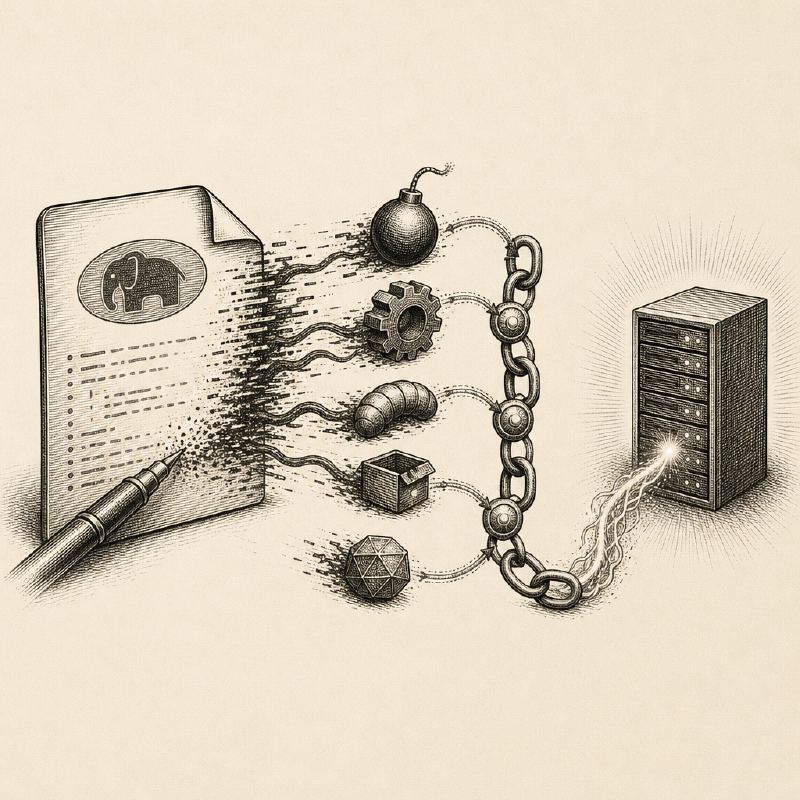
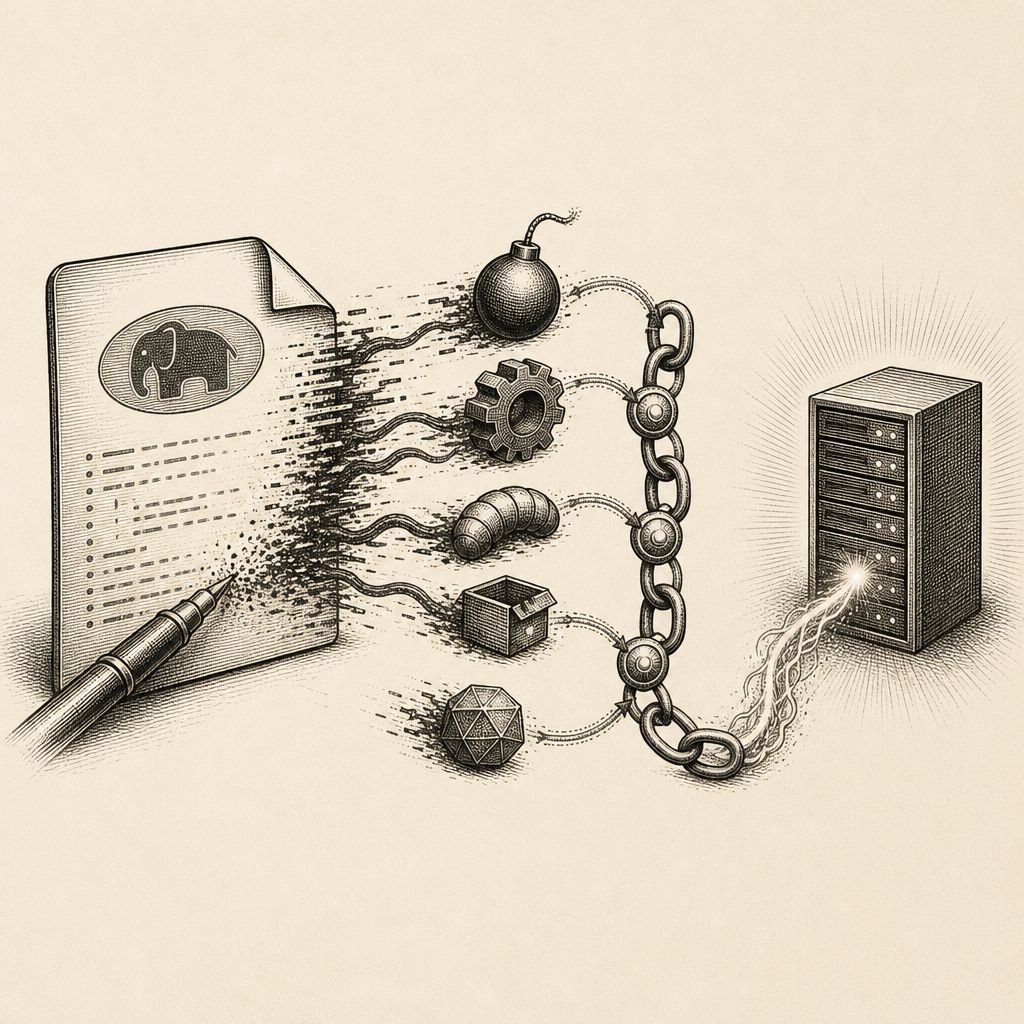
A newly disclosed vulnerability, identified as CVE-2026-126714 and nicknamed phpAfterShell, poses a significant risk to applications relying on PHP's default file-based session storage. The vulnerability allows attackers to manipulate session data by interrupting the session write process at a critical moment. This interruption enables the injection of attacker-chosen objects into the session file.
When these injected objects are combined with a suitable gadget chain present within the target application, the vulnerability can be escalated to achieve remote code execution (RCE) on the server. A gadget chain is a sequence of code snippets within a program that, when linked together, can perform malicious actions, often leading to code execution.
The exploitation requires a specific timing attack to interrupt the session write operation. Once the malicious objects are successfully injected, the application's deserialization process, if it encounters the gadget chain, will execute the attacker's chosen code. This makes the vulnerability particularly dangerous as it can lead to a full compromise of the affected server.
While the vulnerability itself lies within PHP's core session handling, its exploitability is contingent on the presence of other weaknesses, such as vulnerable libraries or insecure coding practices within the web application. This dependency means that not all PHP applications are equally at risk, but those that are could face severe consequences.
Fortunately, the PHP development team has addressed this issue. Recent releases of PHP include patches that mitigate the phpAfterShell vulnerability. Users and administrators are strongly advised to update their PHP installations to the latest available versions to protect against potential exploitation.
Security researchers have highlighted the importance of this vulnerability, emphasizing the need for developers to be aware of how session data can be manipulated. The discovery of phpAfterShell underscores the ongoing challenges in securing web applications and the critical role of timely patching and secure coding practices.
This vulnerability serves as a reminder that even seemingly benign components like session storage can become vectors for sophisticated attacks. By understanding the mechanics of such flaws, developers can better implement defenses and secure their applications against evolving threats.