
PHP2Shell Vulnerabilities Highlight Need for Robust Cyber-Readiness
Two critical vulnerabilities in PHP, dubbed PHP2Shell, have been disclosed, underscoring the urgent need for organizations to bolster their cyber-readiness plans.

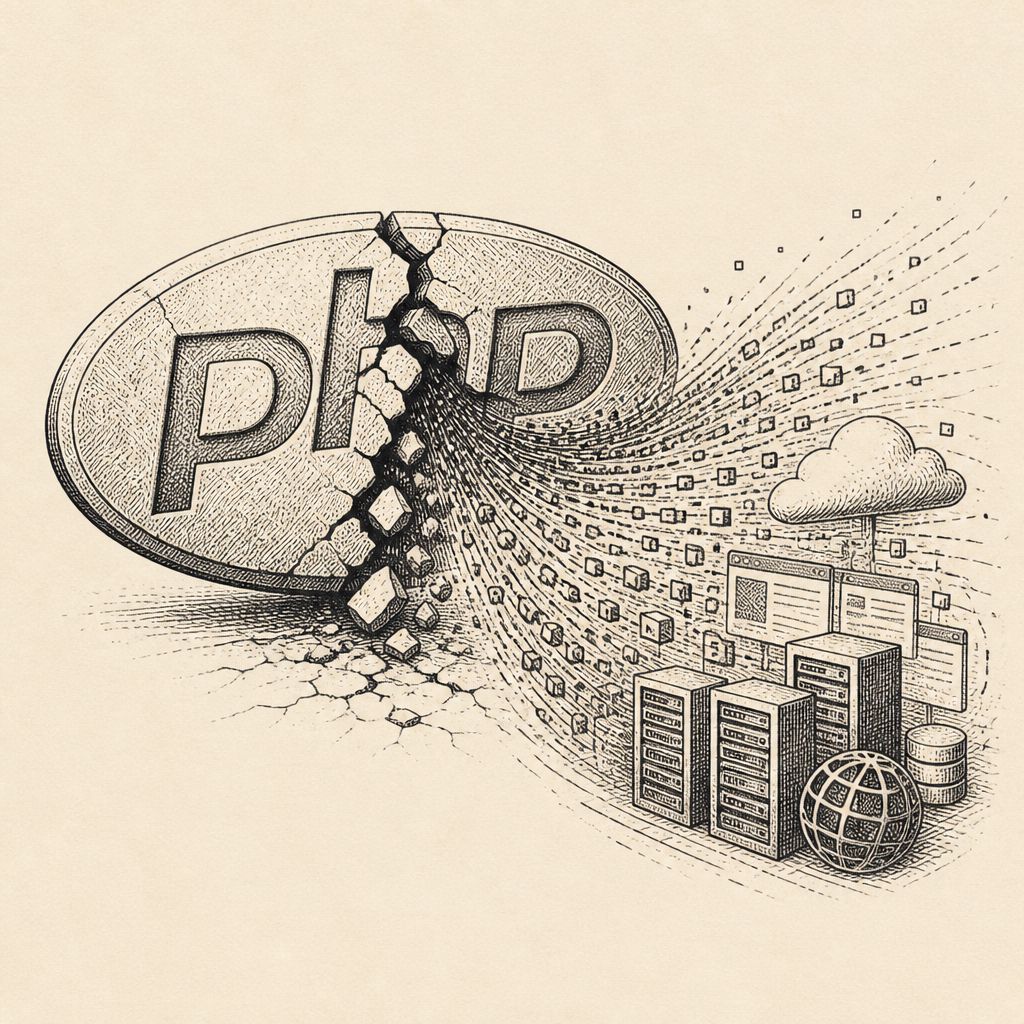
October 2026 has seen the cybersecurity landscape significantly impacted by the disclosure of two critical vulnerabilities affecting PHP, a server-side scripting language that powers a substantial majority of the world's websites. These flaws, collectively referred to as PHP2Shell, expose a critical need for organizations to reassess and strengthen their cyber-readiness strategies.
The PHP2Shell vulnerabilities represent a serious threat due to the widespread adoption of PHP. Attackers exploiting these flaws could potentially gain unauthorized access to systems, execute arbitrary code, and compromise sensitive data. The disclosure serves as a stark reminder that even foundational web technologies can harbor critical security gaps that require immediate attention.
Beyond the PHP2Shell disclosure, the month of October has been marked by a series of other significant security incidents. These include a sophisticated cyberattack that disrupted refrigeration systems at hundreds of French supermarkets, potentially leading to widespread spoilage of goods. The attackers reportedly manipulated temperatures to as high as 50 degrees Celsius, demonstrating a concerning capability to impact critical infrastructure.
Another major incident involved a data breach at Denmark's Central Population Register (CPR), which exposed the personal information of millions of individuals. The breach was reportedly facilitated through a third-party provider's account, secured with a weak password, highlighting the persistent risks associated with supply chain vulnerabilities and poor credential management.
Furthermore, the ongoing threat of mobile malware was underscored by the discovery of malicious software preinstalled on thousands of low-cost Android phones. This malware is capable of generating fraudulent ad revenue and could potentially be leveraged to enlist infected devices into larger botnets, posing a threat to both users and the broader digital ecosystem.
These diverse incidents collectively emphasize the multifaceted nature of modern cyber threats. From critical software vulnerabilities to supply chain weaknesses and mobile malware, organizations face a complex and evolving threat landscape. The common thread running through these events is the critical importance of proactive security measures and well-defined cyber-readiness plans.
Organizations must move beyond reactive security postures and invest in comprehensive strategies that include regular vulnerability assessments, robust access controls, employee training, and incident response planning. The PHP2Shell disclosure, alongside other October incidents, serves as a potent call to action for businesses to prioritize and enhance their defenses against an ever-present array of cyber risks.