
Phishing Sites Mimic Rental Platforms with Live Chat to Deceive Travelers
Cybercriminals are deploying sophisticated phishing sites that impersonate popular holiday rental platforms, using realistic listings and live chat support to trick travelers into revealing sensitive personal and financial information.
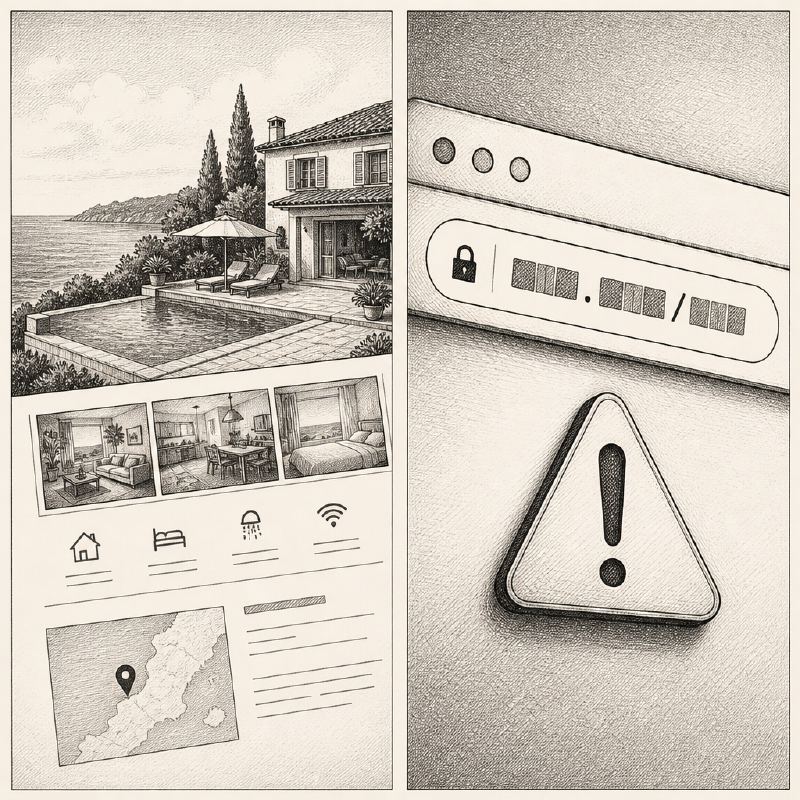
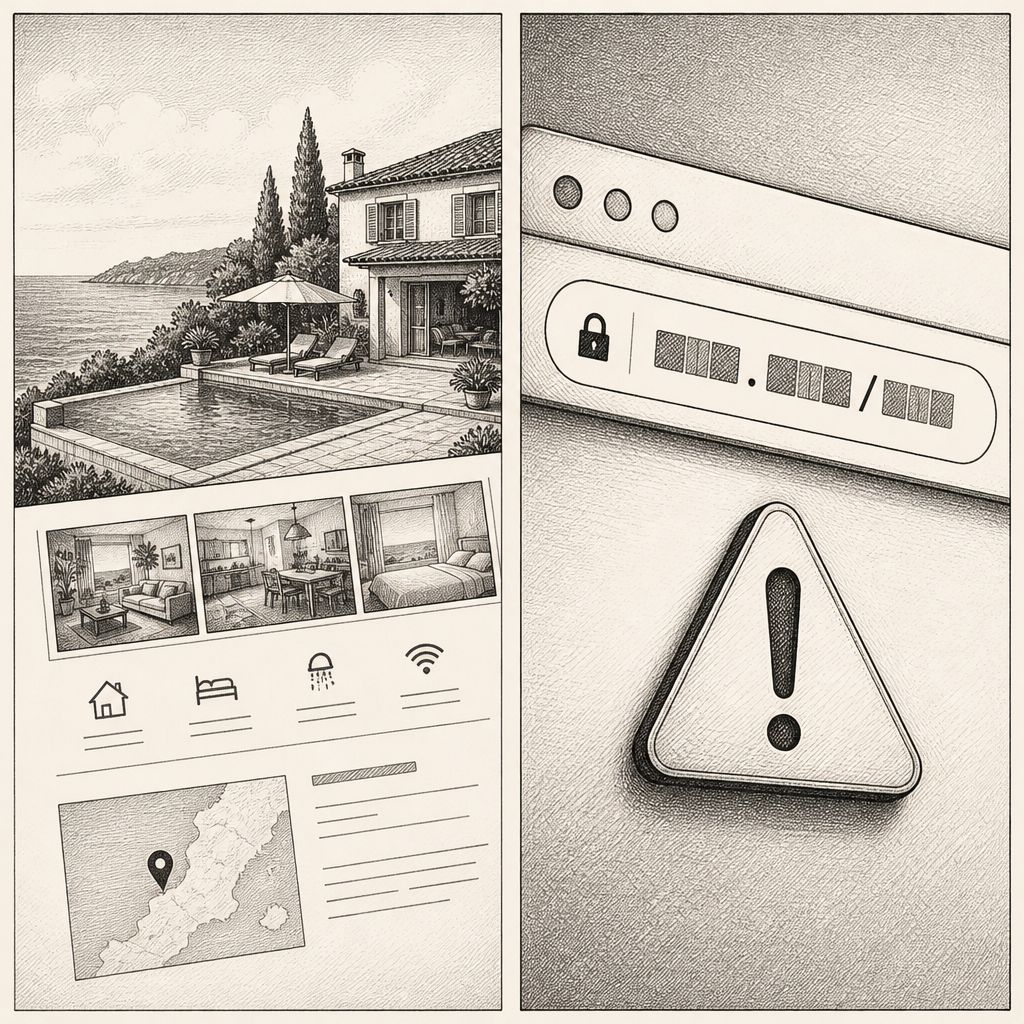
Travelers seeking accommodation for their holidays are increasingly falling victim to elaborate phishing schemes that replicate legitimate rental platforms with alarming accuracy. These fake websites feature copied property listings, host names, ratings, and reviews, all designed to build trust before demanding sensitive data such as passwords, personal details, and credit card numbers.
The timing of these attacks is deliberately strategic, as cybercriminals understand that travelers are more prone to hasty decisions as their trip dates approach. The fake sites exploit the inherent urgency associated with travel bookings—high prices, tight deadlines, and limited availability—by presenting urgent messages. Visitors might be told their reservation is unconfirmed, their payment has failed, or their booking is at risk of cancellation, thereby pressuring them to act quickly without scrutinizing the website's legitimacy.
One observed phishing campaign mimicked a well-known global lodging platform, using a lookalike domain and brand imagery. The sign-up prompts requested contact details and social media credentials, which could be used for account takeovers or identity theft if users reuse passwords across different services. Security experts caution against entering credentials on unsolicited links, even if the page appears authentic with familiar logos and buttons.
Attackers meticulously copy photos and descriptions from genuine properties, making it difficult to distinguish fake listings from real ones based on appearance alone. The polished nature of these fake listings is intended to lull users into a false sense of security, diverting their attention from the legitimacy of the booking platform itself. This tactic preys on the common traveler's focus on price, availability, and aesthetics over website verification.
In some instances, the booking process on these fake sites leads to a "confirm and pay" screen that labels the reservation as "Unconfirmed." Users are then prompted to complete a mandatory verification process, often presented as a no-cost step. This stage is where attackers collect crucial personal information, including names, email addresses, countries, and phone numbers, which can be leveraged for identity theft or further malicious activities.
A particularly insidious tactic involves integrating a live support chat feature alongside the payment form. This chat function actively engages with visitors, addressing their concerns and framing the request for credit card details as a standard security measure. By offering reassurance that the card won't be charged immediately, attackers aim to reduce hesitation and encourage the submission of payment information, further eroding the victim's defenses.
Security researchers emphasize that the most effective defense against such scams is to pause and verify. While property listings can be convincingly copied, the official website address is significantly harder for scammers to perfectly imitate. Travelers are advised to always double-check the URL and, if in doubt, navigate directly to the official website through a trusted source rather than clicking on unsolicited links.