
Phishing Campaigns Evolve to Target AI Service Users
Threat actors are now specifically targeting users of popular AI services like ChatGPT with phishing campaigns designed to steal payment information.
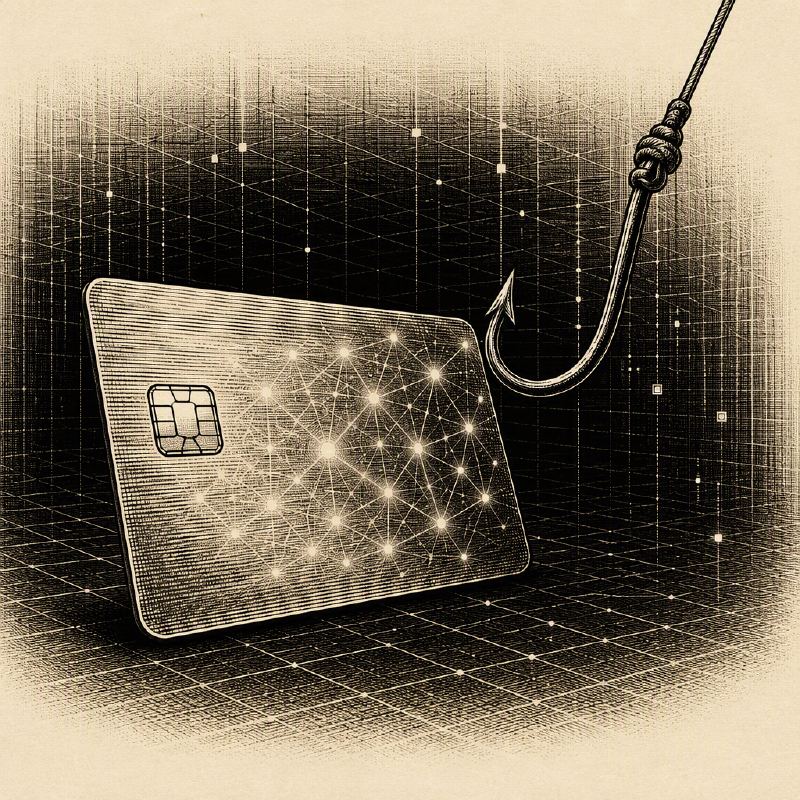
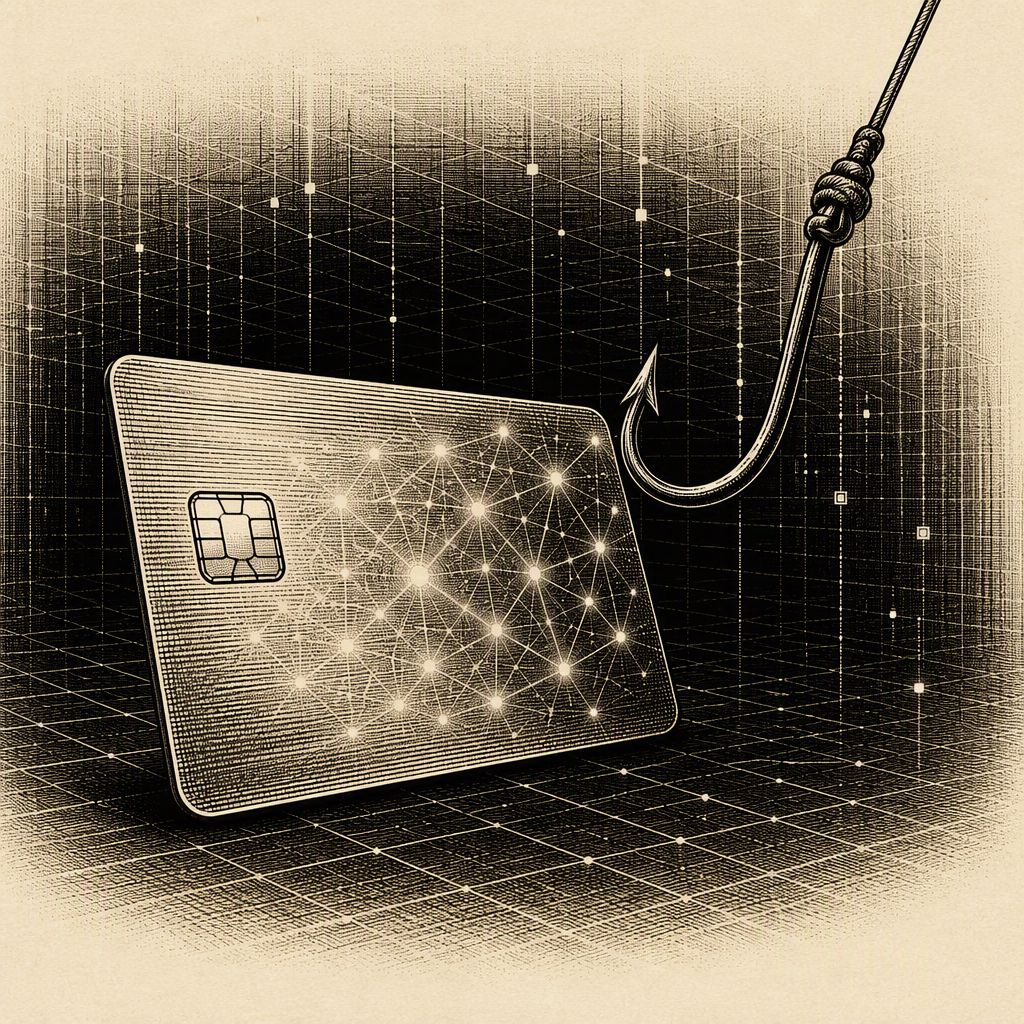
Phishing campaigns have long preyed on user fears of losing access to critical services or data. A recent trend observed by the SANS Internet Storm Center indicates that threat actors are now specifically targeting users of artificial intelligence services, such as ChatGPT. These campaigns are crafted to exploit the growing reliance on these powerful tools by both individuals and businesses.
The attackers are employing well-designed phishing emails that are strategically timed to coincide with monthly billing cycles. This timing is crucial, as it aligns with when users might be more attentive to their subscription payments and financial details. The emails aim to create a sense of urgency or fear, prompting recipients to click malicious links or provide sensitive information.
One observed phishing email, detailed by Xavier Mertens of the SANS Internet Storm Center, was "properly designed" and sent at the "end of the month when your classic billing process is restarted." The primary objective of these attacks is to capture payment details, effectively hijacking users' financial information associated with their AI service subscriptions.
The effectiveness of this tactic is amplified by the widespread adoption of AI tools. Services like ChatGPT have become integral to many workflows, research endeavors, and even personal productivity. The fear of losing access to such a valuable resource can be a powerful motivator for users to act without proper scrutiny.
This evolution in phishing tactics highlights the adaptability of cybercriminals. As new technologies gain prominence, threat actors quickly identify new vectors and psychological triggers to exploit. The targeting of AI service users represents a significant shift, moving beyond traditional financial or social media platforms to exploit the burgeoning AI ecosystem.
Organizations and individuals relying on AI services are advised to remain vigilant. Implementing robust security practices, such as scrutinizing email communications, verifying sender addresses, and never sharing payment details through unsolicited requests, is paramount. Additionally, enabling multi-factor authentication on AI service accounts, where available, can provide an extra layer of defense against account compromise.
The trend underscores the need for continuous education and awareness regarding emerging cybersecurity threats. As AI continues to integrate into daily life and business operations, the associated security risks will also evolve, requiring a proactive approach from both users and security providers to mitigate potential harm.