
Philippine Government Agency Breached, Exposing Migrant Worker Data
An unknown threat actor exfiltrated 69GB of sensitive data from the Philippine Overseas Employment Administration, potentially exposing personal information of migrant workers.
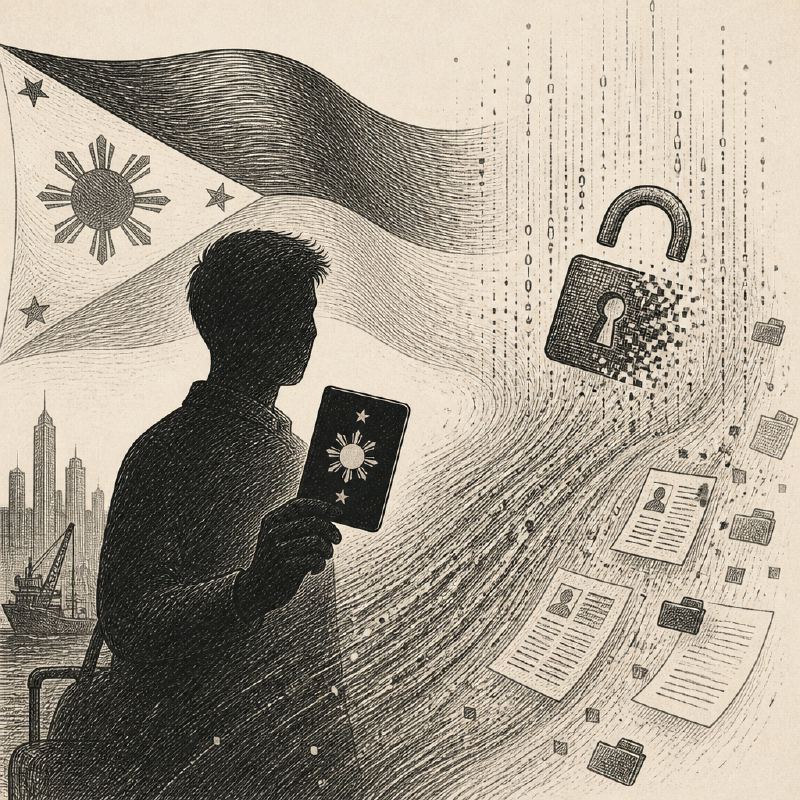
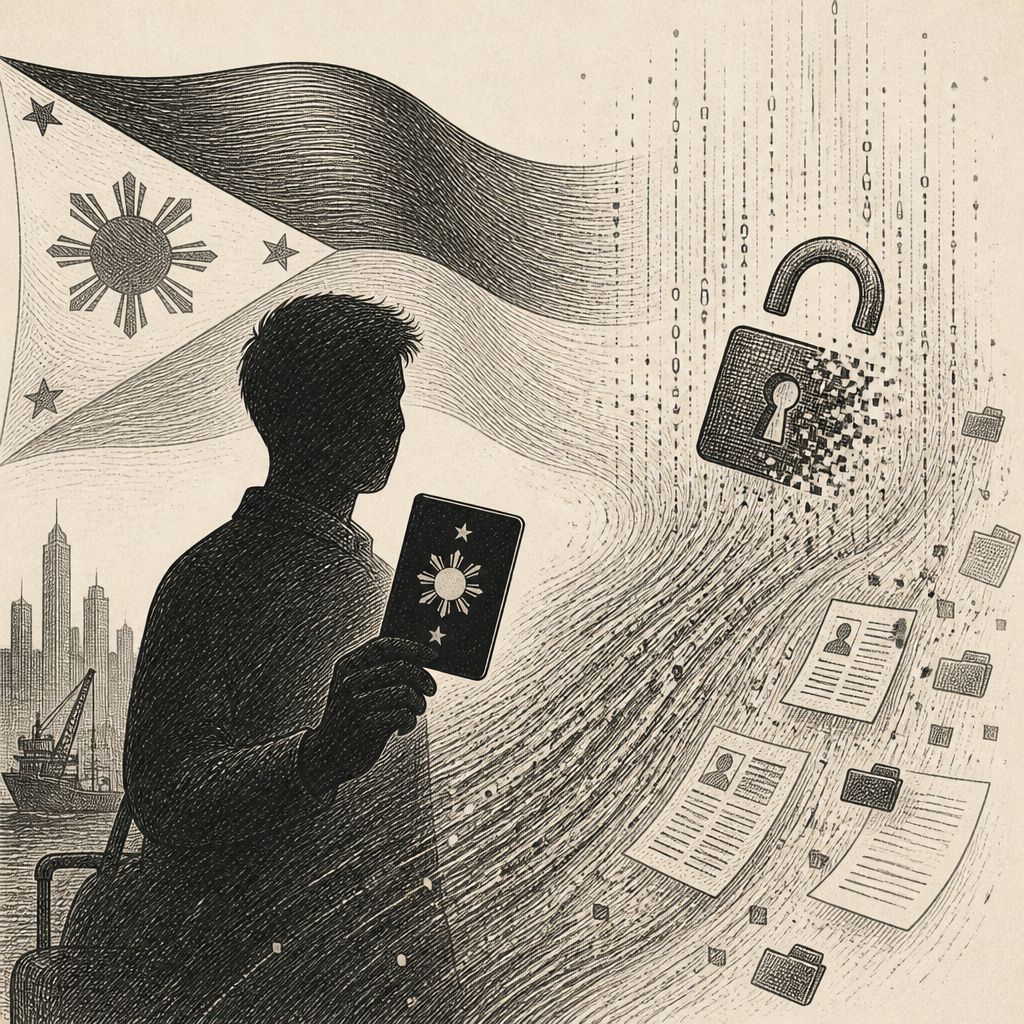
An unknown threat actor successfully breached the Philippine Overseas Employment Administration (POEA), exfiltrating approximately 69GB of sensitive data. The breach, which occurred over a period of just 24 minutes, involved the copying of 27 backup databases containing information on overseas employment case management, accreditation, contracts, and financial records.
Analysis of logs found on a Singaporean staging server, believed to have been used by the attackers, revealed the use of privileged escalation tools such as GodPotato and SeImpersonate, alongside the Impacket network library for Python to facilitate the data movement. While the trail of the attack stops at this staging server, researchers from Hunt.io, who analyzed the incident, noted that the data was copied out of the agency's control, confirming it as a significant breach.
The exfiltrated data is highly sensitive, encompassing personally identifiable information (PII) of migrant workers, alongside contract and payment details. This type of information holds considerable value for fraudulent activities, including identity theft. Furthermore, the data could serve as a detailed map of a diaspora population, making it potentially valuable to state actors interested in intelligence gathering.
While the specific vector of initial compromise remains unknown, the tools and methods employed suggest an operator with a degree of technical proficiency. However, the attacker exhibited poor operational security by leaving the staging server and its logs exposed. This indicates a level of competence in payload engineering but a carelessness in maintaining the secrecy of their own infrastructure, leading researchers to categorize the operator as neither top-tier nor amateur.
This incident is not the first time Philippine government data has been targeted. In August, Hunt.io discovered another threat actor's workspace containing tools and data stolen from a Philippine nuclear regulatory agency and a maritime shipbuilding contractor. The current breach's attribution remains unclear, as while some Chinese language fragments were found in a third-party software library, they were not directly linked to the attacker's actions.
Hunt.io has notified CERT Philippines (CERT-PH) and the Department of Migrant Workers (DMW) about the breach. As of the analysis, the stolen backups have not surfaced for sale on the dark web, but their ultimate destination and use remain uncertain. The incident underscores the need for governments in the region to rigorously scan their networks, secure their attack surfaces, and manage privileged access to prevent similar compromises.
The POEA portal itself was found to have exposed risky ports, including SMB on 445 and WinRM on 5985 and 47001, which could have facilitated lateral movement or further exploitation if an attacker gained initial access. The full impact of the breach will depend on the identity of the threat actor and their intentions for the stolen data.