
Pegasus Spyware Targets Serbian Critics Amidst Election Tensions
Researchers confirm Pegasus spyware infections on prominent Serbian critics, including a university rector and a prosecutor, utilizing zero-click exploits as elections approach.
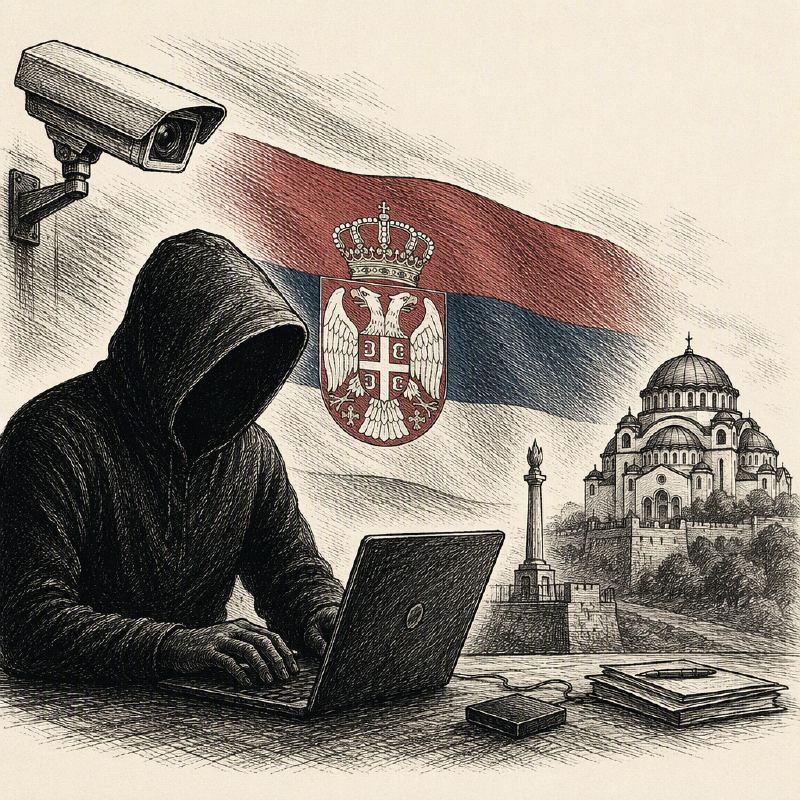
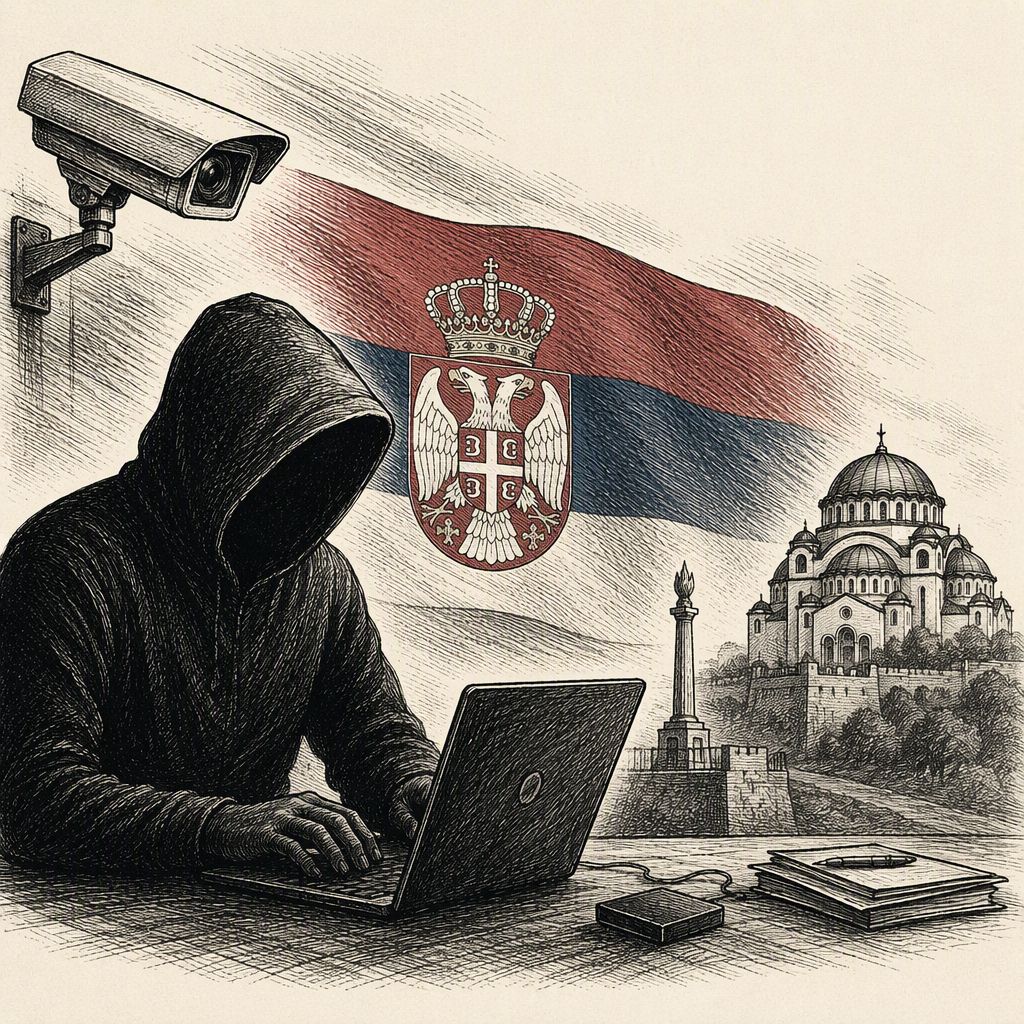
Researchers have confirmed infections of the sophisticated Pegasus spyware on the devices of prominent Serbian critics, including Vladan Ðokić, the rector of the University of Belgrade, and Rade Bajić, a lawyer with the Serbian Public Prosecutor’s Office for Organized Crime. These findings, announced by the SHARE Foundation and The Citizen Lab, follow a significant wave of spyware surveillance previously documented in Serbia.
Ðokić, a vocal supporter of anti-corruption protests and a figure often targeted by pro-government media, had his devices compromised using a zero-click exploit, meaning no user interaction was required for the infection. This incident marks the second confirmed Pegasus infection in Serbia this year, according to SHARE Foundation researcher Andrijana Ristić. The infection was confirmed by The Citizen Lab, which noted the high confidence in its findings.
Bajić, who was involved in prosecuting a high-profile corruption case against Serbian government officials, believes his work made him a target. He has been publicly denounced by Serbian President Aleksandar Vučić. While Bajić received a threat notification from Apple, the exact type of spyware affecting his device is still under investigation by SHARE and Citizen Lab.
The SHARE Foundation described the current situation as part of a long-standing pattern of surveillance in Serbia, which has previously seen the use of tools like FinFisher and alleged dealings with the Hacking Team. A 2024 report by Amnesty International also identified journalists, activists, and civil society members as targets of the NoviSpy Android spyware.
John Scott-Railton, a senior researcher at The Citizen Lab, criticized NSO Group, the maker of Pegasus, stating that the spyware is a "technology for repression" and that its use against those advocating for freedom and against corruption is not accidental.
These revelations come just ahead of Serbia's parliamentary elections on October 25th, where President Vučić is seeking to maintain control amidst growing public discontent fueled by corruption allegations and large-scale protests. The use of advanced spyware against critics highlights the intense political climate and concerns over state-sponsored cyber-espionage.
The zero-click nature of the Pegasus exploit underscores the advanced capabilities employed by sophisticated threat actors, making detection and prevention increasingly challenging for targeted individuals. The ongoing investigations into these incidents are crucial for understanding the full scope of surveillance operations in Serbia and holding perpetrators accountable.