
PEERSTITCH Malware Targets FortiGate Firewalls via CVE-2024-47575
Unit 42 researchers have identified PEERSTITCH, a new memory-resident malware exploiting CVE-2024-47575 to compromise over 500 FortiGate firewall devices.
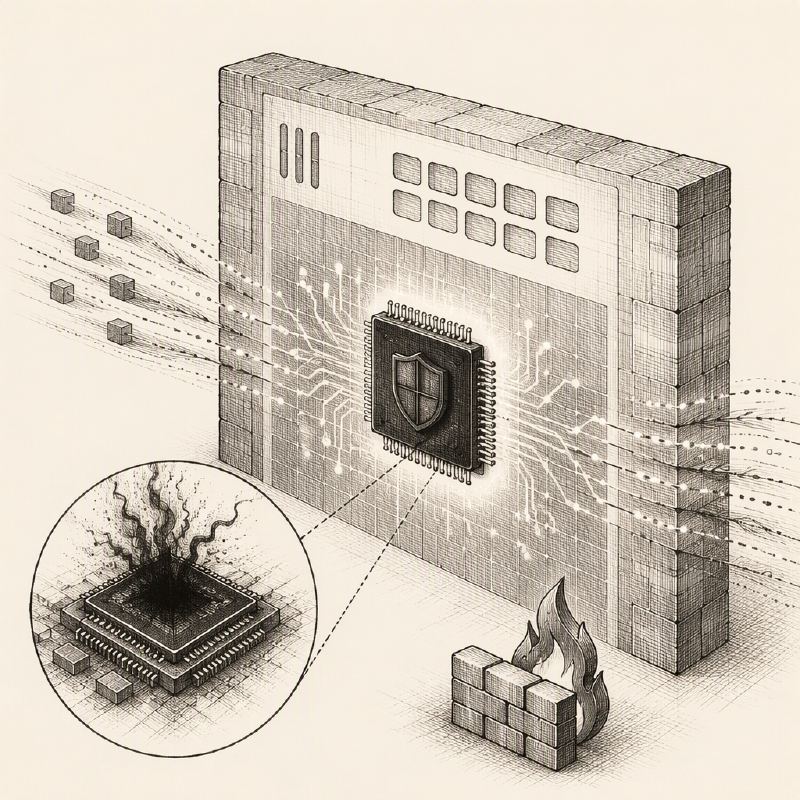
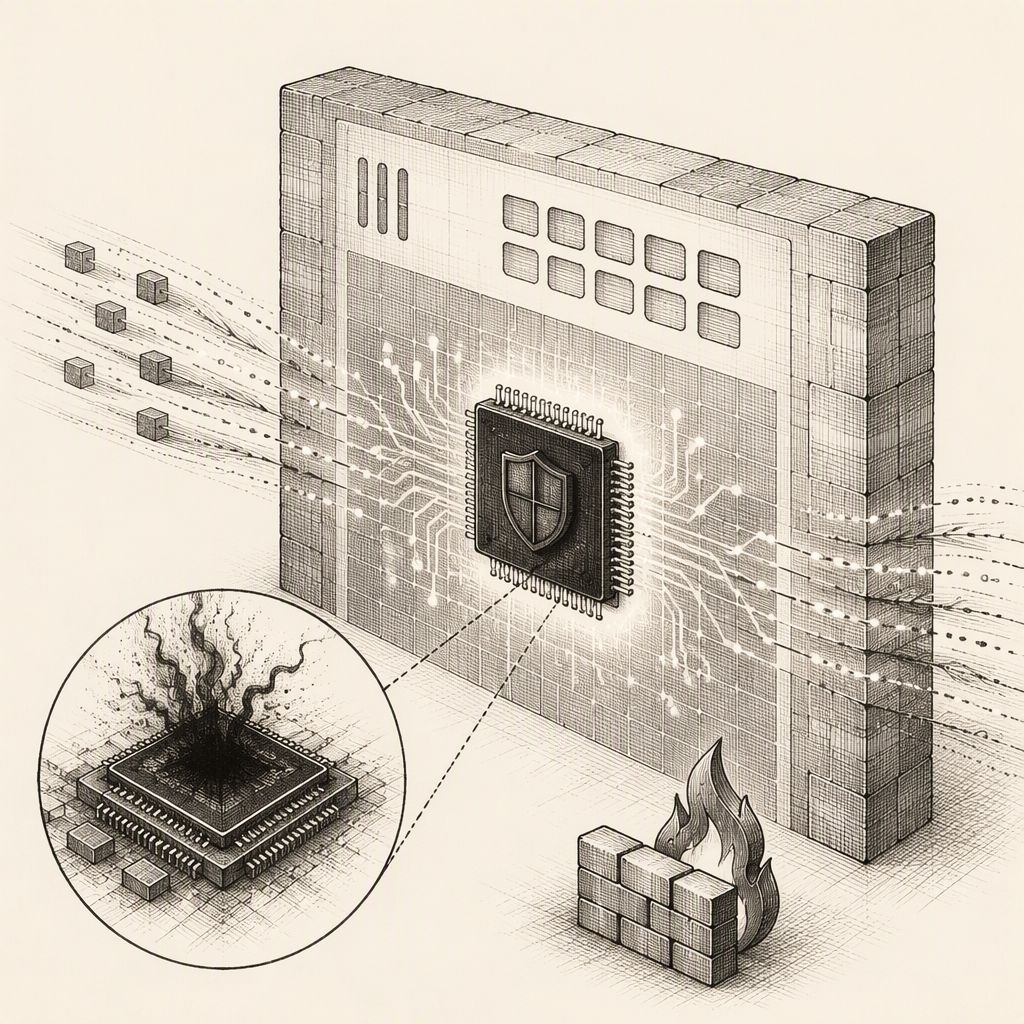
Palo Alto Networks' Unit 42 threat research team has uncovered a sophisticated and stealthy piece of malware named PEERSTITCH, which has been actively targeting FortiGate firewalls. The attackers leveraged a critical vulnerability, identified as CVE-2024-47575, to gain initial access and deploy the implant on more than 500 devices. This discovery highlights the persistent threats facing network infrastructure devices and the advanced techniques employed by threat actors.
The PEERSTITCH malware is designed to be memory-resident, meaning it operates primarily in the system's RAM rather than writing extensively to disk. This characteristic makes it significantly harder for traditional antivirus and endpoint detection and response (EDR) solutions to detect and remove, as it leaves fewer forensic artifacts. The malware specifically targets ARM64 architecture, which is common in many modern network appliances, including FortiGate firewalls.
Attackers exploited CVE-2024-47575, a vulnerability that allowed them to execute arbitrary commands on the affected FortiGate devices. Once inside, they deployed the PEERSTITCH implant. The exact capabilities of the implant are still under investigation, but its stealthy nature suggests it is used for persistent access, reconnaissance, or as a stepping stone for further malicious activities within a compromised network.
The scale of the compromise, affecting over 500 devices, indicates a targeted campaign rather than a widespread, opportunistic attack. This suggests that the threat actors may have specific objectives, such as espionage, data exfiltration, or disruption, targeting organizations that rely on FortiGate firewalls for their network security.
Fortinet has acknowledged the vulnerability and released security advisories and patches. Organizations using affected FortiGate devices are strongly urged to update their firmware immediately to mitigate the risk of exploitation. The company's advisory provides specific version information and recommended actions for customers.
This incident underscores the critical importance of timely patching and vulnerability management for network infrastructure. Firewalls and other edge devices are prime targets for attackers seeking to establish a foothold within an organization's network, and their compromise can have far-reaching consequences.
Unit 42 continues to monitor the situation and analyze the PEERSTITCH malware to better understand its full capabilities and the extent of its deployment. Further details regarding the threat actor behind this campaign and their ultimate goals are expected as the investigation progresses. The research team advises organizations to implement robust security practices, including regular security audits and network monitoring, to detect and respond to such advanced threats.
The discovery of PEERSTITCH serves as a stark reminder that even critical security appliances can be vulnerable. The combination of a zero-day or recently disclosed vulnerability and a stealthy, memory-resident implant presents a formidable challenge for defenders, emphasizing the need for advanced threat detection capabilities and proactive security measures.