
Outage or Attack? Navigating the Noise of Tech Disruptions
Recent widespread IT outages have fueled social media speculation, blurring the lines between technical failures and malicious cyberattacks.
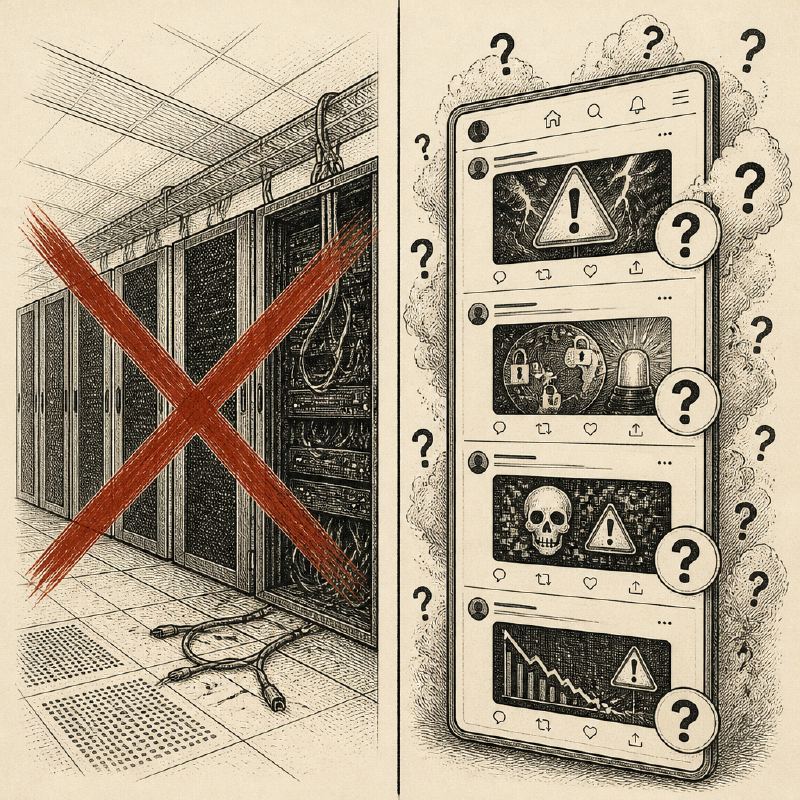
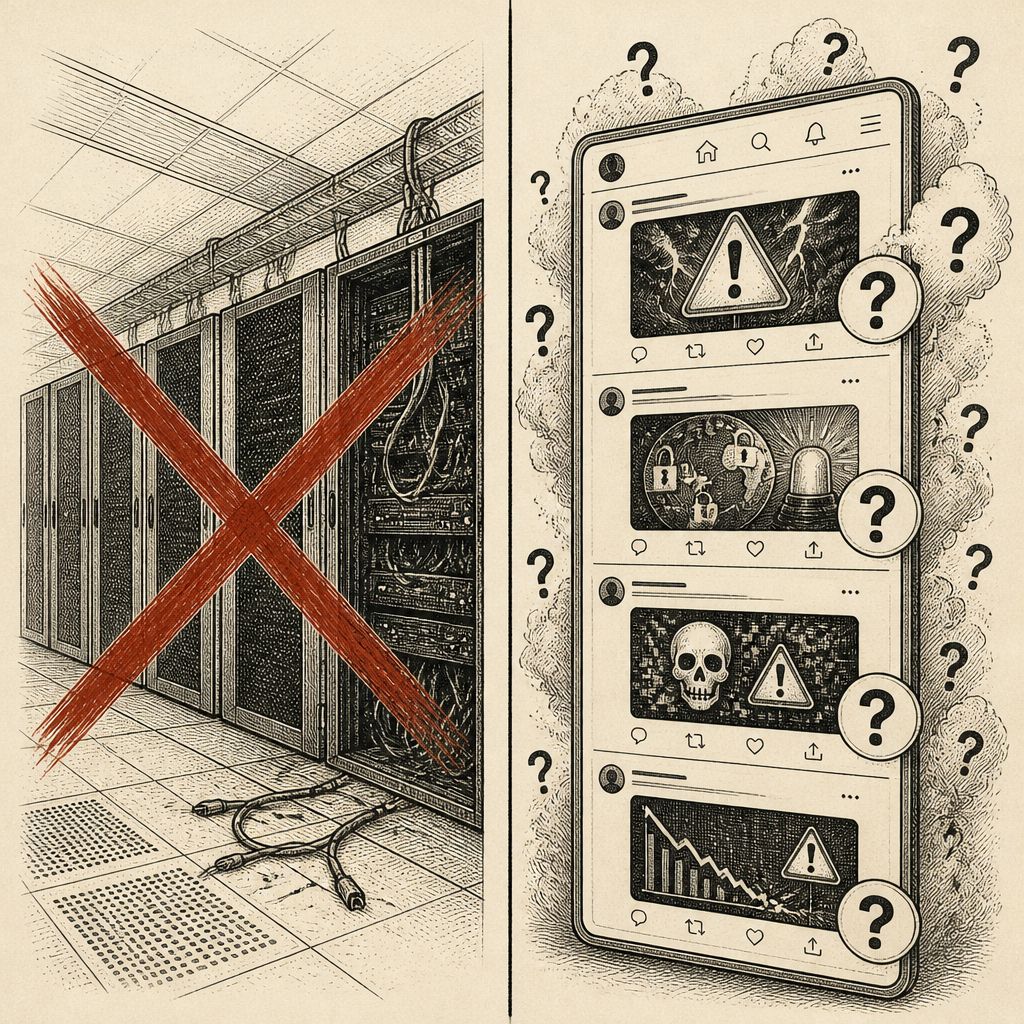
Recent weeks have seen a flurry of significant technology disruptions, from a Microsoft 365 outage to an FAA ground stop, leading to widespread user inconvenience and a surge of speculation online. This environment, amplified by social media algorithms, often conflates routine technical failures with sophisticated cyberattacks, creating a narrative of impending disaster that is not always grounded in fact. The challenge lies in distinguishing between genuine system failures, which can be highly disruptive on their own, and malicious cyber activity, as both can result in similar user-facing issues like error messages and service unavailability.
Several high-profile incidents illustrate this confusion. A Microsoft 365 outage was attributed to a latent software defect in networking gateways, impacting productivity for numerous organizations. Concurrently, the FAA experienced a nationwide ground stop due to a telecommunications failure affecting air traffic control communications, leading to thousands of flight cancellations. JPMorgan Chase also faced transaction processing delays caused by a software bug in an on-premises hardware system. These events, while disruptive, were not the result of malicious attacks but rather internal technical issues.
Adding to the complexity, the article highlights the Optimizely Web Experimentation supply-chain attack, where malicious code was served on numerous websites, potentially exposing visitors to malware. This incident, though an actual attack, was rapidly contained. The distinction between an outage caused by a bug and one caused by an attack is crucial, but the severity of disruption is not solely determined by the cause. A simple equipment failure can have cascading effects, just as a targeted attack might not result in a spectacular, visible outage.
Social media platforms often exacerbate the situation by rapidly spreading unverified claims and conspiracy theories. The article points to the example of widespread speculation about a 90-day nationwide blackout in the US, which was fueled by misinterpretations of a routine emergency alert test and conflated with unrelated outages. This phenomenon demonstrates how genuine events can be woven into a larger, unsubstantiated narrative, creating unnecessary panic among the public.
Artificial intelligence plays a dual role in this evolving landscape. AI is accelerating the discovery of vulnerabilities by both software vendors and attackers. While this leads to more frequent and comprehensive patch releases from major tech companies, it also equips threat actors with new tools to exploit those same weaknesses. The rapid pace of AI development means the cybersecurity balance is constantly shifting, placing increased pressure on security teams and consumers to stay ahead of emerging threats.
Navigating these events requires a critical approach. Users and organizations should strive to understand the specific causes and consequences of each disruption independently, rather than assuming a connection or malicious intent. While vigilance against cyberattacks is essential, it should not overshadow the reality that complex technological systems are prone to failures that can be just as impactful.
Ultimately, companies involved in outages have a responsibility to provide clear and timely explanations of what happened, what is being investigated, and what steps users should take. This transparency is vital in combating misinformation and restoring trust. By separating fact from speculation, individuals and organizations can better assess risks and respond appropriately to both technical failures and genuine cyber threats.
The article concludes by emphasizing that while AI is a powerful tool that can be used for both defense and offense, its application in cybersecurity is still maturing. The focus should remain on robust security practices, clear communication, and a discerning approach to information, especially when faced with widespread technological disruptions.