
Orca Security Expands AI Security to Detect Shadow AI Apps and Autonomous Agents
Orca Security enhances its AI Security offering to discover and secure AI-generated applications and autonomous agents, addressing blind spots created by widespread AI tool adoption.
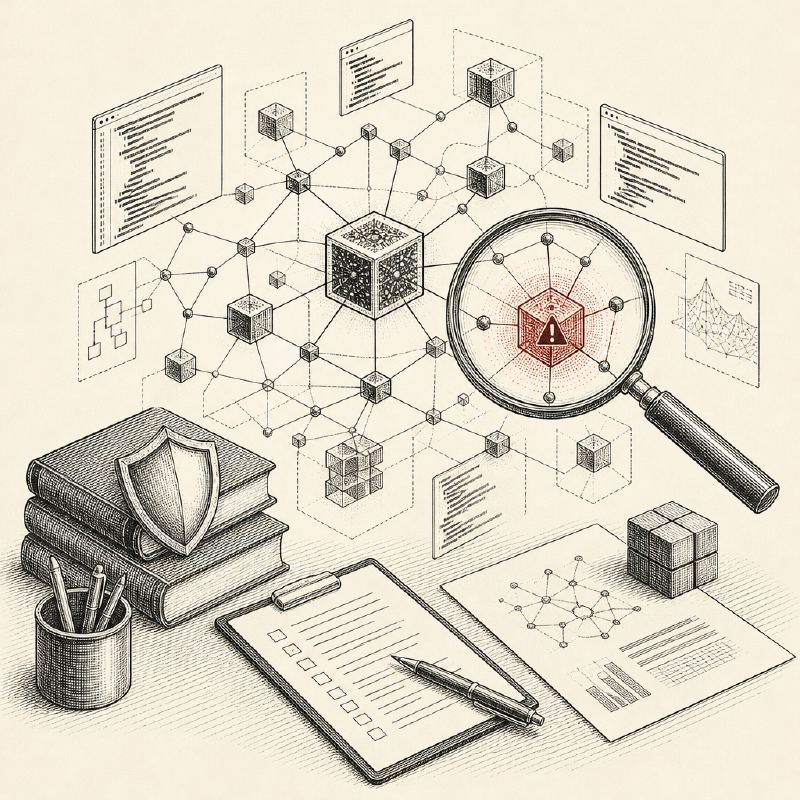
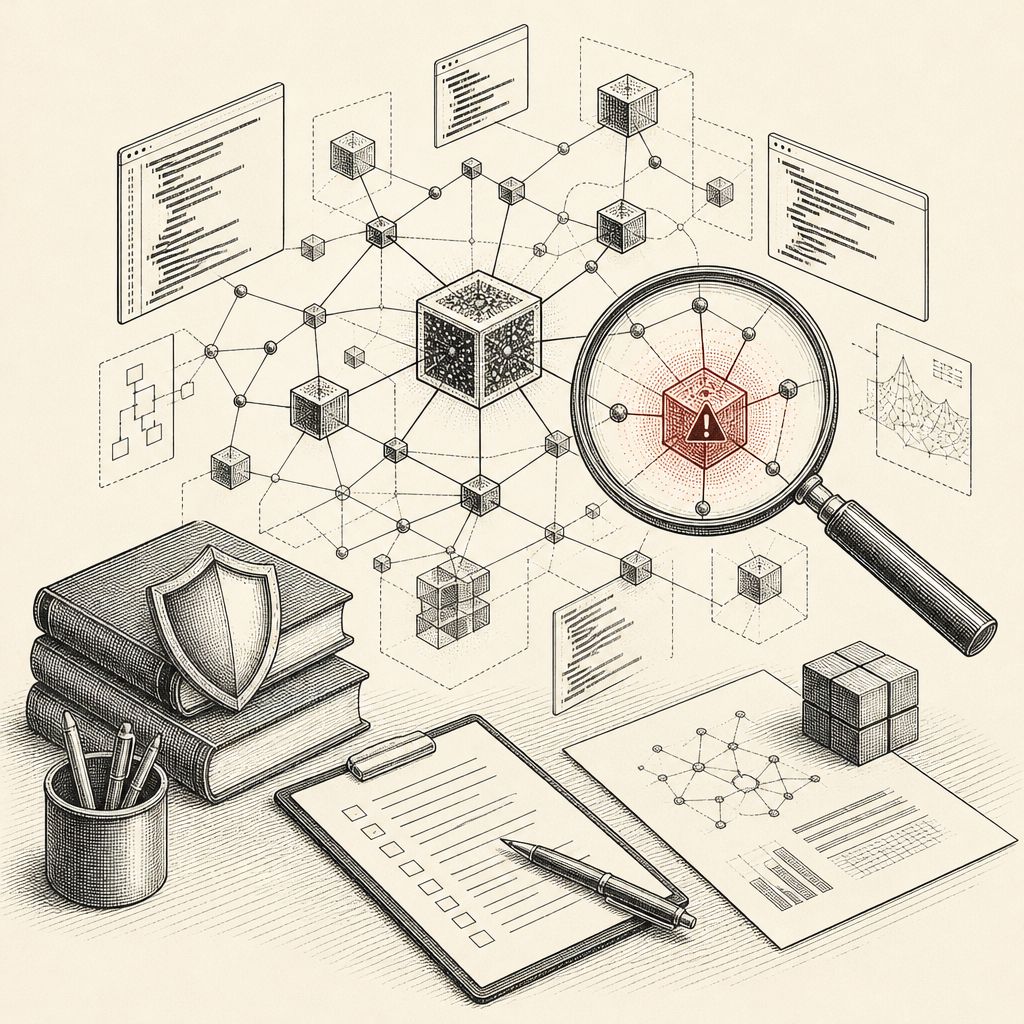
Orca Security has introduced new features to its AI Security platform, enabling organizations to identify and secure AI-generated applications and autonomous agents operating within their cloud environments. This expansion aims to provide security teams with much-needed visibility into the rapidly growing landscape of AI development, which often occurs outside traditional security oversight.
The proliferation of AI tools has fundamentally altered software development, with employees across various departments leveraging AI to build applications and developers increasingly relying on autonomous agents for coding and task execution. However, these AI-driven creations frequently bypass conventional security processes, creating significant blind spots for security teams. Orca Security's CEO, Gil Geron, highlighted this challenge, stating, "AI has turned everyone into a builder, but security teams are often the last to know what’s been created." The company's updated offering seeks to provide context and control over this evolving ecosystem.
Orca's enhanced capabilities address the challenge of "shadow AI" applications, which are developed using platforms like Lovable, Replit, and Bolt outside of standard engineering workflows. Traditional discovery methods often fail because they rely on knowing which platforms to monitor. Orca's approach uses its patented agentless SideScanning technology to detect digital fingerprints left by AI application builders across cloud infrastructure, DNS records, workloads, code repositories, and cloud identities. By connecting these signals, Orca can uncover previously unknown AI services without requiring additional agents or integrations.
Key new features include the ability to discover shadow AI applications through service fingerprints, correlating these services with cloud identities and permissions to assess potential access to sensitive company data. Findings are presented through a dedicated dashboard and asset-level details, offering evidence for each discovery. Orca is also extending its AI AppGen Security support to platforms like Base44, OpenAI, and Vercel, aiming to provide comprehensive coverage across the AI development spectrum.
Beyond AI-generated applications, the platform now addresses the security risks posed by autonomous AI agents. These agents can execute commands, access sensitive information, and interact with enterprise systems using available credentials and permissions, potentially creating pathways to critical data or infrastructure. Orca's expanded capabilities provide visibility into both cloud-managed and self-hosted agents, including coding agents operating on cloud infrastructure.
The platform allows for the automatic discovery and inventory of AI agents, mapping their relationships to AI models, cloud identities, and data stores to understand their potential impact. It also detects and prioritizes agent-specific risks, such as excessive permissions or insecure configurations, integrating these findings into dynamic risk scoring and attack path analysis for actionable remediation guidance.
Furthermore, Orca's offering includes tracking and securing AI-generated code, enabling organizations to attribute code to specific coding agents and AI models. This helps in understanding the proportion of AI-generated code within repositories and identifying which agents and models contribute the most to security vulnerabilities. This comprehensive approach aims to empower organizations to embrace AI innovation while maintaining robust security controls.
IDC Research Director Grace Trinidad commented on the evolving landscape, noting, "Many organizations still struggle to discover what’s been built and where it runs. Now that building is no longer confined to engineering, discovery has to start from what these AI-generated apps leave behind in the environment, not from the builder declaring anything."