
OPTIMJACK Attack Leverages Optimizely Vulnerability for Widespread Website Compromise
A supply chain attack dubbed OPTIMJACK exploited a flaw in Optimizely's platform, injecting malicious JavaScript into at least 178 websites to steal cryptocurrency, skim payment cards, and deliver mobile exploits.
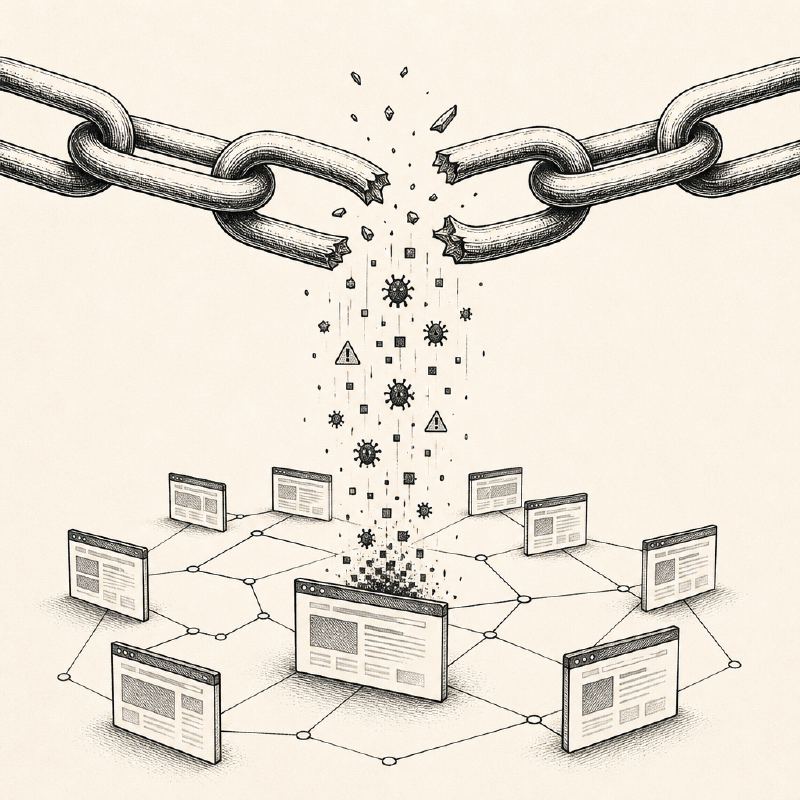
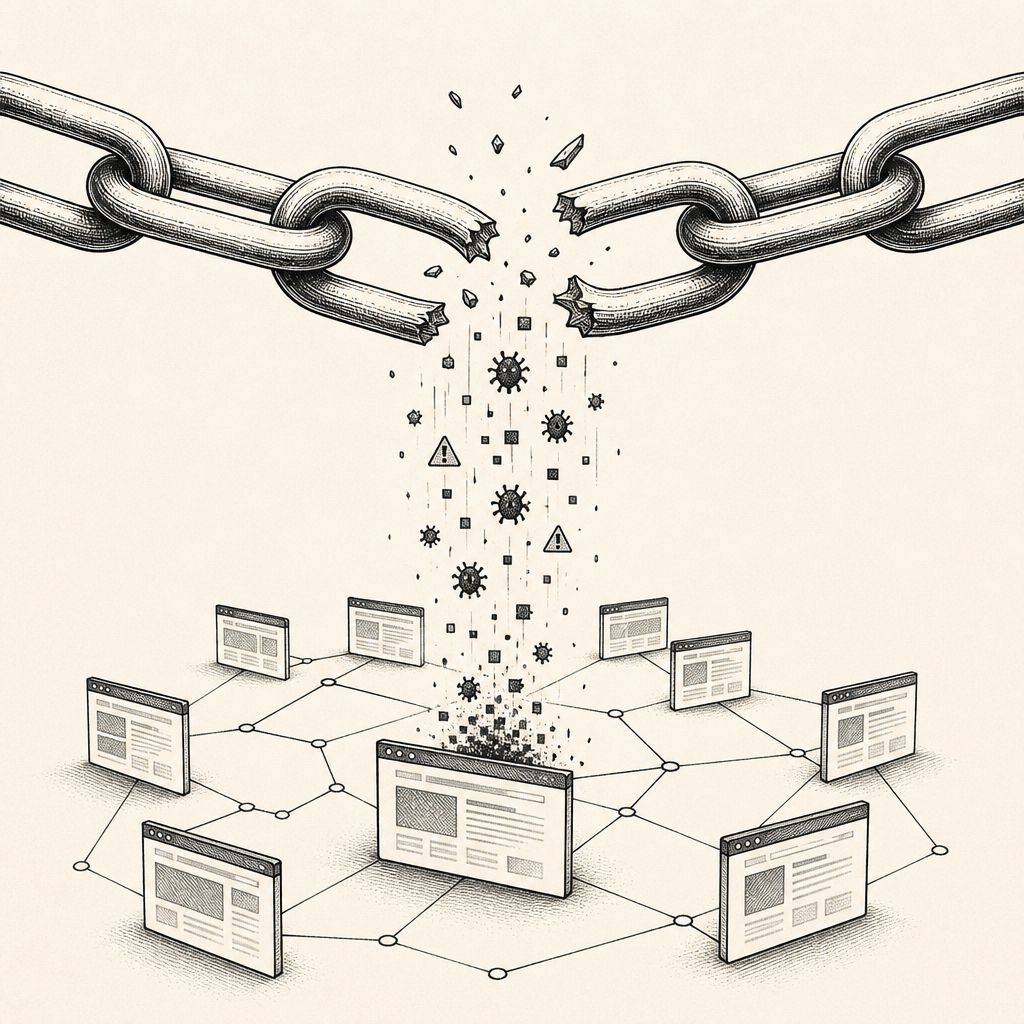
A sophisticated supply chain attack, identified as OPTIMJACK, has compromised the websites of at least 178 organizations by exploiting a vulnerability within Optimizely's Web Experimentation platform. The attackers successfully injected malicious JavaScript code into customer accounts, which was then served to unsuspecting visitors via Optimizely's legitimate content delivery network (CDN) under the vendor's own security certificate. This tactic allowed the malicious code to bypass perimeter defenses and reach a broad audience, including prominent brands in the media, technology, and financial services sectors.
The compromised code, deployed on November 16, 2026, performed a trifecta of malicious activities once loaded in a visitor's browser. Firstly, it engaged in cryptocurrency wallet swapping, replacing legitimate wallet addresses copied by users with the attacker's own. Secondly, it implemented payment card skimming, capturing sensitive credit card details entered into checkout forms. Thirdly, the attack attempted to deliver mobile exploit kits, specifically Coruna and DarkSword, targeting iPhones and iPads. Optimizely has since patched the vulnerability, removed the injected code, and secured affected accounts, but the incident highlights the pervasive risks associated with third-party scripts.
This incident underscores a critical lesson for enterprises: any third-party script with dynamic execution privileges on a website should be treated as integral to the core production code. Defenders are reminded that attackers frequently target third-party applications as the path of least resistance into secure environments. The OPTIMJACK attack demonstrates how a single vulnerability in a trusted vendor's platform can undermine extensive security investments made by individual organizations.
Security researchers emphasize that websites are complex, dynamic assemblies of numerous third-party scripts, analytics tags, and optimization tools. While this diversity enables agility and enhanced user experiences, it also introduces significant vectors for software supply chain attacks. When attackers compromise a trusted vendor upstream, they can effectively bypass the perimeter security measures that the vendor's customers have implemented.
To mitigate such risks, the report strongly advocates for strict network segmentation. The principle is that a compromised vendor script should never have the ability to access sensitive user inputs. Recommended segmentation strategies include removing non-essential tags from critical pages like authentication and checkout, and isolating payment collection processes within hardened, cross-origin iframes. This approach ensures that even if a third-party script is compromised, its potential impact is contained.
Even with Optimizely having addressed the flaw, affected organizations are urged to take immediate action. This includes auditing all project modifications made during the period the malicious code was active, thoroughly checking any code that may have been altered, and treating any payment data entered into checkout forms on affected pages as potentially compromised. Proactive investigation and remediation are crucial to fully recover from such incidents.
The OPTIMJACK attack serves as a stark reminder of the inherent risks in relying on third-party scripts that execute with high privileges. The incident's scale, affecting at least 178 organizations, highlights the interconnectedness of the web and the potential for a single point of failure to cascade across numerous entities. Implementing robust segmentation practices is presented as a fundamental and effective defense against the evolving threat landscape of software supply chain compromises.
Organizations seeking to proactively identify and address potential compromises can leverage services like Unit 42's Compromise Assessment. For immediate assistance with active breaches or suspected incidents, Unit 42's incident response team is available 24/7. Proactive measures, such as retainers and assessments, can also help fortify defenses against future attacks.