
Optimizely Supply Chain Attack Injects Malicious Code into Major Websites
Attackers compromised the Optimizely platform, injecting malicious JavaScript into the websites of 178 organizations, including CNN, BBC, and Zoom, to steal payment data and deliver exploits.
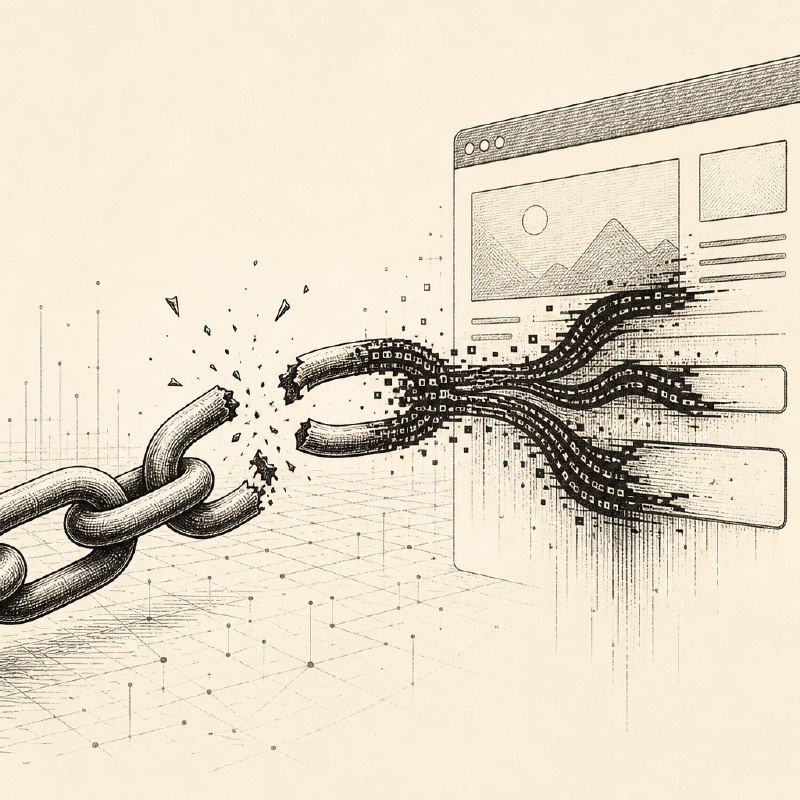

Attackers have successfully compromised the Optimizely platform, a widely used website personalization service, to inject malicious JavaScript into the websites of 178 organizations. The compromised code was capable of redirecting cryptocurrency payments, skimming payment card details, and delivering exploit kits targeting vulnerable iOS devices. Prominent victims of this supply-chain attack include major news outlets like CNN and BBC, as well as the popular video conferencing service Zoom, alongside other well-known companies such as Salesforce and GitLab.
This incident represents a significant supply-chain attack, as the threat actors did not breach each website individually. Instead, they exploited a shared third-party service that these organizations relied upon for website functionality and personalization. Optimizely's JavaScript snippet, typically used to test and personalize website experiences, was weaponized to deliver malicious payloads directly to visitors' browsers.
Security researcher Scott Helme and his team at Report URI first identified the malicious JavaScript on November 16, 2026. Their analysis revealed that clean Optimizely snippets were replaced with malicious versions, leading to the injection of harmful code into the affected websites. For instance, the BBC's Optimizely snippet was compromised between 02:21 UTC and 04:21 UTC, with the main malicious payload observed loading by 08:28 UTC on the same day.
Optimizely has since confirmed the incident, stating that the vulnerability has been fixed and the injected malicious code has been removed from all affected projects. Report URI also confirmed that all monitored Optimizely files were clean by 23:11 UTC on November 16 and have remained so. Despite the swift remediation, the attack highlights the inherent risks associated with relying on third-party scripts and the potential for widespread impact when such services are compromised.
To mitigate the risks, users who visited affected websites on November 16 are advised to update their devices, particularly iPhones and iPads, to the latest available operating system versions. This is crucial as the attack included exploit delivery aimed at older, vulnerable iOS versions. Additionally, users should employ up-to-date real-time anti-malware solutions to detect and block potential threats.
For financial security, individuals are urged to review cryptocurrency transfers and payment card activity from the incident period. This includes verifying the destination address of cryptocurrency payments and monitoring bank statements for any suspicious transactions. Enabling transaction alerts and considering identity theft protection services can provide an additional layer of security.
The incident underscores the critical need for website operators to rigorously monitor the behavior of third-party scripts and enforce strict controls on the connections and data they can access. While consumers cannot be expected to audit every script loaded by a website, the responsibility ultimately lies with the organizations to ensure the integrity of their digital supply chain and protect their users from harm.
This attack serves as a stark reminder of the interconnectedness of the digital ecosystem and the cascading effects that a single point of compromise can have. As businesses increasingly rely on third-party services for enhanced functionality, the security of these integrations becomes paramount in preventing widespread breaches.