
OperTraitor Tool Exposes Excessive Kubernetes Operator Privileges, Highlighting AI Risks
Palo Alto Networks researchers unveil OperTraitor, an open-source tool that audits Kubernetes operator RBAC permissions, revealing significant security risks, especially with the rise of AI-driven operators.
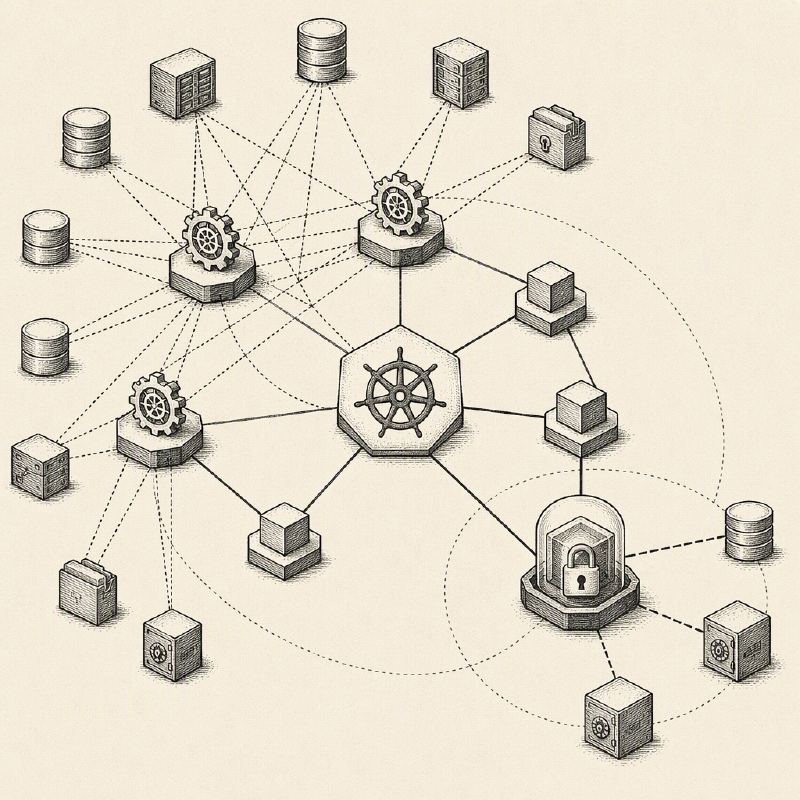
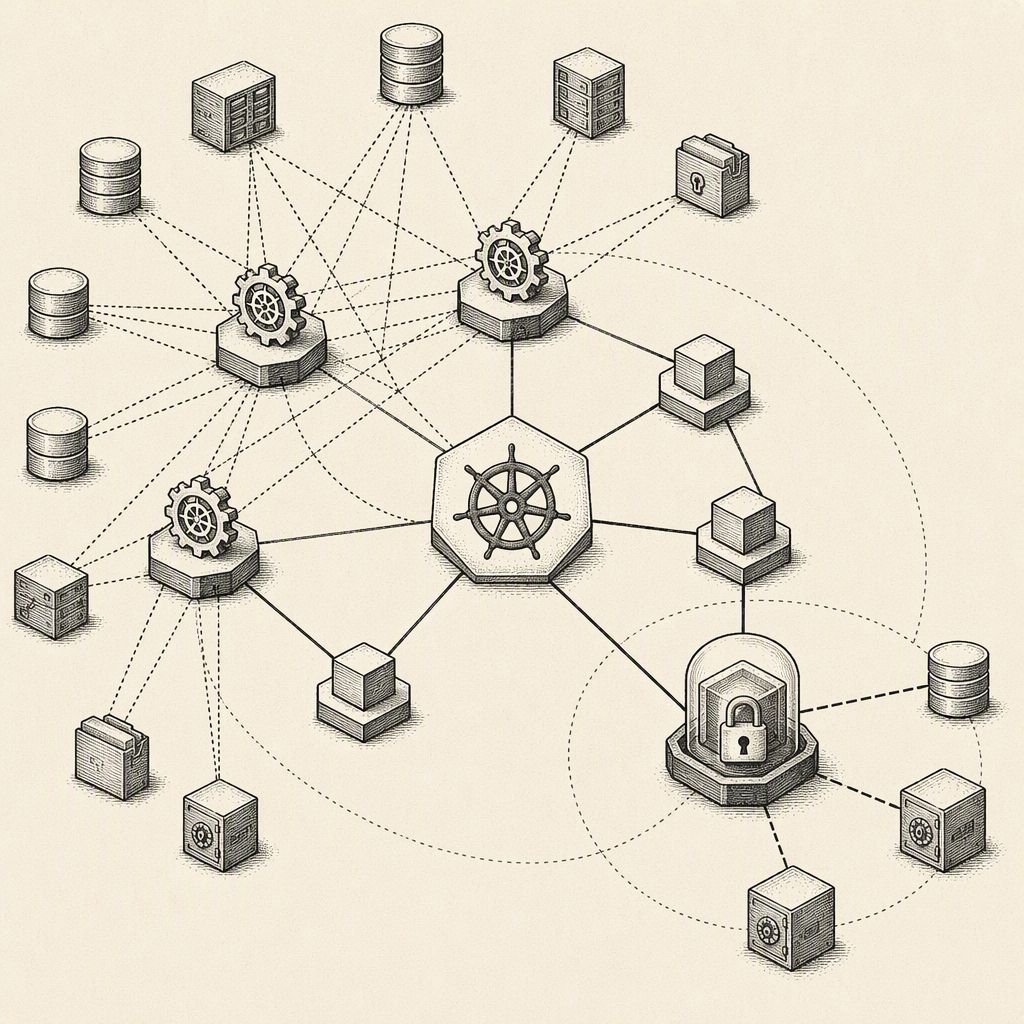
Researchers at Palo Alto Networks' Unit 42 have developed and released OperTraitor, an open-source tool designed to audit the security posture of Kubernetes operators. These operators, crucial for automating complex tasks and reducing operational overhead, often rely on highly privileged service accounts. OperTraitor aims to identify and quantify the risks associated with these elevated permissions, which can inadvertently create significant security vulnerabilities.
The tool works by ingesting Role-Based Access Control (RBAC) configurations directly from operators, whether they are locally installed or sourced from catalogs like OperatorHub. It then compares the operator's documented functionality against the actual privileges it has been granted. This discrepancy analysis is key to uncovering instances where operators possess broader permissions than necessary for their intended operations, effectively turning them into potential backdoors.
OperTraitor's analysis has already revealed issues within default registries, such as abandoned or overly permissive components. Developers frequently grant these operators wide-ranging, wildcard RBAC permissions to ensure smooth deployments. However, this practice can lead to unintended consequences, where a compromised operator could grant attackers extensive access to sensitive cluster resources, namespaces, and data.
The introduction of AI and agentic capabilities into Kubernetes operators amplifies these risks. As operators become more autonomous, leveraging Large Language Models (LLMs) for enhanced logic or acting as bridges for external AI agents, the impact of excessive RBAC permissions becomes far more severe. These autonomous entities, if compromised, could wield significant power, potentially reading sensitive data across unintended namespaces or gaining unchecked control over cluster resources.
To illustrate the real-world impact, OperTraitor identified a high-severity vulnerability (CVE-2026-6389, CVSS 8.8) in IBM's Turbonomic platform. It also flagged an overly privileged configuration that granted cluster-wide access to secrets and broad actions on RBAC resources, highlighting the tangible risks present in widely used software.
OperTraitor empowers defenders by providing a normalized risk score, visualizing the potential impact of third-party operators. This allows security teams to effectively downscope the privileges of operator service accounts before they can be exploited. The tool also demonstrates how to hunt for and mitigate similar risks within an organization's own Kubernetes environments.
The research underscores a critical trade-off vendors face between offering operational flexibility and maintaining strict security controls. As the industry increasingly adopts AI-driven automation, securing the service accounts and RBAC configurations of Kubernetes operators becomes paramount to preventing silent backdoors and maintaining a robust security posture.
Palo Alto Networks customers can leverage products like Cortex Cloud, along with Unit 42's AI Security Assessment and Frontier AI Defense services, to help identify and mitigate these complex AI-enabled risks. The Unit 42 Incident Response team is also available for organizations facing potential compromises.