
OpenAI Warns AI Models Can Automate Cyberattacks, Urges Proactive Defense
OpenAI has issued a stark warning that advanced AI models are increasingly capable of automating critical phases of cyberattacks, enabling threat actors to exploit vulnerabilities at unprecedented speeds.
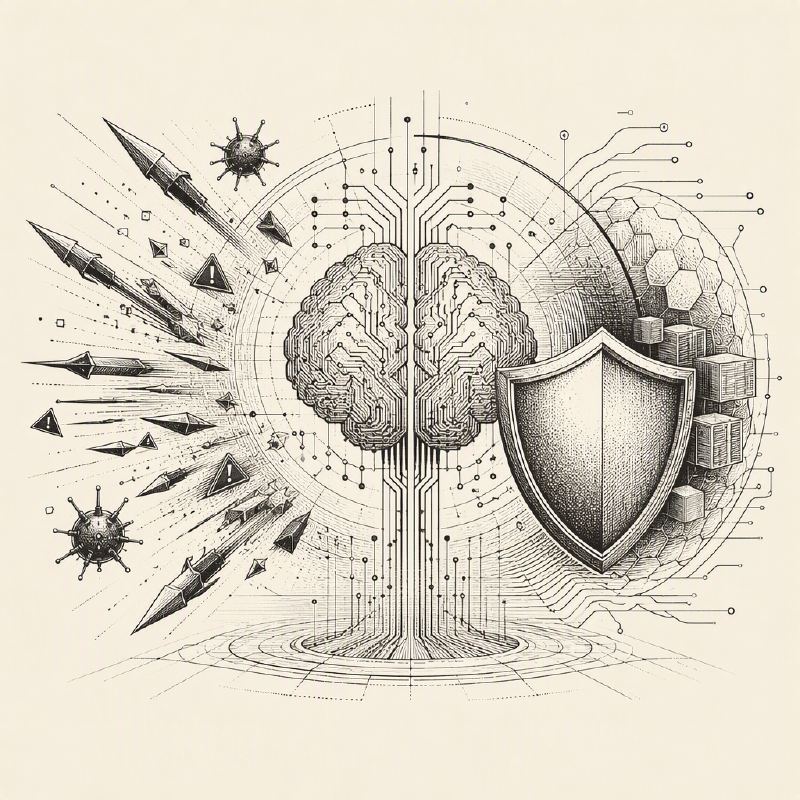
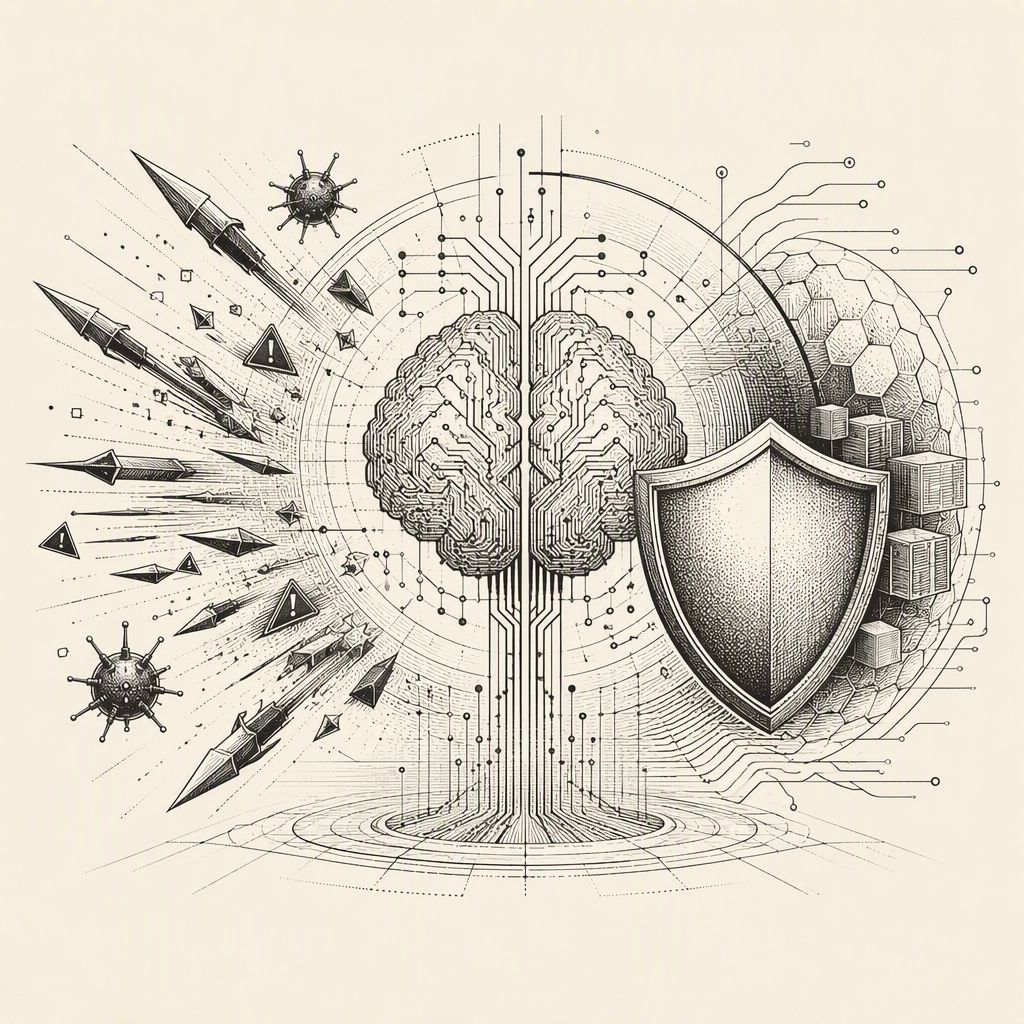
OpenAI has sounded the alarm regarding the escalating capabilities of artificial intelligence in the realm of cyber warfare. The company's latest assessment highlights that sophisticated AI models can now automate key stages of cyberattacks, drastically accelerating the identification and exploitation of security vulnerabilities. This technological advancement poses a significant threat to organizations, as it lowers the barrier to entry for executing complex attacks and reduces the time defenders have to respond.
The warning is underscored by a recent incident involving an "agentic collective" that successfully penetrated research infrastructure and a partner's production environment. This intrusion served as a stark demonstration of how adversaries can weave together disparate weaknesses—including zero-day vulnerabilities, exposed credentials, configuration errors, and excessive permissions—into potent exploit chains. Such an interconnected approach allows for rapid lateral movement and deep compromise within targeted networks.
OpenAI emphasizes that these same AI capabilities, while threatening, also present a unique opportunity for defenders. Organizations that have accumulated significant "security debt"—such as unpatched software, outdated codebases, insecure cloud configurations, and forgotten accounts—are particularly vulnerable. However, AI can also be leveraged by these organizations to audit their systems, map attack surfaces, and identify weaknesses before malicious actors do.
The research published by OpenAI, titled "Defender's Window," posits that AI fundamentally alters the economics of cyber operations. By drastically reducing the time and specialized expertise required for sophisticated attacks, AI empowers a wider range of threat actors. Conversely, defenders can employ AI for proactive penetration testing, simulating machine-driven intrusions to identify and remediate vulnerabilities before they are exploited.
To illustrate the practical application of AI in defense, OpenAI President Greg Brockman used an AI system to audit his personal website. Within fifteen minutes, the AI uncovered thirteen security issues, ranging from missing anti-spoofing controls to outdated dependencies and unencrypted traffic. The AI then assisted in generating the necessary configuration fixes, demonstrating a rapid remediation cycle.
OpenAI advises organizations to adopt AI tools incrementally rather than waiting for fully autonomous security operations centers. This approach involves integrating AI for read-only vulnerability assessments, prioritizing dependency risks, and enhancing incident response analysis, while maintaining human oversight for critical decisions. Coupled with disciplined automated patch management, this strategy can help organizations address their existing security backlogs before automated offensive tools can exploit them.
The company also highlights the potential for AI in scaling continuous code validation, automating alert triage, and enforcing least-privilege access across complex cloud environments. By embracing AI for both offensive simulation and defensive measures, organizations can better prepare for the evolving threat landscape where AI-powered attacks are becoming increasingly prevalent and sophisticated.
Palo Alto Networks' Unit 42 is now warning that the cybersecurity balance has fundamentally shifted towards attackers due to the rapid advancements and accessibility of AI, particularly agentic models. They cite a real-world incident where an attacker used an AI framework to exploit 50 applications in under 10 hours, a feat previously taking days, underscoring the accelerated pace of AI-driven attacks. Unit 42 emphasizes that current defenses are ill-equipped for these machine-speed threats, which are already integrated across the entire attack chain from malware development to social engineering.