
OpenAI's Math Breakthroughs Threaten Public Key Cryptography, Urge Post-Quantum Shift
OpenAI's release of over 700 mathematical proofs could rapidly accelerate AI's ability to solve complex problems, potentially rendering current public key cryptography vulnerable and necessitating a swift transition to post-quantum solutions.
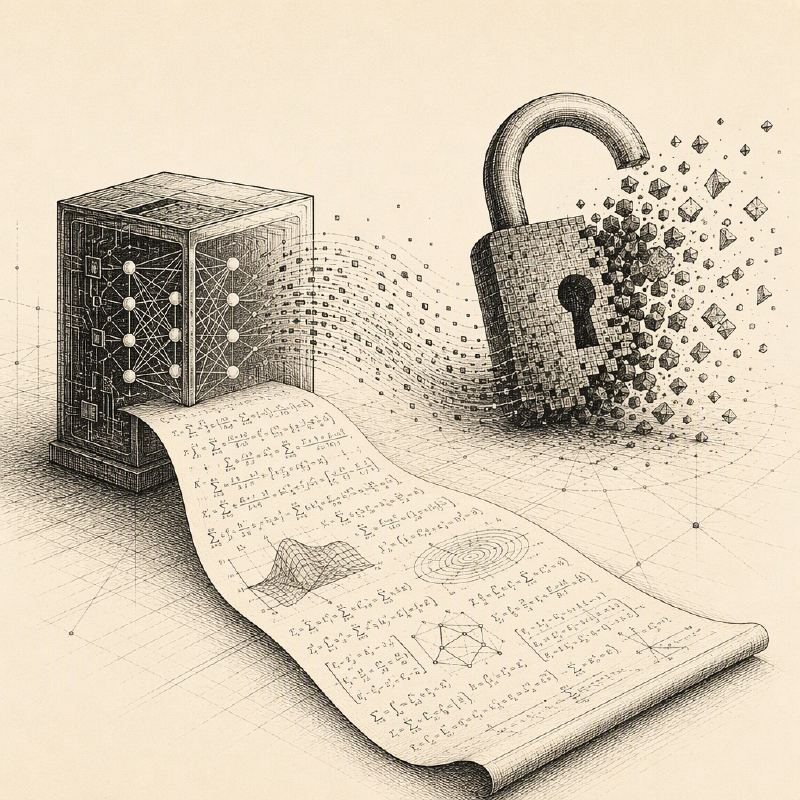
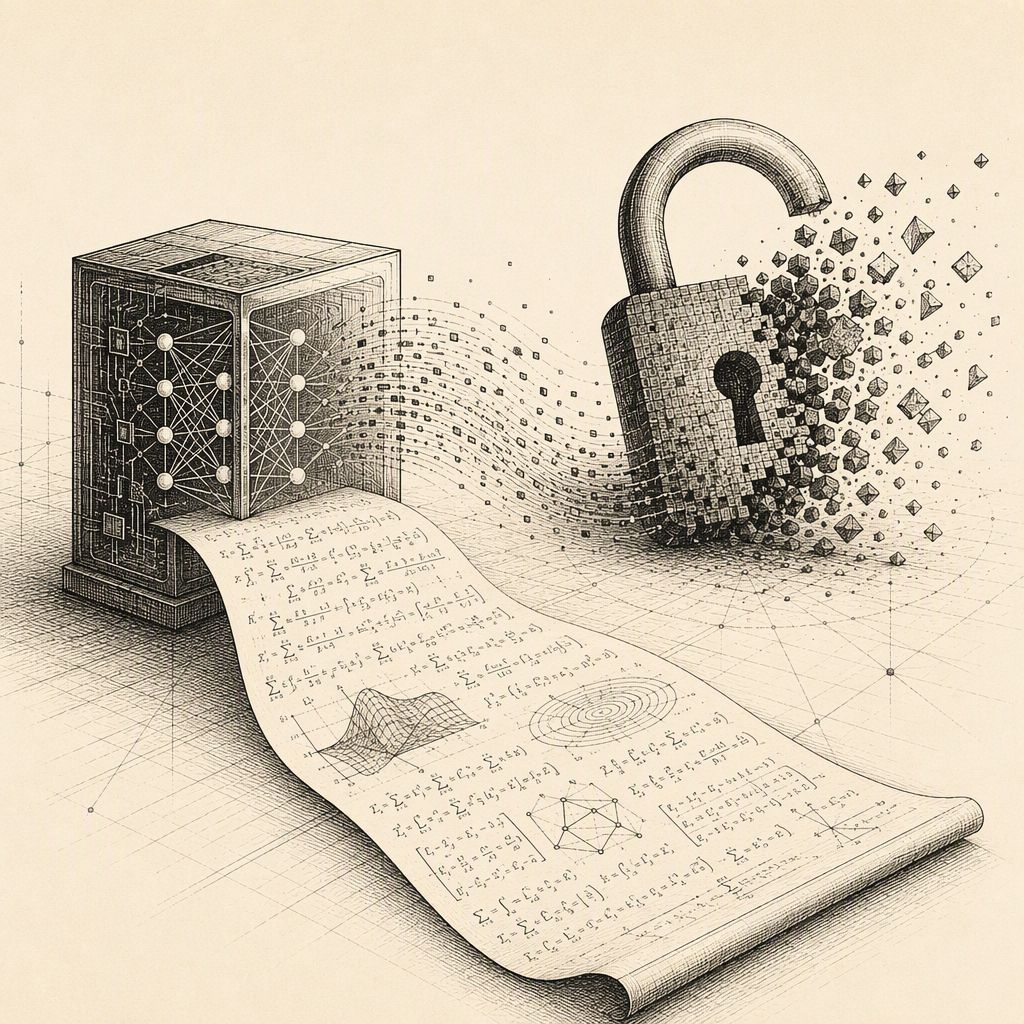
OpenAI has ignited a firestorm in the cybersecurity and mathematics communities with the release of over 700 mathematical proofs, a move that some experts believe could fundamentally alter the landscape of public key cryptography. The proofs, developed using AI and verified with the LEAN theorem prover, have been described by some mathematicians as "the most significant moment in mathematical history." While three proofs were subsequently withdrawn, the sheer volume and potential implications of this release are undeniable.
The core of the concern lies in the foundational assumptions of modern encryption. Public key cryptography, which enables secure communication between strangers over the internet, relies on the computational difficulty of certain mathematical problems. For decades, it has been assumed that solving these problems would take millennia with current computing power and mathematical knowledge. However, OpenAI's rapid advancement in mathematical discovery, potentially representing a significant leap forward in our understanding and ability to solve these complex problems, could drastically shorten that timeline.
This accelerated pace of mathematical innovation poses a direct threat to the security of the internet as we know it. If AI can solve the complex mathematical problems underpinning current encryption algorithms in a practical timeframe, then these algorithms could become vulnerable to attack. This would have catastrophic consequences, potentially halting e-commerce, secure transactions, and much of the digital infrastructure that relies on secure communication channels.
The cybersecurity industry has long anticipated the threat posed by quantum computing to existing encryption methods, leading to the development of post-quantum cryptography algorithms like ML-KEM. However, the current situation suggests that AI-driven mathematical breakthroughs could render current algorithms obsolete much faster than anticipated, potentially outpacing the development and deployment of quantum-resistant solutions.
Beyond the immediate threat to cryptography, the incident highlights a broader trend: the increasing role of AI in scientific discovery and problem-solving. As companies like OpenAI, Anthropic, and others leverage AI to push the boundaries of mathematics and computer science, the pace of innovation is accelerating to unprecedented levels. This necessitates a fundamental shift in how the cybersecurity industry adapts its infrastructure and strategies.
In response to this rapidly evolving landscape, organizations are urged to maintain heightened situational awareness regarding AI's impact on cybersecurity. A proactive approach, including a consistent routine of updating software and systems, will be crucial. Furthermore, the industry may need to develop more agile methods for patching and deploying new cryptographic algorithms as they emerge, ensuring that defenses can keep pace with offensive capabilities.
Adding a layer of concern, some security researchers suggest that the implications of these AI-driven mathematical breakthroughs may be even more profound than publicly acknowledged. There are suggestions that strong cryptographic algorithms might already be compromised or weakened, with information potentially being withheld due to government intervention, a scenario with historical precedent. This underscores the urgency for transparency and rapid adaptation within the cybersecurity ecosystem.
The cybersecurity community, including organizations like Wordfence, is committed to monitoring these developments closely and informing customers of necessary changes. The potential collapse of public key encryption would trigger a massive, coordinated effort to find and implement replacements, emphasizing the collective nature of cybersecurity resilience in the face of such transformative technological shifts.