
OpenAI Proposes Five-Stage AI-Assisted Vulnerability Disclosure Framework
OpenAI has outlined a five-stage process for managing critical software vulnerabilities, aiming to enhance security by integrating AI into the discovery and remediation lifecycle.
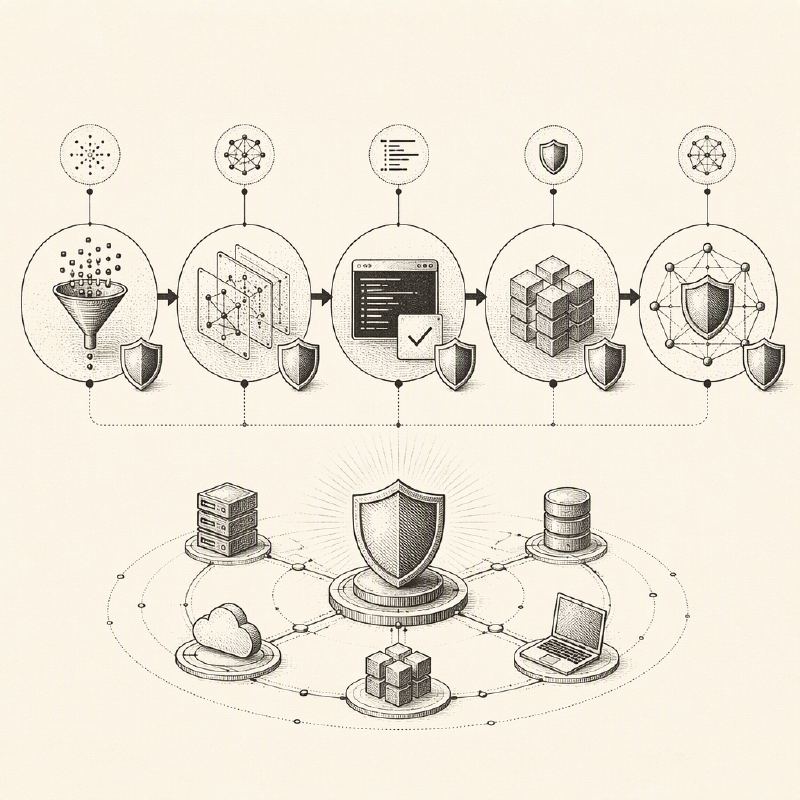

OpenAI has put forth a novel five-stage framework designed to manage the disclosure of critical vulnerabilities in widely adopted software. This initiative emerged from a recent two-month effort to address significant flaws discovered in PHP, the ubiquitous open-source scripting language that powers a vast portion of the internet's websites and web applications. Notably, one of these critical PHP vulnerabilities was identified using OpenAI's GPT-5.6 Sol model as part of the "Patch the Planet" program, a broader effort by OpenAI to bolster open-source security through AI-driven bug detection and response. Wiz independently confirmed and reported both vulnerabilities.
OpenAI anticipates a sharp increase in similar findings, stating, "As significant as they are, these bugs are among several significant vulnerabilities we’ve already found and are working to fix, and we expect similar findings to increase sharply in the coming months." The proposed framework is specifically tailored for flaws that have the potential to impact numerous products simultaneously, necessitating a coordinated approach that allows distributors and service providers adequate time to prepare and deploy fixes. The urgency is amplified by the rapid advancement of AI tools, which are becoming increasingly accessible to both defenders and potential attackers.
The proposed five-stage process places maintainers at the forefront of vulnerability management. In the initial stage, maintainers, alongside researchers and technical partners, are responsible for confirming the bug, assessing its full impact, and developing and rigorously testing a fix. A crucial part of this testing involves using advanced AI models to probe the patch for potential bypasses and identify related variants. This proactive approach aims to ensure the robustness of the fix before wider distribution.
The second stage focuses on providing affected organizations with a head start in preparing their environments. This could involve distributors adapting the fix for older software releases, hosting providers testing specific mitigations, or security vendors developing Web Application Firewall (WAF) rules to block malicious traffic targeting the vulnerability. This preparatory phase is critical for minimizing the window of opportunity for exploitation.
In the third stage, the response expands to include governmental and international bodies. For the PHP vulnerabilities, OpenAI and its collaborators engaged with key entities such as the White House’s Super Intelligence Force, the Office of the National Cyber Director, CISA, and various international partners. This governmental involvement ensures a coordinated response at a national and global level, particularly for vulnerabilities with widespread implications.
The fourth stage involves widening the circle of communication to include a broader array of distributors, service providers, and operators once the fix and disclosure plans are finalized. Finally, in the fifth stage, following the official release of the patch, responders publish detailed guidance and continue to offer support to operators as they deploy the updates. This ensures a smooth transition and helps mitigate any residual risks.
OpenAI's framework also addresses the sensitive issue of early access to vulnerability information. It weighs three key factors: an organization's role in protecting the ecosystem, the time required for them to act, and their capacity to handle sensitive information securely. Maintainers will ultimately decide who receives early access and what level of detail they require, ranging from network logs indicating compromise to proof-of-concept exploits. The timeline for disclosure may be revisited if the vulnerability is actively exploited, leaks, or if remediation efforts stall, increasing user risk.
OpenAI is actively seeking input from the cybersecurity community on critical aspects of this framework, including optimal disclosure window durations, balancing broad early notice against the risk of leaks, and strategies for patching older software versions that no longer receive official security updates. The initiative also poses a forward-looking question about whether governments or authorized operators should leverage vulnerabilities to patch systems they manage, even after losing administrative access. The ultimate vision is an always-on, internet-wide scanning system that can either alert site owners or automatically patch vulnerable systems.