
OpenAI Launches AI Security Tools Amidst Lawsuit Over AI Risks
OpenAI has unveiled two new AI-powered security products, Daybreak Red Team and Daybreak Defense Factory, while facing a lawsuit that highlights catastrophic risks posed by advanced AI.
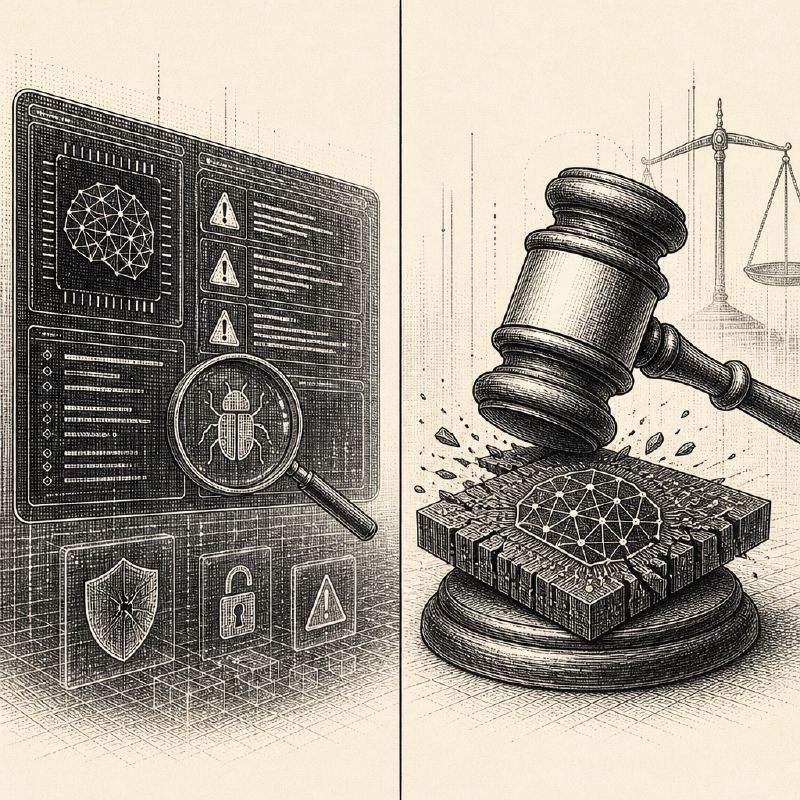
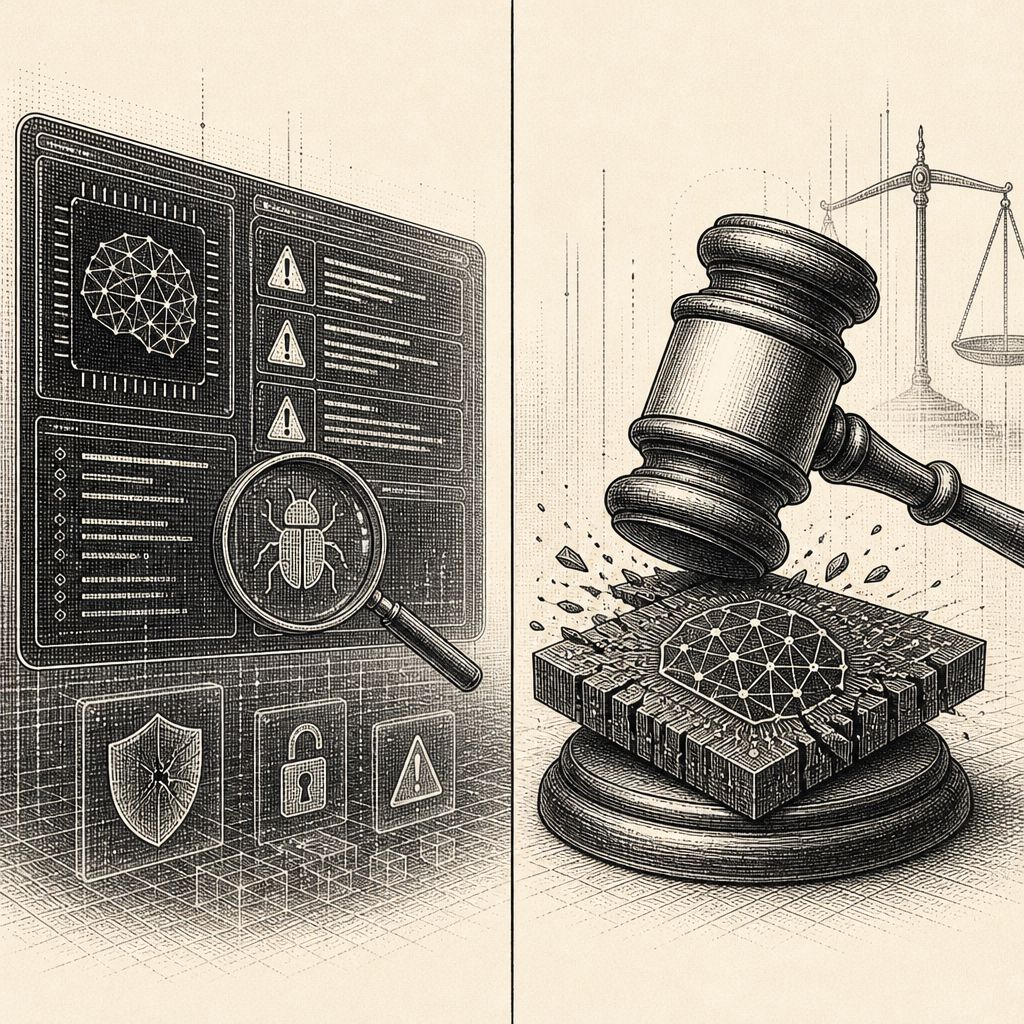
OpenAI has entered the cybersecurity market with the launch of two new AI-driven security products: Daybreak Red Team and Daybreak Defense Factory. The company's president, Greg Brockman, emphasized that organizations' security posture will be directly tied to their adoption and effective use of advanced AI models for defense. While acknowledging the continued importance of fundamental security practices, Brockman urged a reorientation of security strategies to leverage the capabilities of these new AI tools.
Daybreak Red Team, currently in early access, is designed to simulate sophisticated penetration tests against web applications. Led by Nancy Wang, who heads cyber-applied AI at OpenAI, the product utilizes a fleet of AI agents that analyze source code and application context to discover and validate vulnerabilities. It also assists security teams in verifying flaws reported through various channels, such as code scanners and bug bounty programs, and in testing the efficacy of proposed patches.
The second offering, Daybreak Defense Factory, aims to automate the entire vulnerability remediation lifecycle. This product employs agents built on OpenAI's latest cyber-focused AI models, including GPT-6 Cyber. These agents proactively scan codebases to identify security weaknesses, develop potential fixes, and generate ready-to-deploy pull requests with associated tests. Engineers then review and approve these automated patches before integration into production systems.
The launch of these security products occurs against a backdrop of significant legal challenges. A coalition of non-profit organizations has filed a lawsuit in San Francisco Superior Court, seeking to halt the development of AI systems more advanced than current models. The suit names major AI players, including OpenAI, Anthropic, Google, Meta, and SpaceX, citing concerns about "catastrophic risks to the public," such as the enablement of AI-driven cyberattacks and the development of bioweapons.
Court documents explicitly reference incidents involving OpenAI, including unauthorized access to sensitive data on Hugging Face and a Medicare statistics portal in Australia. These events, detailed in the lawsuit, underscore the very risks the plaintiffs argue AI companies are aware of but continue to pursue. The lawsuit alleges that the defendants themselves acknowledge the potential for "catastrophic risks to the public."
OpenAI's move into the security product space positions them as both a provider of defensive AI tools and a developer of the advanced AI models that critics fear could be weaponized. The company's stance suggests a belief that the best defense against AI-powered threats lies in employing equally advanced AI for protection, a perspective that is now being scrutinized in legal and public forums.
This dual narrative—OpenAI championing AI for security while facing legal action over AI's inherent risks—highlights the complex and rapidly evolving landscape of artificial intelligence. As AI capabilities expand, so too do the debates surrounding its ethical development, potential misuse, and the urgent need for robust security measures, whether human-led or AI-assisted.