
Open Robotics RViz Vulnerable to Denial-of-Service via Out-of-Bounds Read
A critical vulnerability in Open Robotics RViz allows unauthenticated attackers to cause a denial-of-service condition by exploiting an out-of-bounds read in the IntensityPCTransformer component.
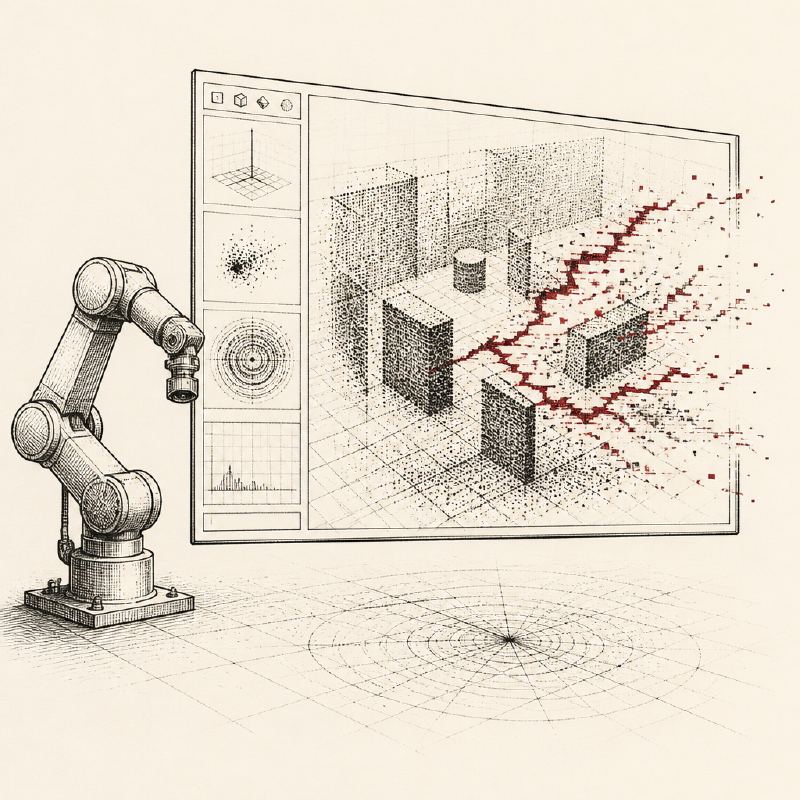

Zero Day Initiative (ZDI) has disclosed a critical vulnerability affecting Open Robotics RViz, identified as ZDI-26-1022. This flaw resides within the IntensityPCTransformer component's handling of PointCloud2 messages and allows for an out-of-bounds read. Unauthenticated attackers with network adjacency can exploit this vulnerability to trigger a denial-of-service (DoS) condition, potentially disrupting the operation of affected systems.
The vulnerability stems from insufficient validation of user-supplied data within the PointCloud2 message processing. This oversight permits an attacker to read beyond the boundaries of an allocated memory object. Successful exploitation leads to a denial-of-service, rendering the RViz installation unresponsive or causing it to crash.
The CVSS score for this vulnerability is rated at 6.5, classifying it as a moderate severity risk. While not leading to remote code execution, a denial-of-service attack can have significant operational impacts, especially in environments relying on RViz for visualization and debugging of robotic systems.
ZDI initially reported the vulnerability to the vendor on July 15, 2026. Following standard disclosure procedures, ZDI engaged with the vendor for updates and confirmations. After several follow-ups, including a notification on November 3, 2026, regarding the intention to publish as a 0-day advisory, the coordinated public release was made on November 18, 2026.
Given the nature of the vulnerability, which targets the processing of network-received data, the primary mitigation strategy recommended by ZDI is to restrict network access to the affected RViz installations. This involves limiting who can send PointCloud2 messages to the vulnerable component, thereby reducing the attack surface.
Mat Powell of TrendAI Zero Day Initiative is credited with discovering and reporting this vulnerability. The disclosure timeline indicates a proactive engagement between ZDI and the vendor, culminating in the public advisory to inform users of the potential risks and necessary precautions.
Users of Open Robotics RViz are advised to consult any available vendor advisories or patches to address this vulnerability. In the absence of immediate patches, implementing network segmentation and access controls is crucial to prevent exploitation. The disclosure serves as a reminder of the ongoing need for vigilance in securing complex software components used in critical infrastructure like robotics.
This advisory from Zero Day Initiative (ZDI-26-1020) details a denial-of-service vulnerability in Open Robotics RViz's PointCloud2Display component, distinct from the IntensityPCTransformer flaw mentioned previously. The vulnerability allows network-adjacent attackers to trigger an out-of-bounds read without authentication, resulting in a denial-of-service condition with a CVSS score of 6.5.
This new advisory from Zero Day Initiative details a specific out-of-bounds read vulnerability, ZDI-26-1021, within the OccupancyGridUpdate function of Open Robotics RViz's MapDisplay component. While the existing story broadly covers a denial-of-service vulnerability in RViz, this update specifies the affected component and the exact mechanism of exploitation, noting that network-adjacent attackers can trigger the flaw without authentication.
This advisory from Zero Day Initiative (ZDI) details a specific out-of-bounds read vulnerability within Open Robotics RViz's AxisColorPCTransformer component, distinct from the IntensityPCTransformer flaw mentioned previously. The vulnerability, identified as ZDI-26-1025, allows network-adjacent attackers to cause a denial-of-service condition without authentication, carrying a CVSS score of 6.5. The disclosure timeline indicates the vulnerability was reported on July 15, 2026, and publicly disclosed on November 18, 2026, with Mat Powell of TrendAI Zero Day Initiative credited for the discovery.
This advisory, ZDI-26-1023, details a specific out-of-bounds read vulnerability within the RGB8PCTransformer component of Open Robotics RViz, distinct from the IntensityPCTransformer flaw mentioned previously. While both lead to denial-of-service conditions, this new vulnerability stems from improper validation of PointCloud2 messages, allowing network-adjacent attackers to read past allocated memory boundaries without authentication.
This new advisory, ZDI-26-1026, details a specific out-of-bounds read vulnerability within the XYZPCTransformer component of Open Robotics RViz, distinct from the IntensityPCTransformer component mentioned in the previous report. While both vulnerabilities lead to a denial-of-service condition, the XYZPCTransformer flaw stems from improper validation of user-supplied data during PointCloud2 message handling, allowing reads past allocated memory boundaries.
This advisory, ZDI-26-1024, details a denial-of-service vulnerability in Open Robotics RViz's RGBF32PCTransformer component. Unlike the previously reported IntensityPCTransformer flaw, this new vulnerability stems from improper validation of PointCloud2 messages, leading to an out-of-bounds read. While both vulnerabilities allow for denial-of-service conditions and do not require authentication, the specific component and the root cause of the memory corruption differ.