
NVIDIA Transformers4Rec Vulnerable to Remote Code Execution via Deserialization Flaw
A critical deserialization vulnerability in NVIDIA Transformers4Rec (CVE-2026-24232) allows attackers to execute arbitrary code on affected systems.
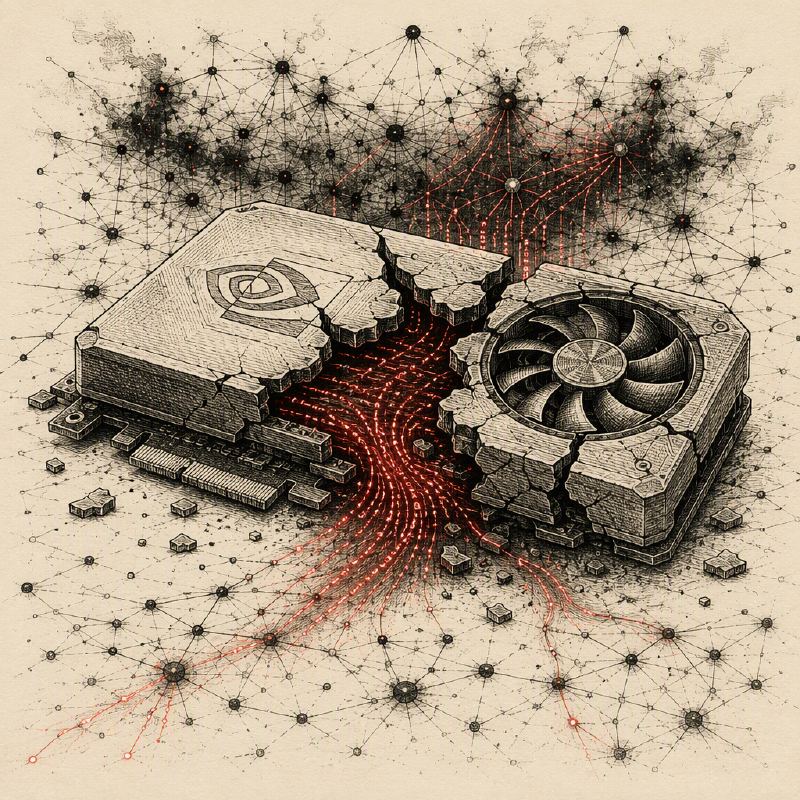
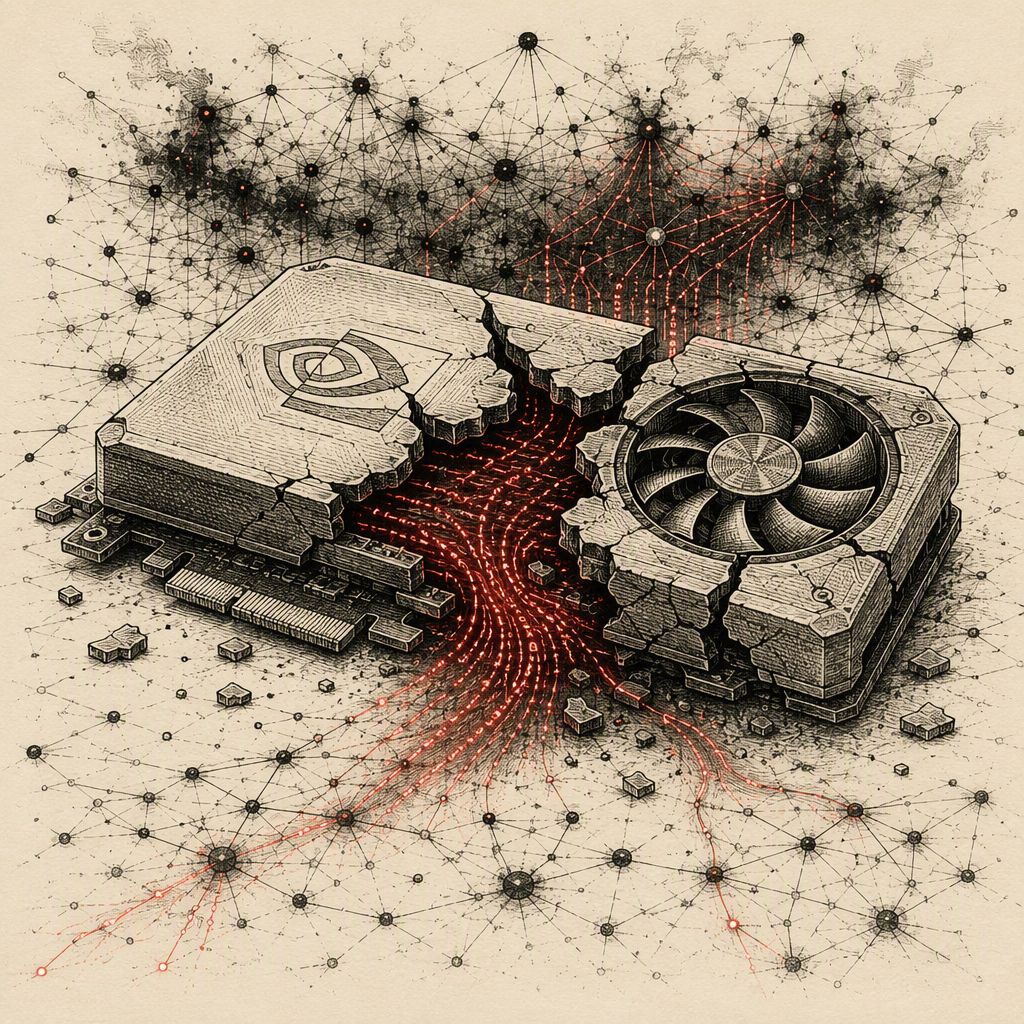
A significant security vulnerability has been identified in NVIDIA's Transformers4Rec library, potentially exposing users to remote code execution. The vulnerability, tracked as CVE-2026-24232, stems from a deserialization flaw within the load_model_trainer_states_from_checkpoint function. This means that if an attacker can trick a user into loading a specially crafted checkpoint file, they could execute arbitrary code on the victim's system.
The Zero Day Initiative (ZDI), which disclosed the vulnerability, has assigned it a CVSS score of 7.8, classifying it as high severity. This score indicates a substantial risk, allowing for remote code execution with a relatively low barrier to entry for exploitation. The nature of the vulnerability suggests that attackers could leverage this flaw to gain control over systems running affected versions of the Transformers4Rec library.
Exploitation of this vulnerability requires user interaction. Specifically, an attacker would need to persuade a target user to load a malicious checkpoint file. This could be achieved through various social engineering tactics, such as convincing the user to open a file from an untrusted source or visit a malicious webpage that triggers the loading process. Once the malicious data is deserialized, the attacker's code can be executed.
NVIDIA Transformers4Rec is a library designed for building and training recommendation models, often used in machine learning pipelines. Its role in handling model states and checkpoints makes the load_model_trainer_states_from_checkpoint function a critical component. A flaw in this function's ability to safely handle untrusted data during deserialization opens a direct path for attackers to inject and run malicious code.
The implications of this vulnerability are far-reaching, particularly for organizations and researchers utilizing NVIDIA's machine learning tools. Successful exploitation could lead to complete system compromise, data theft, or the deployment of further malicious software. Given the widespread use of NVIDIA technologies in AI and machine learning, the potential impact is considerable.
Details regarding specific affected versions of Transformers4Rec and patch availability are expected to be released by NVIDIA. Users are strongly advised to monitor official NVIDIA security advisories and apply any available updates as soon as they are released. In the interim, exercising extreme caution with files and data sources related to Transformers4Rec is recommended.
This vulnerability highlights the ongoing challenges in securing complex machine learning libraries. Deserialization flaws continue to be a prevalent attack vector, underscoring the need for robust input validation and secure coding practices throughout the software development lifecycle, especially in libraries handling sensitive model data.