
NVIDIA Megatron Bridge Vulnerability Allows Remote Code Execution
A critical vulnerability in NVIDIA Megatron Bridge, ZDI-26-594, allows remote attackers to execute arbitrary code by exploiting a flaw in model configuration loading.

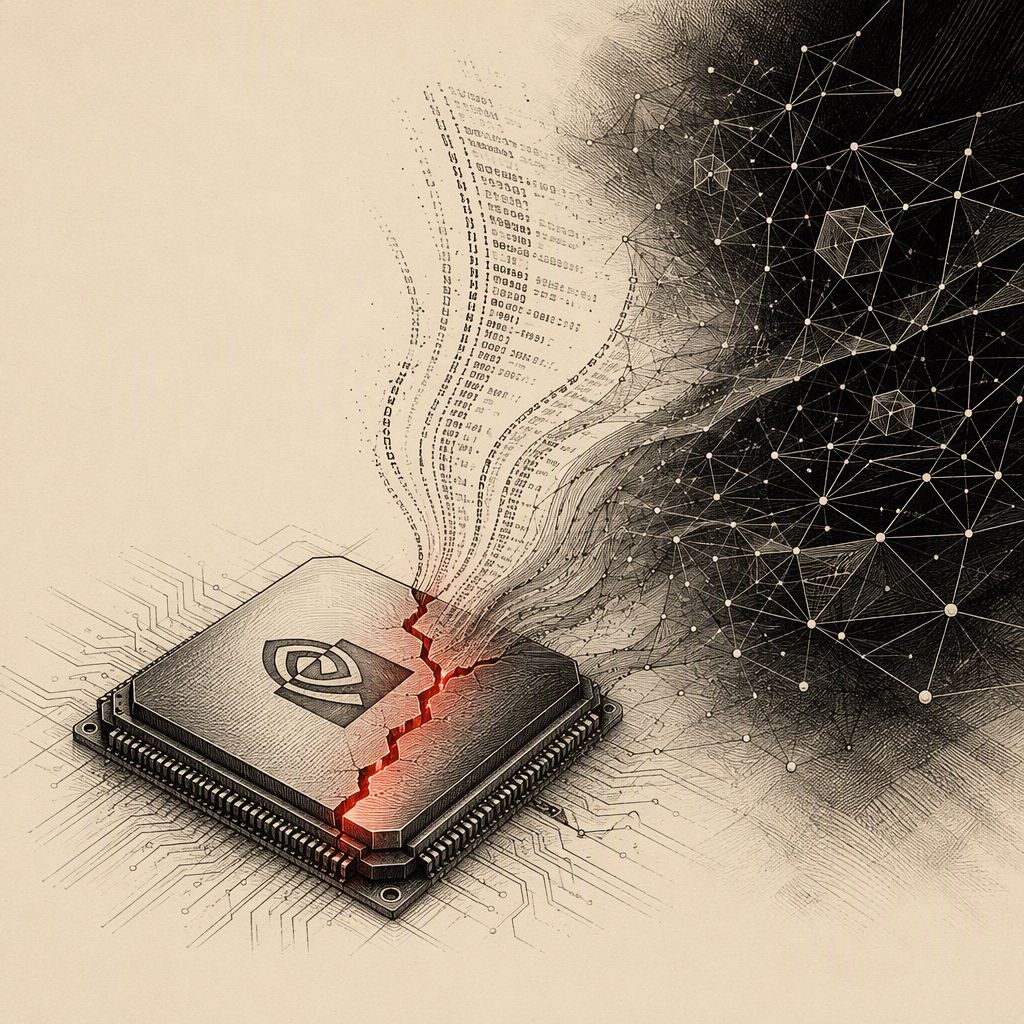
Zero Day Initiative (ZDI) has disclosed a critical remote code execution (RCE) vulnerability, tracked as ZDI-26-594, affecting NVIDIA Megatron Bridge. The flaw resides within the load_model_config functionality, where improper validation of user-supplied strings leads to arbitrary Python code execution.
Attackers can exploit this vulnerability by tricking a user into interacting with a malicious web page or opening a crafted file. Successful exploitation allows an attacker to execute arbitrary code in the context of the currently logged-in user, posing a significant risk to system integrity and data confidentiality. The vulnerability has been assigned a CVSS score of 7.8, indicating a high severity.
NVIDIA has acknowledged the vulnerability and released a security update to address the issue. Users of NVIDIA Megatron Bridge are strongly advised to apply the patch as soon as possible to mitigate the risk of exploitation. Further details on the update can be found in NVIDIA's official advisory.
The vulnerability was initially reported to NVIDIA on April 16, 2026. ZDI coordinated the public release of the advisory on August 24, 2026, alongside an update to the advisory details. The discovery and reporting of this flaw are credited to YJK from ZUSO ART.
This vulnerability highlights the ongoing challenges in securing complex machine learning frameworks. The ability to inject and execute arbitrary code through configuration loading mechanisms is a common attack vector, underscoring the need for robust input validation and secure coding practices in software development.
NVIDIA Megatron Bridge is a framework designed for training large-scale transformer models, commonly used in natural language processing and other AI applications. Vulnerabilities in such critical infrastructure components can have far-reaching consequences, potentially impacting the security of AI models and the data they process.
While the vulnerability requires user interaction, the ease with which malicious files or web pages can be distributed means that even sophisticated users could fall victim. The CVSS score of 7.8 suggests that the exploit is relatively straightforward to execute once the initial user interaction is achieved.
Organizations utilizing NVIDIA Megatron Bridge should prioritize updating their installations to the patched version. Additionally, security teams should remain vigilant for any signs of exploitation and ensure that user awareness training includes guidance on identifying and avoiding malicious files and links.