
npm: Coordinated Drop of 10 Malicious Packages Targets CLI Tools
Key findings • Ten malicious npm packages were disclosed on 2026-11-12 within a 26-minute window. • The campaign includes packages sharing the '-cli' suffix and the '@hesxo' npm scope. • …
Key findings
- Ten malicious npm packages were disclosed on 2026-11-12 within a 26-minute window.
- The campaign includes packages sharing the '-cli' suffix and the '@hesxo' npm scope.
- All associated GHSA advisories indicate critical severity compromises.
- Key packages include
@hesxo/forge-cli,otto-git-cli, anddepfix-ai.
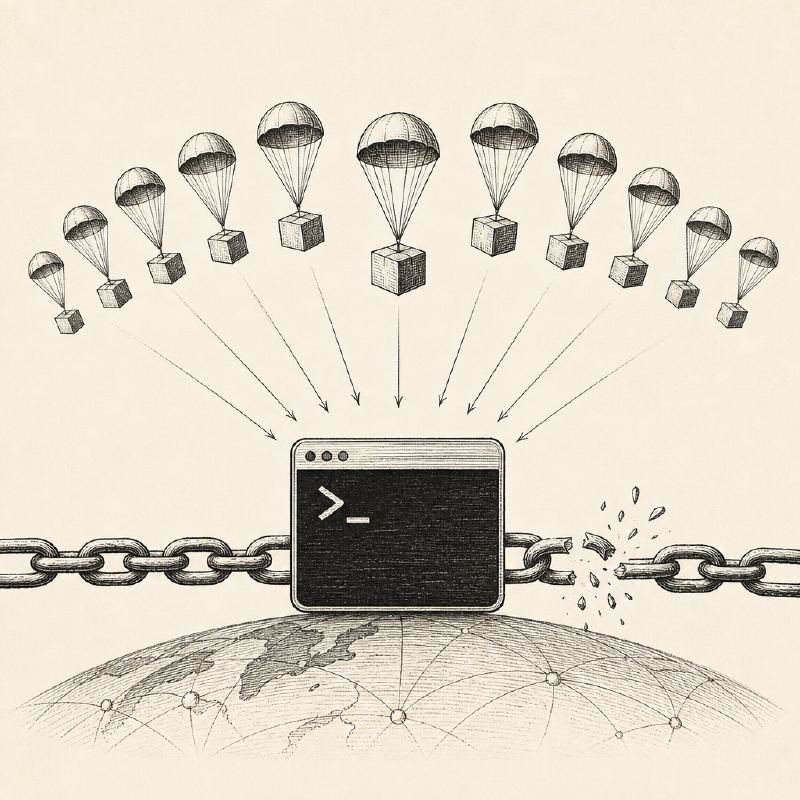
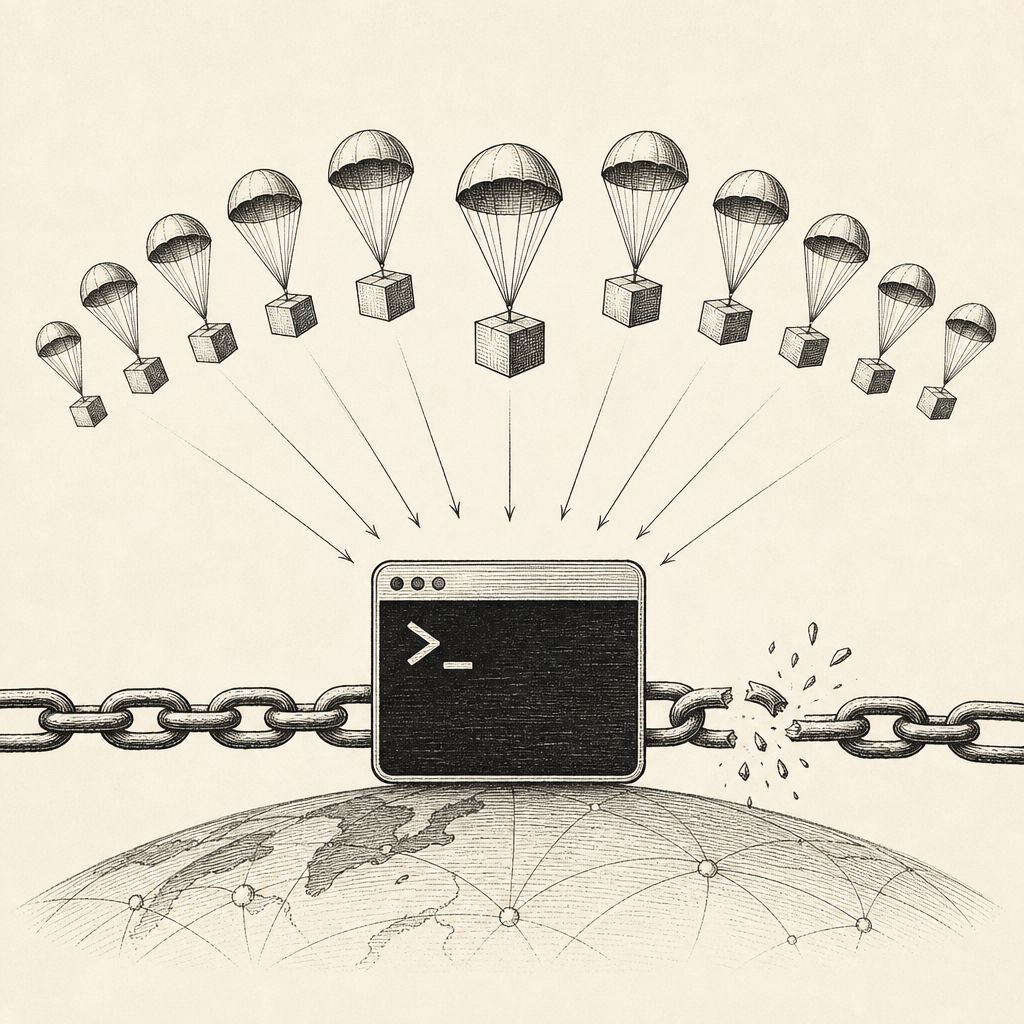
On November 12, 2026, ten malicious packages were disclosed on the npm registry within a tight 26-minute window, signaling a coordinated campaign. The disclosures began at 20:30 UTC with @rclaude/darwin-x64, followed by a cluster of eight more advisories at 20:57 UTC, indicating a swift takedown operation by security teams. This burst highlights an ongoing threat to the software supply chain, where attackers leverage coordinated drops to distribute harmful code.
The campaign exhibits clear patterns in package naming, suggesting a targeted approach. Several packages share the common suffix -cli, such as @hesxo/forge-cli, @hesxo/viro-cli, and otto-git-cli, indicating an attempt to impersonate or target command-line interface tools. Furthermore, a distinct group of packages, @hesxo/forge-cli and @hesxo/viro-cli, fall under the @hesxo npm scope, pointing to a single actor or group behind these specific malicious uploads. The inclusion of depfix-ai and @rclaude/darwin-x64 within the same burst suggests a broader, albeit still coordinated, distribution strategy that may include varied naming conventions to evade detection.
While specific behavioral findings from OpenSSF Package Analysis were not detailed in the provided advisories for this burst, the critical severity assigned to all GHSA advisories implies significant malicious functionality. Typically, such packages aim to compromise developer environments, exfiltrate sensitive data like credentials and environment variables, or establish persistent backdoors. The lack of explicit IOCs or detailed behavioral reports in the public advisories means users should assume the worst-case scenario for any affected system.
The severity of these disclosures is uniformly critical. As stated in similar advisories, any system that has installed one of these malicious packages should be considered fully compromised. This necessitates immediate and thorough remediation steps, including isolating affected machines, rotating all credentials (API keys, tokens, passwords) from a separate, secure environment, and auditing for any unauthorized activity or persistence mechanisms. The broad impact of a critical compromise means that developer workstations, build servers, and any other systems interacting with these packages are at high risk.
Developers and organizations are urged to immediately audit their dependency trees and package-lock.json or yarn.lock files for the presence of any of the disclosed malicious packages. A representative list of package names to check includes:
@hesxo/forge-cli@hesxo/viro-clidepfix-aiotto-git-cli@rclaude/darwin-x64
If any of these packages are found, affected systems must be taken offline, and a full incident response protocol should be initiated. This includes forensic analysis, credential rotation, and a review of npm token logs for any unauthorized publishing activity, especially if maintainer accounts were compromised.
This coordinated drop of malicious npm packages underscores the persistent and evolving nature of software supply chain attacks. The use of common naming patterns like the -cli suffix and shared npm scopes indicates a deliberate attempt to either typosquat legitimate tools or to establish a recognizable, albeit malicious, brand. Such bursts are becoming a regular feature of the threat landscape, requiring continuous vigilance, robust dependency auditing, and proactive security measures from all consumers of open-source software. The rapid disclosure and takedown within minutes highlight the ongoing efforts by security teams to combat these threats, but also the speed at which attackers can deploy them.