
North Korea's Lazarus Group Operates Through Six Distinct Cyber Clusters
Sekoia and Kudelski Security have identified six distinct cyber clusters operating under the umbrella of North Korea's Lazarus threat group, each specializing in espionage, financial theft, and sanctions evasion.
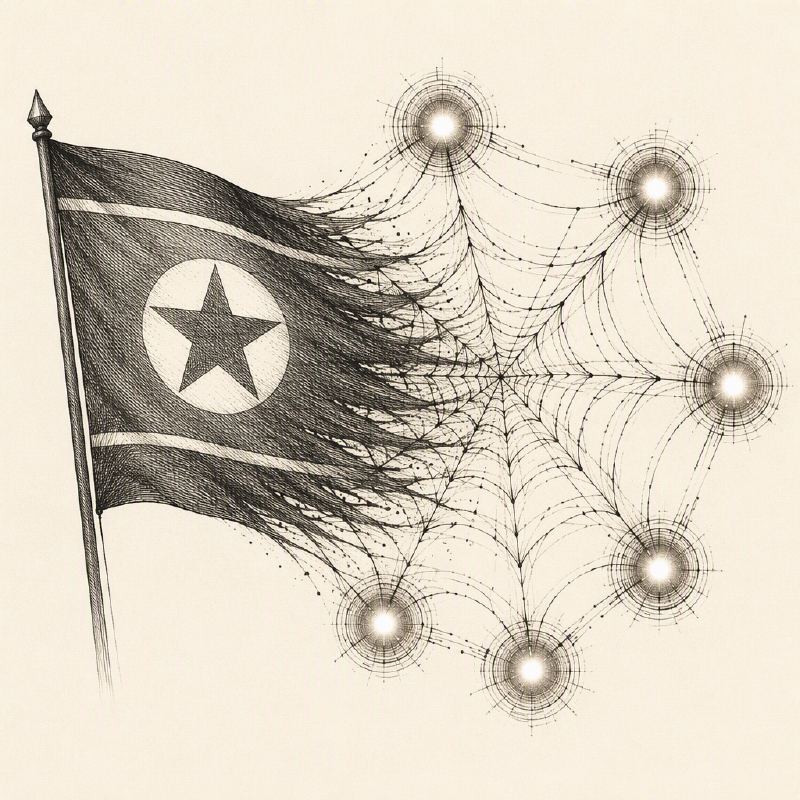
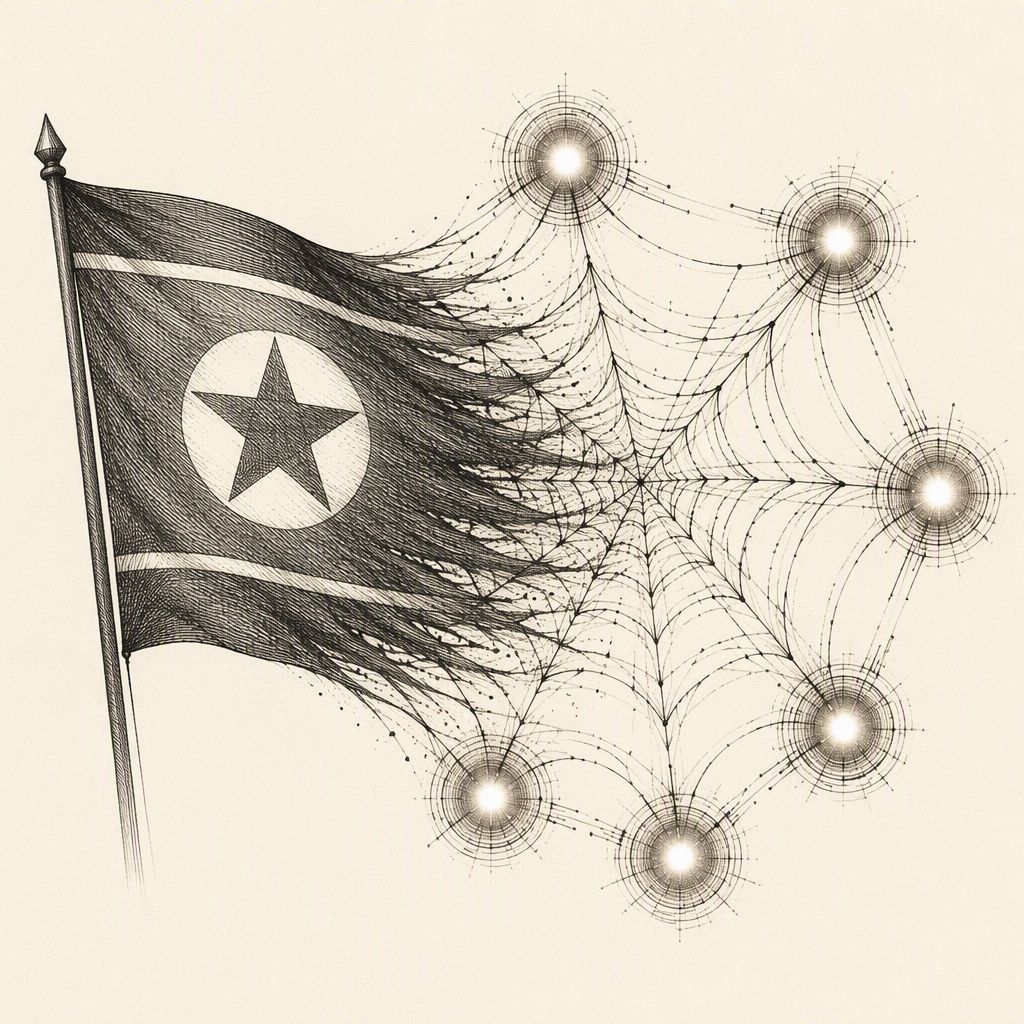
Sekoia and Kudelski Security have revealed that North Korea's notorious Lazarus threat group is not a monolithic entity but rather operates through six distinct, specialized cyber clusters. This organizational structure allows the state-sponsored actors to pursue a multi-faceted strategy encompassing espionage, financial theft, and sanctions evasion, demonstrating a sophisticated and adaptable approach to cyber operations.
The research highlights a significant evolution in how Lazarus conducts its operations. Instead of a single, unified effort, the group has compartmentalized its activities into specialized units. This division of labor likely enhances efficiency, allows for deeper focus on specific objectives, and potentially provides a degree of deniability or obfuscation for the broader North Korean cyber apparatus.
Each of these six clusters is reportedly tailored to specific mission sets. Some are dedicated to traditional cyber espionage, aiming to gather intelligence from foreign governments, defense contractors, and other strategic targets. Others are focused on direct financial gain, employing tactics such as cryptocurrency theft, ransomware, and fraudulent financial transactions to generate revenue for the regime.
A third key area of focus for these clusters is sanctions evasion. North Korea, heavily burdened by international sanctions, relies on illicit financial activities and the acquisition of restricted technologies to sustain its economy and military programs. The Lazarus clusters play a crucial role in facilitating these activities through sophisticated cyber means.
The findings underscore the persistent and evolving threat posed by North Korean state-sponsored cyber activity. The Lazarus group has long been a significant player in the global cybersecurity landscape, known for its high-profile attacks and its role in funding the North Korean regime. The revelation of its fragmented yet coordinated cluster structure suggests an ongoing effort to refine its capabilities and evade detection.
This detailed breakdown provides valuable insights for cybersecurity professionals and national security agencies. Understanding the distinct operational profiles of these clusters can aid in developing more targeted defensive strategies and attribution efforts. It also emphasizes the need for continuous monitoring of North Korean cyber activities across various domains and objectives.
The implications of this organizational shift are far-reaching. It suggests that attributing attacks to Lazarus may become more complex, as different clusters might employ varying tactics, techniques, and procedures (TTPs). However, the overarching coordination and shared objectives indicate that these clusters remain under the strategic direction of the North Korean state.
In conclusion, the identification of six distinct cyber clusters operating under the Lazarus umbrella marks a significant development in our understanding of North Korea's cyber warfare capabilities. This structured approach allows for a broader range of offensive operations, from intelligence gathering to direct financial exploitation and sanctions evasion, posing a continuous and evolving challenge to global cybersecurity.