
Node2Shell Vulnerability Exploits Brotli Decoder for Remote Code Execution
A critical Node2Shell vulnerability allows remote code execution in Node.js, Bun, and .NET by exploiting flaws in Google's Brotli decompression library.
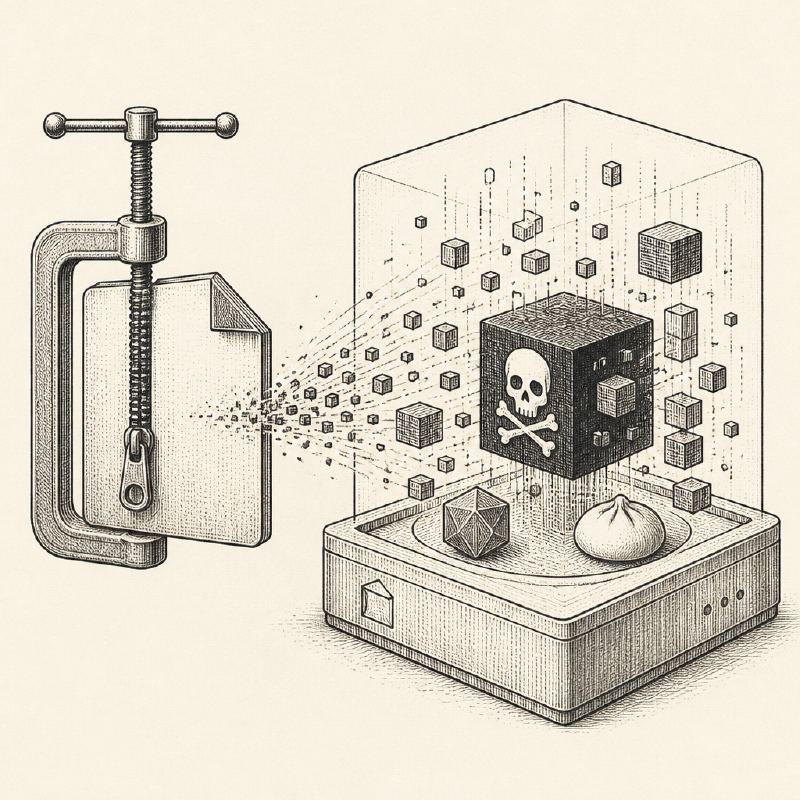

A newly identified vulnerability, dubbed Node2Shell, poses a significant remote code execution (RCE) risk across popular development platforms including Node.js, Bun, and .NET. The flaw stems from vulnerabilities within Google's Brotli decompression library, a widely used algorithm for compressing data, particularly on the web.
Attackers can leverage this vulnerability by crafting malicious Brotli-compressed files. When these files are processed by vulnerable applications, the flaws in the Brotli decoder can be triggered, leading to the execution of arbitrary code on the target system. This mechanism bypasses standard security controls by exploiting the decompression process itself.
The impact of Node2Shell is broad, affecting any application that relies on the affected Brotli decoder for handling compressed data. This includes server-side applications, development tools, and potentially client-side applications that process Brotli-compressed assets. The ease with which malicious files can be created and distributed amplifies the threat.
Security researchers at SentinelOne Labs have been actively investigating and detailing the exploitation techniques. Their analysis highlights how the vulnerability can be triggered through various means, often involving the manipulation of file metadata or the content of the compressed archive. The core issue lies in how the decoder handles malformed or unexpected data during the decompression phase.
Mitigation strategies are crucial for organizations running affected software. This includes updating to patched versions of Node.js, Bun, and .NET frameworks as soon as they become available. Additionally, implementing robust input validation for any Brotli-compressed files received from untrusted sources can serve as a vital defense layer.
SentinelOne has provided specific guidance and detection mechanisms within its platform to identify and block Node2Shell exploitation attempts. This proactive approach aims to protect customers by recognizing the unique indicators of compromise associated with this attack vector.
The discovery of Node2Shell underscores the ongoing challenge of securing complex software supply chains and third-party libraries. Vulnerabilities in foundational components like compression libraries can have far-reaching consequences, necessitating continuous vigilance and rapid patching across the ecosystem.