
NIST Finalizes Post-Quantum Cryptography Standards Amidst Federal Agency Lag
NIST has released its final guidance for post-quantum cryptography (PQC) standards, but a GAO report reveals federal agencies are significantly behind schedule in adopting these crucial defenses against future quantum computing threats.
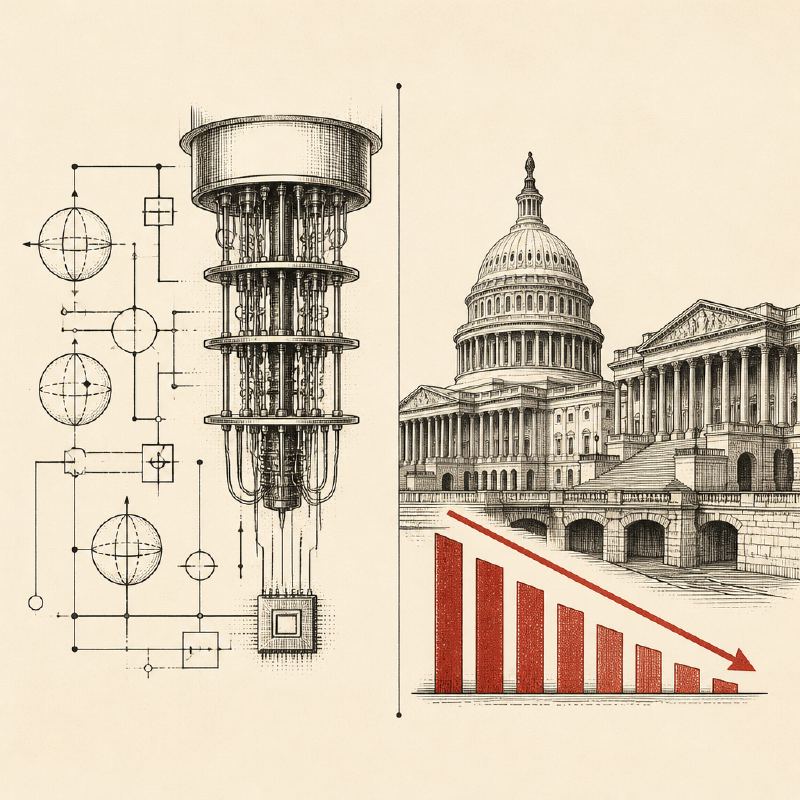
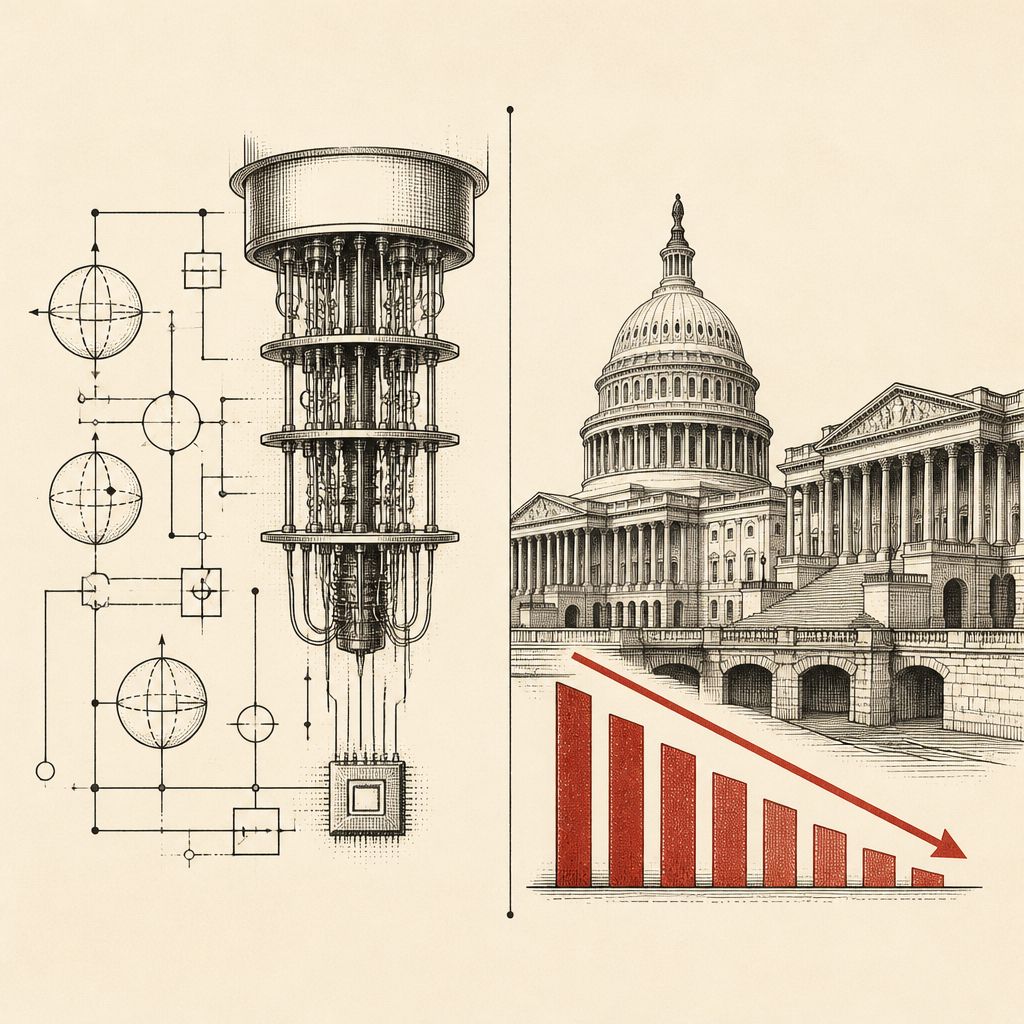
The National Institute of Standards and Technology (NIST) has finalized its guidance for the transition to post-quantum cryptography (PQC) standards, a critical move to safeguard sensitive data from the impending threat of quantum computers. This initiative aims to preemptively protect information that, if stolen today, could be decrypted by future quantum adversaries using the "harvest now, decrypt later" (HNDL) tactic. Despite NIST's efforts to provide a clear roadmap and set deadlines, a stark reality check comes from a new report by the U.S. Government Accountability Office (GAO), which indicates that federal agencies are lagging significantly in their preparations and adoption of these new cryptographic standards.
Quantum computing, while still largely theoretical for widespread practical application, poses an existential threat to current encryption methods. Its immense processing power could enable attackers to break the public- and private-key encryption algorithms that secure everything from financial transactions to classified government communications. NIST has identified this as a "pressing threat," emphasizing that preparations must begin now, even before cryptographically relevant quantum computers are a reality, due to the long lifespan of sensitive data and the ability of threat actors to exfiltrate data today for future decryption.
NIST's "Transition to Post-Quantum Cryptography Standards" report outlines a technical roadmap with deadlines, including a significant milestone of December 31, 2030, by which agencies are expected to implement migrations that mitigate quantum risks. However, the GAO report, which evaluated 24 major federal agencies, found that many have failed to complete even preparatory steps, such as cryptographic inventories and designating PQC migration leads, many of which had already passed. The watchdog's findings suggest a concerning gap between NIST's directives and the actual readiness of federal IT infrastructure.
The challenges facing federal agencies are multifaceted. The transition to PQC requires specialized mathematical and cybersecurity expertise, which many agencies currently lack. Furthermore, the reliance on legacy systems presents a significant hurdle, as migrating or replacing these older infrastructures can be a complex, time-consuming, and costly endeavor. NIST acknowledges these difficulties, urging organizations to treat the PQC migration as a "current operational priority" and to begin early deployments of PQC-enabled products and services to minimize disruption and risk.
The GAO report highlights that only half of the evaluated agencies fully agreed with its recommendations, with others hedging or not responding, indicating a potential lack of commitment or understanding of the urgency. The report underscores that if legacy systems cannot be migrated, they must be replaced, a process that could extend timelines considerably as the quantum threat looms larger. This situation is compounded by other GAO findings that reveal agencies are also struggling to implement recommendations for addressing current cybersecurity threats, with hundreds of past recommendations remaining unimplemented.
The "harvest now, decrypt later" threat is particularly concerning for data that retains its value for many years, such as trade secrets, personal health information, and national security intelligence. The delay in adopting PQC means that data compromised today could become vulnerable to decryption by adversaries in the near future, leading to potentially catastrophic breaches of confidentiality and integrity.
As the deadline of December 2030 approaches, the findings from both NIST and the GAO paint a picture of a critical cybersecurity transition that is not progressing quickly enough within the federal government. The report serves as a stark warning that without immediate and concerted action, federal agencies will remain highly susceptible to future quantum-enabled cyber threats, jeopardizing national security and sensitive citizen data.
This situation underscores the broader challenge of modernizing government IT infrastructure to meet evolving cyber threats. While NIST provides the standards, the GAO's assessment reveals a critical need for improved execution, resource allocation, and expertise development within federal agencies to ensure a timely and effective transition to post-quantum cryptography.