
Nine Nations Pledge to Secure AI Supply Chains Against Hostile Actors
The US-led 'Pax Silica' initiative has gained nine international signatories committed to safeguarding critical AI technologies from adversaries, primarily targeting China.
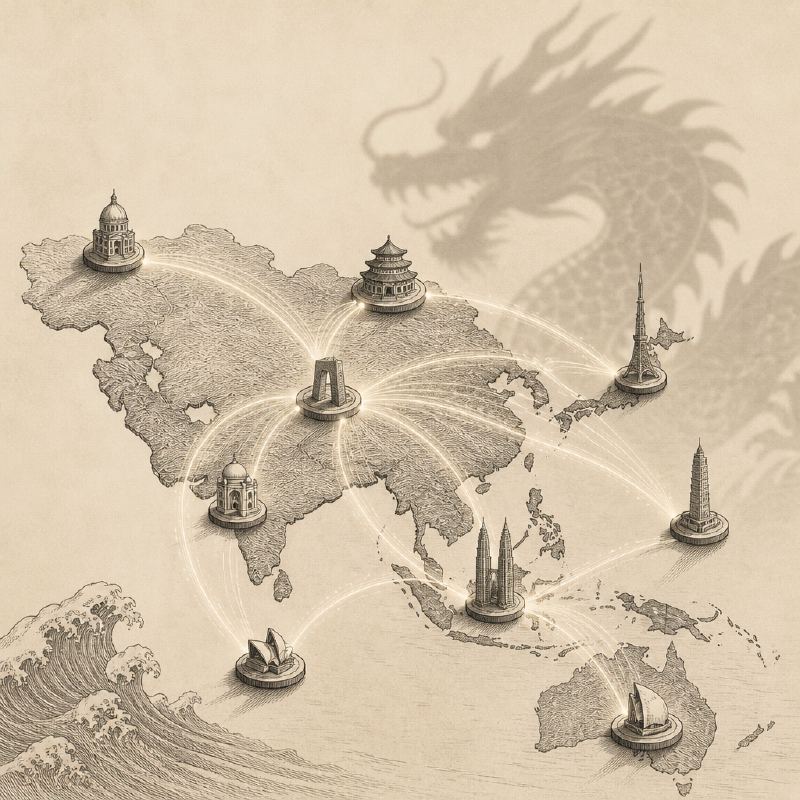
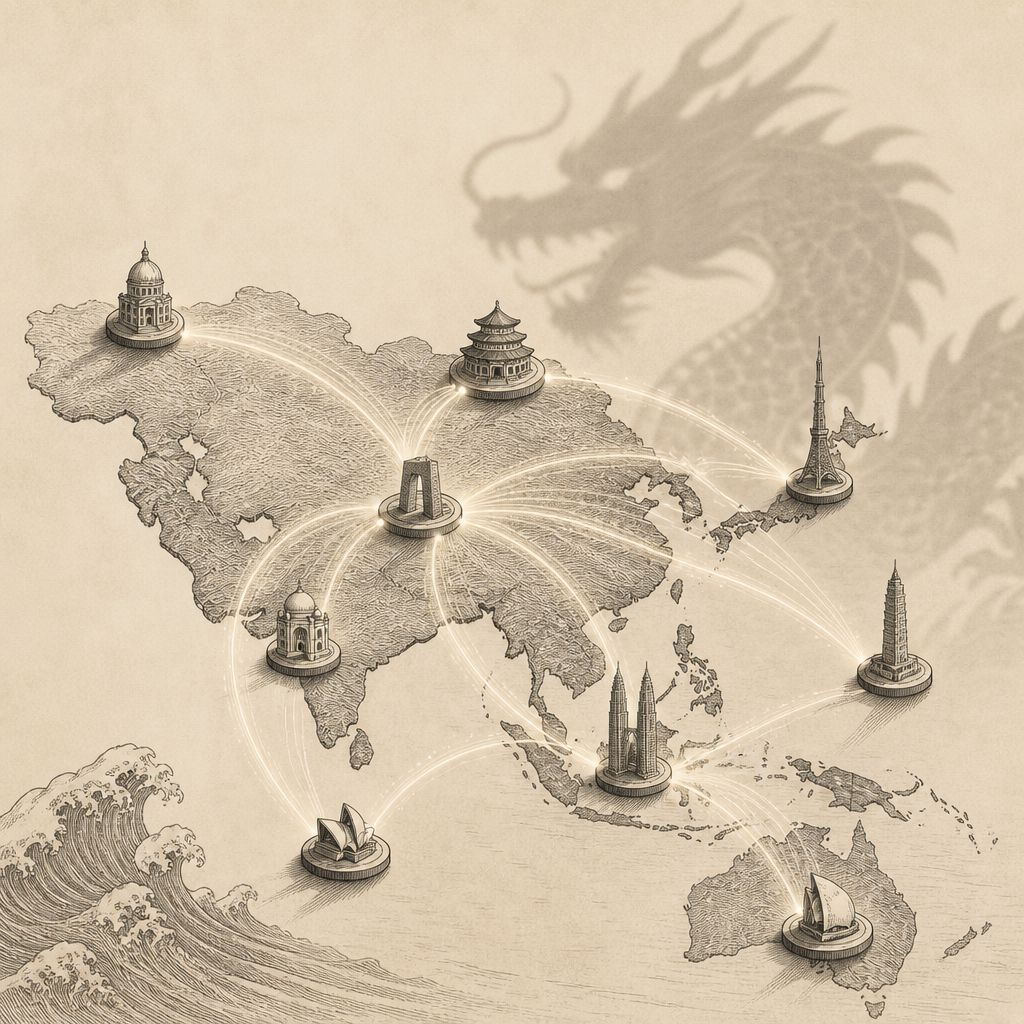
Nine countries, including the United Kingdom, have formally signed the San Francisco Declaration, a US-led initiative aimed at securing the global supply chains for artificial intelligence technologies. This move signifies a deepening commitment to a "working partnership with shared responsibilities" under the "Pax Silica" initiative, which was initially announced in December of the previous year.
The declaration explicitly targets "hostile actors," with a clear implication towards China, aiming to prevent the theft or illicit transfer of critical AI technologies. These technologies include foundation models, semiconductors, advanced manufacturing processes, and the raw materials and energy required for their production. The signatories recognize that the security of their nations is intrinsically linked to the security of their economies and those of their closest partners.
The core of the declaration lies in defining and protecting "key foundational technologies essential to economic security." This encompasses software, hardware components, knowledge, and inputs crucial for AI development. The signatories agree that any unauthorized transfer or misuse of these technologies that could confer a "meaningful military or intelligence advantage, or undue economic leverage" poses a significant risk to their collective national security.
Beyond digital and hardware components, the initiative also emphasizes the protection of critical infrastructure. This includes ports, transportation networks, communication systems, and the underlying ICT and energy infrastructure that these systems rely upon. The "Pax Silica" partners have committed to treating the security of these technologies and their supporting infrastructure as a shared responsibility, a significant step beyond previous, more isolated national efforts.
This multilateral agreement arrives amidst heightened geopolitical tensions and domestic pressure within the US to curb China's access to advanced AI capabilities. The initiative builds upon existing US export control measures and reflects a bipartisan consensus on the need to maintain a technological edge. The declaration was jointly released by the US, Australia, India, Israel, Japan, South Korea, Qatar, Singapore, the United Arab Emirates, and the United Kingdom.
The context for this declaration is further underscored by recent events, including reports of Chinese AI labs potentially circumventing US export controls to acquire advanced Nvidia chips. The initiative also follows a high-profile incident involving the former CEO of Nvidia, Jensen Huang, and allegations of sensitive hardware being diverted to Chinese entities. These events highlight the persistent challenges in enforcing export controls and the perceived need for a coordinated international approach.
US Under-Secretary of State for Economic Affairs Jacob Helberg emphasized the historic nature of the declaration, noting that partners have agreed to view the security of critical technologies and infrastructure as a collective duty. This collaborative framework aims to create a more resilient and secure AI ecosystem, mitigating risks associated with espionage, economic coercion, and the weaponization of advanced technologies by adversarial states.