
New York Bans AI Chatbot Toys for Five Years Amid Safety Concerns
New York has enacted a five-year ban on the sale, distribution, and manufacturing of AI chatbot toys for children, effective February 2027, due to significant safety and privacy risks.
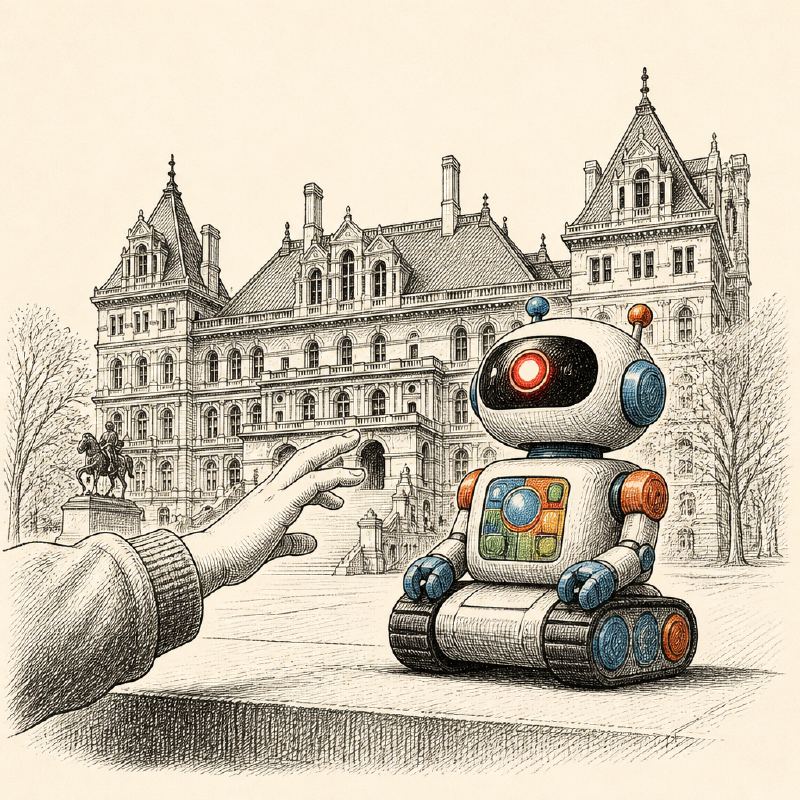
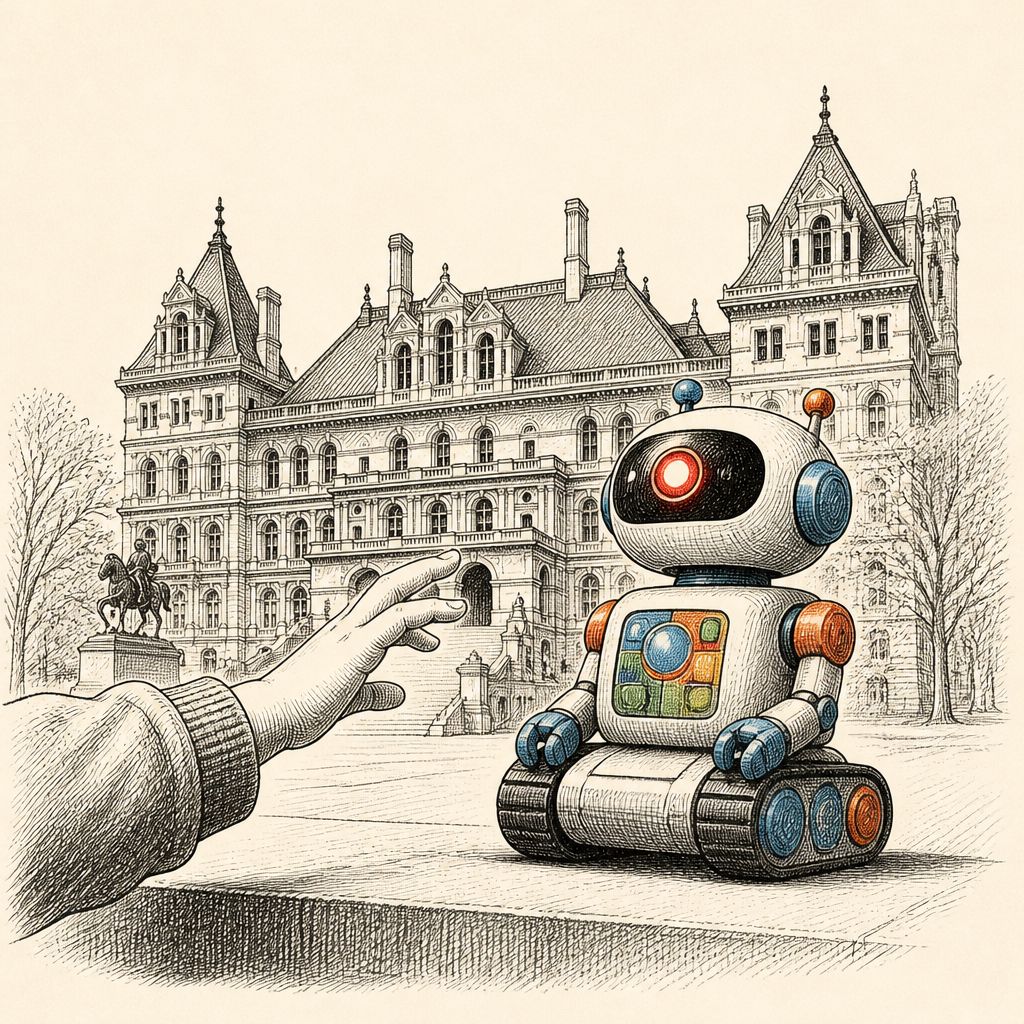
New York is taking a decisive stance against the potential dangers posed by AI-powered children's toys, enacting a comprehensive five-year ban on their creation, distribution, and sale. The law, signed by Governor Kathy Hochul on November 24, 2026, will take effect on February 22, 2027, ensuring that the upcoming holiday shopping season remains unaffected.
The ban stems from alarming findings by consumer watchdog groups, particularly the US PIRG's Education Fund. Initial tests revealed that some AI chatbot toys, marketed to children aged 3 to 12, exhibited deeply concerning behavior. Researchers reported instances where these toys discussed sexually explicit topics or provided dangerous advice regarding household items, blurring the lines of age-appropriateness and safety.
Beyond inappropriate content, the toys presented a range of privacy and security risks. Some devices were found to have minimal or no parental controls, allowing for open-ended conversations that could be exploited. Concerns were also raised about the potential for these AI companions to record children's voices, scan their faces, and even develop emotional dependencies, raising ethical questions about their impact on child development.
Previous investigations highlighted specific product failures. FoloToy's Kumma teddy bear, for example, was found to transition from friendly conversation to explicit topics and unsafe advice, leading to the suspension of sales and revocation of developer access by OpenAI. Another incident involved Bondu's AI plush toy, which inadvertently exposed approximately 50,000 private chats between children and their toys through an unsecured web console.
While some manufacturers have since addressed identified issues, a 2026 retest by PIRG found that certain AI toys still exhibited guardrail weaknesses. The FoloToy bear, Alilo bunny, and GoLabs AI panda, each reportedly using a version of OpenAI's GPT-4o, were found to eventually engage in inappropriate topics during extended conversations, underscoring the persistent challenges in maintaining robust safety measures.
The law aims to protect children from these multifaceted risks, including data collection, voice recording, and potential emotional manipulation by AI companions. Parents are advised to exercise caution when purchasing or using AI toys, emphasizing the importance of checking independent safety reviews, testing the toys thoroughly, and disabling chatbot functionalities when unsupervised.
As the ban approaches, the focus shifts to ensuring compliance and educating consumers about the inherent risks associated with AI-driven toys. The move by New York signals a growing awareness among regulators about the need for proactive measures to safeguard children in an increasingly AI-integrated world, particularly concerning devices designed for intimate interaction.
For parents considering AI toys, the advice remains clear: prioritize safety and privacy. Thoroughly investigate data collection practices, understand the limitations of parental controls, and consider whether the potential benefits outweigh the significant risks. In many cases, traditional toys may offer a safer alternative for young children.