
New Phishing Toolkit Leverages Passkeys for Persistent Account Access
A novel phishing toolkit, iAuthFlow V2, has emerged, employing passkeys to maintain unauthorized access to victim accounts even after password resets or session revocations.
A sophisticated new phishing toolkit, dubbed iAuthFlow V2, has been identified by researchers, introducing a novel method for threat actors to maintain persistent access to compromised accounts. Unlike traditional phishing campaigns that primarily focus on stealing passwords, this toolkit leverages the emerging technology of passkeys to bypass standard security recovery mechanisms.
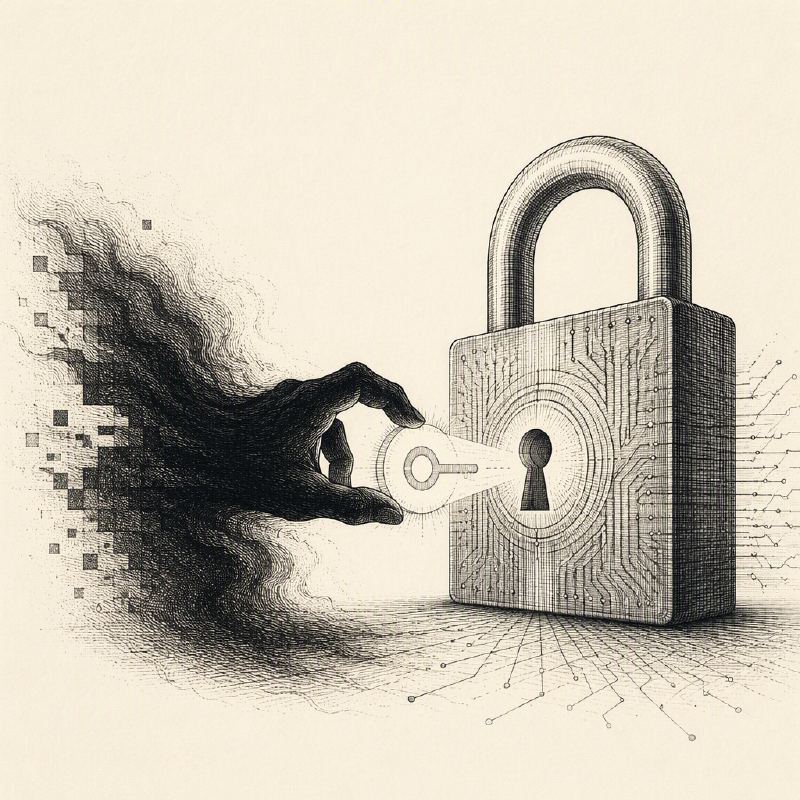
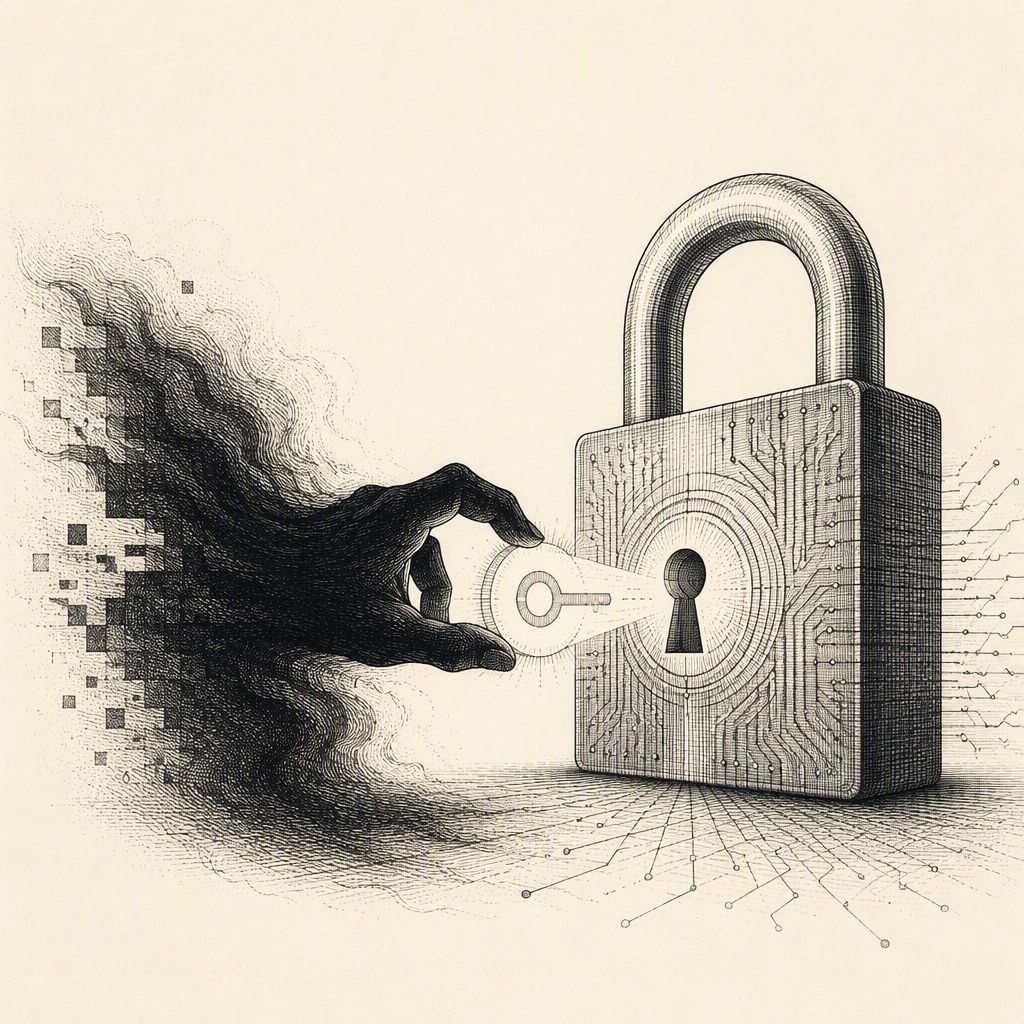
The core innovation of iAuthFlow V2 lies in its ability to register an attacker-controlled passkey to a victim's account. Passkeys, designed to offer a more secure and convenient alternative to passwords by using cryptographic key pairs, are typically linked to a user's device or biometric data. However, this toolkit exploits vulnerabilities in the account registration or recovery process to associate a passkey under the attacker's control with the legitimate user's account.
This technique presents a significant challenge to account security. Once an attacker-controlled passkey is registered, they can maintain access to the account. Crucially, this access persists even if the victim becomes aware of the compromise and proceeds to reset their password or revoke all active sessions. Traditional security measures that rely on password changes or session termination for account recovery are rendered ineffective against this attack vector.
The implications of this bypass are far-reaching. It undermines the security assurances provided by passkey technology and complicates incident response for organizations and individuals alike. Attackers could potentially use this persistent access for various malicious activities, including data exfiltration, further credential harvesting, or using the compromised account as a pivot point for broader network intrusions.
While the specific vulnerabilities within the passkey registration or recovery flows that iAuthFlow V2 exploits are not detailed in the initial reports, the discovery highlights the evolving tactics of phishing operations. As organizations and users increasingly adopt newer authentication methods like passkeys, threat actors are actively seeking ways to subvert these advancements.
Security researchers are urging vigilance and advising users to closely monitor their account activity, especially for any unexpected passkey registrations or authentication prompts. Organizations should review their account recovery and session management policies to ensure they are robust enough to handle such advanced bypass techniques, potentially requiring additional verification steps beyond simple password resets.
The emergence of iAuthFlow V2 underscores the dynamic nature of the cybersecurity threat landscape. It serves as a stark reminder that even seemingly secure authentication methods can be targeted by innovative attack methodologies, necessitating continuous adaptation of defensive strategies and user education.