
New Mirai Variant Enhances Botnet Stealth with Encrypted C2 and Sniffer
A new variant of the notorious Mirai botnet has emerged, featuring encrypted command-and-control communications and a sniffer to detect devices with default credentials, increasing its stealth and effectiveness.
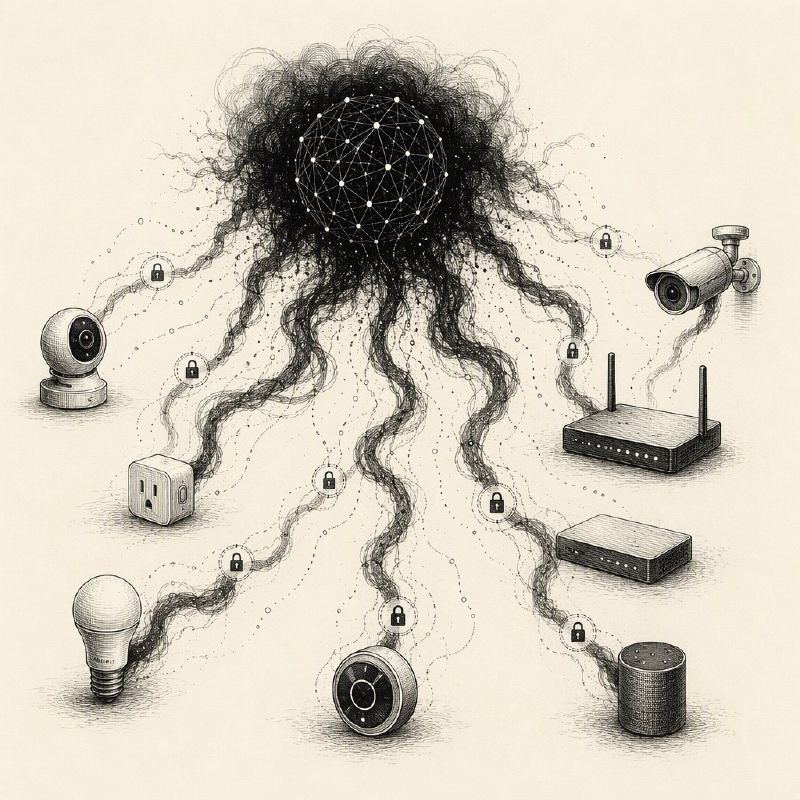
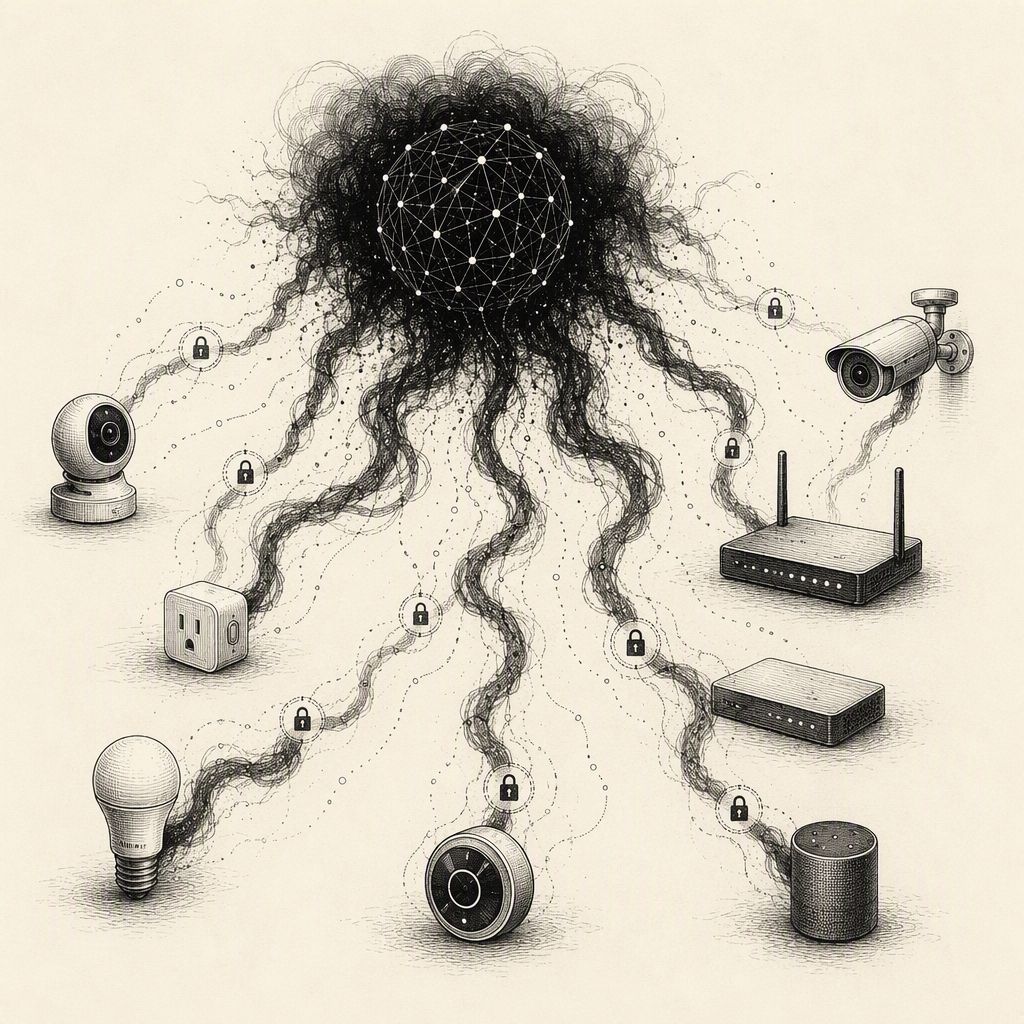
A fresh iteration of the Mirai botnet, a persistent threat to Internet of Things (IoT) devices, has been identified, incorporating significant enhancements to its operational capabilities. This latest variant focuses on improving its stealth and expanding its reach by introducing encrypted command-and-control (C2) communications and a sophisticated "sniffer" component.
The encrypted C2 channels are a crucial development, making it substantially harder for security researchers and network defenders to track and disrupt the botnet's operations. Traditional Mirai variants often rely on unencrypted protocols, which can be monitored and analyzed to understand the botnet's infrastructure and command structure. By encrypting these communications, the new variant aims to evade detection and maintain persistent control over its compromised devices.
Complementing the encrypted C2, the botnet now includes a "sniffer" module. This component actively scans networks for IoT devices that are still configured with their default factory login credentials. Such devices are prime targets for botnets like Mirai, as they represent low-hanging fruit for attackers seeking to expand their botnet's size and power.
Mirai, first discovered in 2016, gained notoriety for its ability to launch massive Distributed Denial of Service (DDoS) attacks by compromising a vast number of unsecured IoT devices, such as routers, cameras, and smart home appliances. Its success stemmed from its simple yet effective method of scanning for devices with weak or default credentials and then infecting them with its malicious payload.
The implications of this new variant are significant. The increased stealth afforded by encrypted communications means that compromised devices may remain undetected for longer periods, potentially contributing to larger and more impactful DDoS attacks. Furthermore, the active sniffing for default credentials suggests a continued aggressive campaign to onboard new devices into the botnet.
Security experts are urging users and organizations to take immediate steps to secure their IoT devices. This includes changing default passwords to strong, unique credentials, disabling unnecessary services, and ensuring devices are running the latest firmware. Regularly updating IoT devices and network infrastructure is paramount to mitigating the risk posed by evolving threats like this Mirai variant.
While the specific threat actors behind this new Mirai variant remain unknown, the continuous evolution of such botnets underscores the ongoing challenges in securing the rapidly expanding landscape of connected devices. The trend towards more sophisticated evasion techniques highlights the need for proactive security measures and continuous monitoring of IoT environments.
This development serves as a stark reminder that the threat posed by IoT botnets is far from over. As attackers refine their tools and techniques, the importance of basic security hygiene, such as strong password management and regular updates, cannot be overstated in the ongoing battle against widespread cyber threats.
The Evooo1Bot variant builds upon the original Mirai framework, introducing advanced capabilities that allow it to transform compromised edge devices into persistent proxies. This evolution signifies a growing trend of Mirai's adaptability and its continued threat to IoT and edge computing infrastructure.