
New Framework Maps Decade-Long Ransomware Operations by Unmasking Actors
A novel identity graph analysis framework developed by Flare threat researcher Assaf Morag aims to unmask persistent ransomware actors and their interconnected operations, offering deeper insights for attribution and disruption.
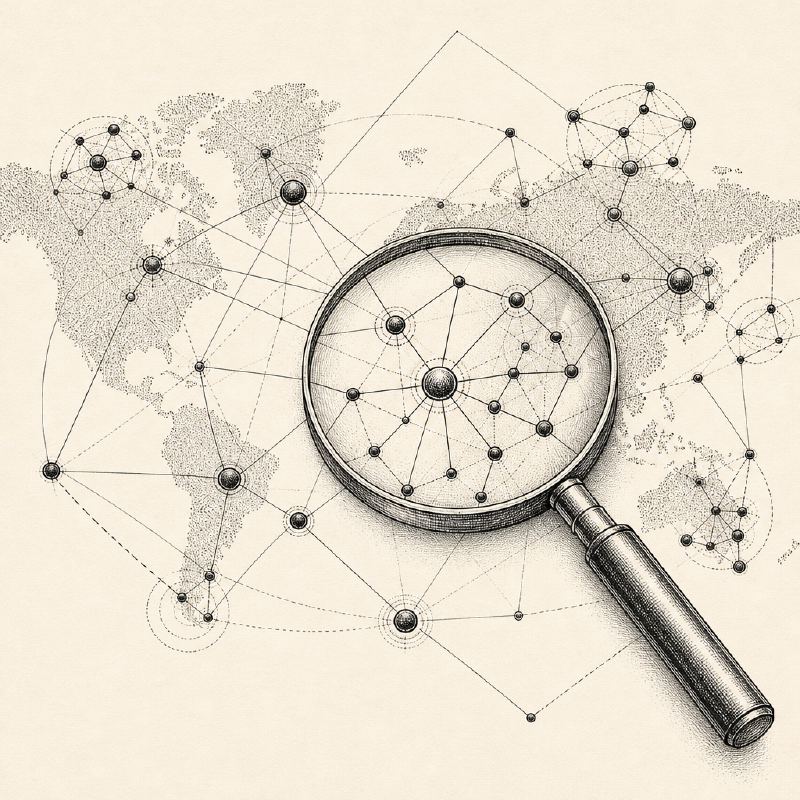
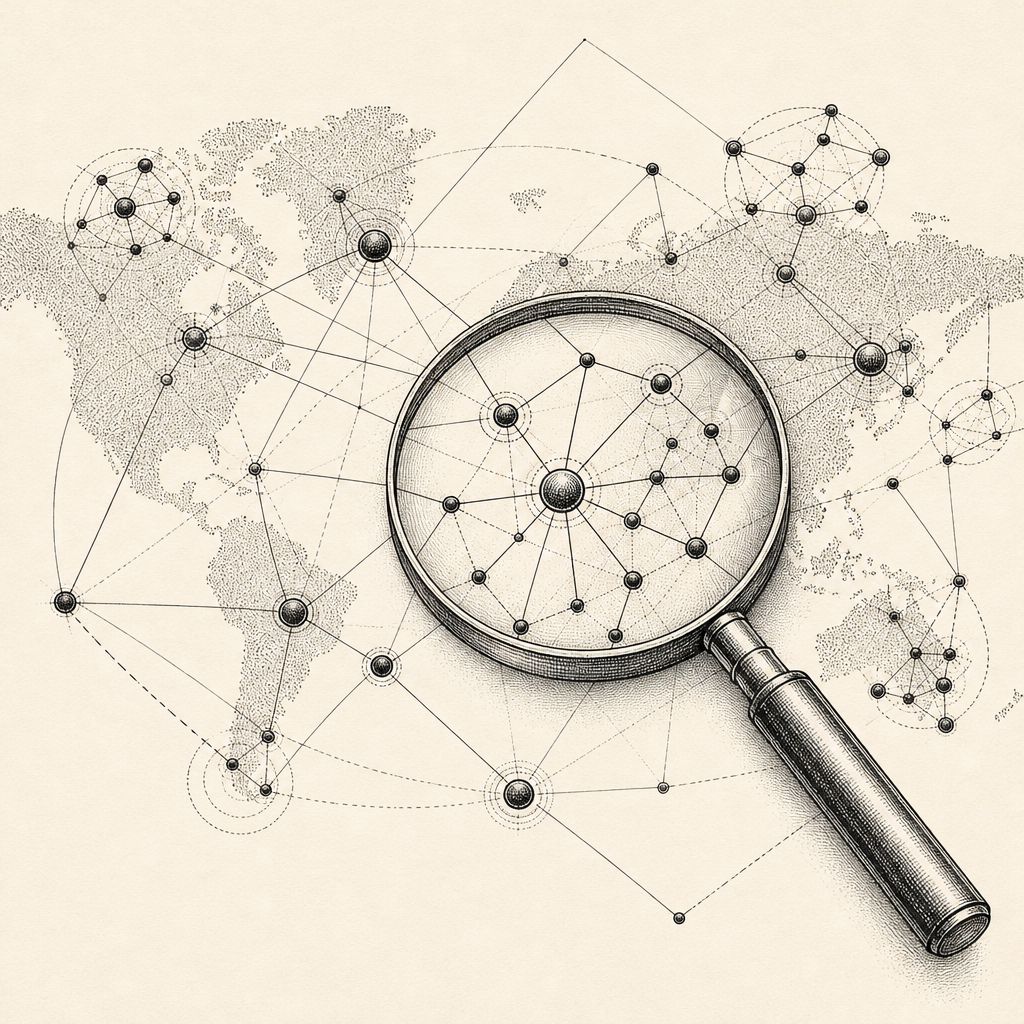
The complex and often opaque world of ransomware operations is becoming clearer thanks to a new framework developed by Flare threat researcher Assaf Morag. This innovative methodology, based on identity graph analysis, allows security teams and law enforcement to trace and connect disparate ransomware campaigns and actors, potentially unmasking individuals and their decade-long criminal enterprises. The goal is to provide actionable intelligence for attribution and disruption, moving beyond the surface-level understanding of "who" is behind an attack to a deeper comprehension of the entire ecosystem.
Morag's framework is designed to help defenders and law enforcement take a more proactive approach to ransomware risk by better understanding the persistent threat landscape. When applied during research, it can uncover the inner workings of these operations, including crucial indicators of compromise (IoCs) vital for incident-response investigations. Furthermore, it enables researchers to identify connections between various threat actors and groups, a critical capability as new ransomware gangs emerge annually. Mapping these connections is also vital for documenting the tactics, techniques, and procedures (TTPs) that ransomware groups employ, helping defenders predict their behavior as they adapt and acquire new tools.
Morag will present his repeatable investigative methodology for mapping criminal organizations at Black Hat Europe 2026, allowing others to reproduce his research or apply the process to new investigations. His initial research focused on initial access brokers (IABs) operating on Dark Web forums, but he quickly realized the interconnectedness of threat actors was too vast to dissect with existing resources. What initially took two months of manual work to connect gang operators and affiliates to IABs was reduced to just three hours once the framework was developed.
The framework's construction involved a detective-like approach, gathering clues from forums and chat posts and categorizing them as "hard evidence" (specific messaging IDs, emails, chat handles) versus "soft evidence" (writing styles, typos, reused phrases). Once a clue was verified, it could be used to search for other connections, eventually building a massive map of interconnected identities. Morag's findings confirm that ransomware attacks are rarely isolated incidents, often mirroring legitimate businesses with distinct roles for each participant, making attribution challenging.
One striking example of this interconnectedness was a Dark Web forum notification translated from Russian, stating, "We are the oldest international Russian ransomware affiliate program." While the group claimed to have emerged in 2018, Morag's analysis of underground forum discussions revealed some members had been active since 2010. The primary method for tracing these connections involved tracking Tox IDs, which allowed Morag to unveil the true identities behind the fake personae and generic aliases commonly used by threat actors.
Ransomware ecosystems frequently utilize communication platforms like Tox, Discord, Telegram, and Jabber for various purposes, including payment negotiations and affiliate recruitment. By tracking a specific Tox address, Morag could identify a consistent endpoint, regardless of whether it was cloud-based or a personal computer. This consistency is crucial because threat actors often operate under multiple aliases, but their underlying communication infrastructure can reveal their persistent identity.
Morag's investigation, empowered by his framework, identified six distinct layers of operational roles within the ransomware business flow: the ransom layer (developers of ransomware and loader malware), the deployment layer (gang operators and affiliates), pen-testers (those who probe for weaknesses), dealers (initial access brokers), fraud recovery specialists (negotiators and settlement arrangers), and crypto drainers (those who process stolen keys and drain wallets). This layered approach highlights the sophisticated, business-like structure of modern ransomware operations.
An especially surprising link discovered during the investigation was the connection between seemingly legitimate fraud-recovery firms and ransomware deployers. This finding underscores the blurred lines within the cybercrime economy and the challenges in distinguishing legitimate service providers from those complicit in criminal activities, further emphasizing the need for advanced analytical tools like Morag's framework.