
New Aoki Infostealer Targets AI Coding Assistant Credentials
The Aoki infostealer is actively targeting API keys and tokens for popular AI coding assistants like Claude and Gemini, posing a significant risk to developer accounts and sensitive project data.
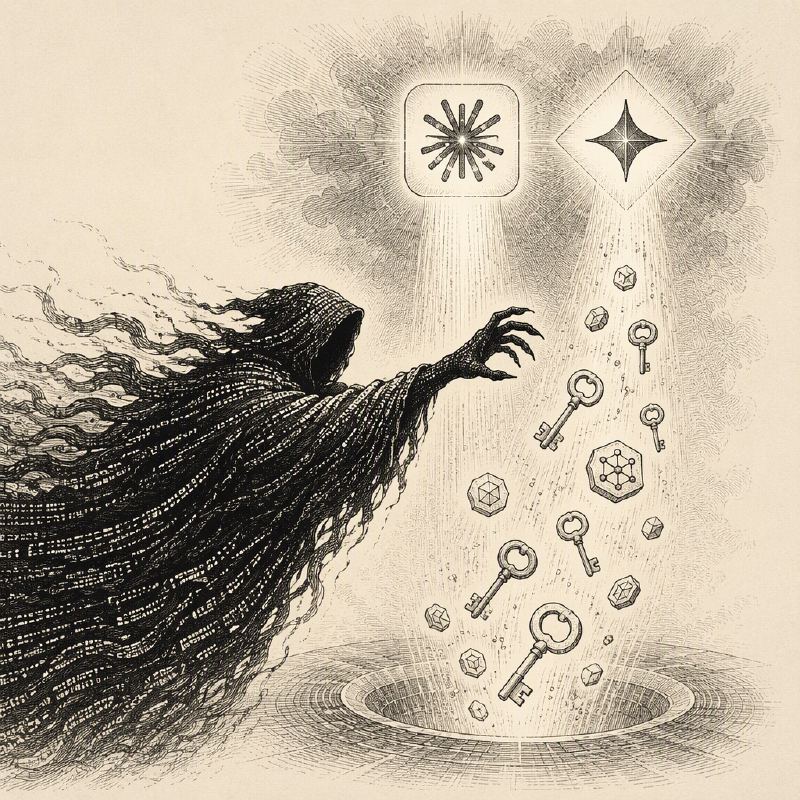

A new malware strain dubbed "Aoki" has emerged, specifically designed to pilfer credentials from widely used AI coding assistants. Security researchers at Symantec have identified this infostealer, which poses a direct threat to developers who rely on these tools for their daily workflows.
Aoki's primary objective is to harvest API keys and authentication tokens associated with AI coding assistants. These credentials are vital for accessing services like Anthropic's Claude and Google's Gemini, which offer powerful code generation, debugging, and analysis capabilities. By stealing these tokens, attackers can gain unauthorized access to developer accounts, potentially leading to the compromise of proprietary code, sensitive project data, and intellectual property.
The proliferation of AI coding assistants has revolutionized software development, offering significant productivity gains. However, this increased reliance also creates new attack vectors. As developers integrate these tools more deeply into their development pipelines, the sensitive information stored within their configurations or session data becomes an attractive target for threat actors.
Symantec's analysis indicates that Aoki is capable of extracting these sensitive credentials from various sources on a compromised system. The exact methods of exfiltration are still under investigation, but the threat is considered active and evolving. The potential impact extends beyond individual developers, as compromised accounts could be used to inject malicious code into software projects or to pivot to other systems within an organization's network.
This emerging threat underscores the growing need for robust security practices around AI development tools. Organizations and individual developers must be vigilant about securing their AI assistant accounts and API keys. This includes implementing strong, unique passwords, enabling multi-factor authentication wherever possible, and regularly reviewing access permissions.
Furthermore, the development of specialized malware like Aoki highlights a trend where threat actors are adapting their tactics to target the evolving technological landscape. As AI becomes more integrated into critical infrastructure and business processes, the security implications become increasingly significant. The compromise of AI coding assistants could have far-reaching consequences, impacting software integrity and the security of AI-driven applications themselves.
While specific details on Aoki's distribution or the full scope of its victims are still emerging, the discovery serves as a critical warning. Developers and security professionals alike must prioritize the security of AI tools and the credentials associated with them to mitigate the risks posed by this new wave of targeted threats.