
New $7 SweepLED Device Uses Smartphone to Detect Hidden Cameras
Researchers have developed SweepLED, a low-cost smartphone accessory that uses LEDs and computer vision to detect hidden cameras in hotel rooms and rentals, achieving 93.9% accuracy.
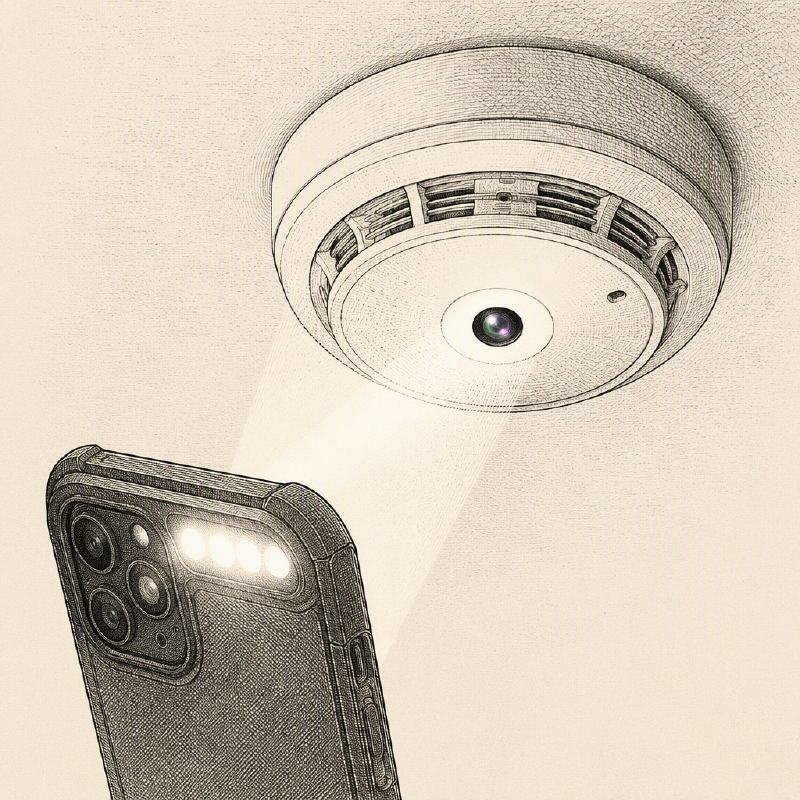
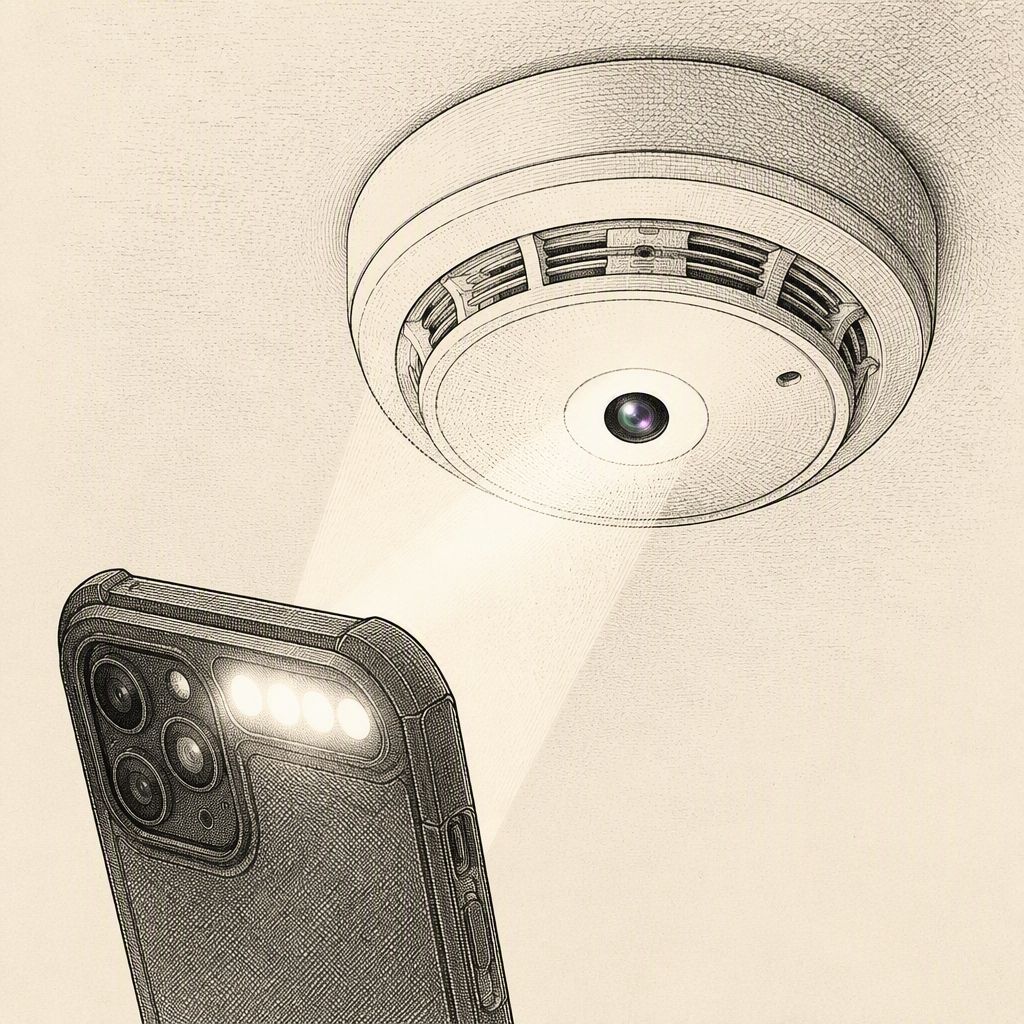
Travelers concerned about privacy in hotel rooms and short-term rentals now have a potential new ally in the fight against hidden cameras. Researchers have unveiled SweepLED, an innovative and inexpensive smartphone accessory designed to detect concealed surveillance devices.
The $7 gadget employs a combination of an LED-equipped phone case, computer vision, and machine learning to identify the tell-tale optical signatures of camera lenses in under five seconds. This development addresses a significant challenge for travelers, as hidden cameras are frequently disguised within everyday objects like clocks, smoke detectors, and power banks, making manual detection difficult and time-consuming.
Traditional methods for finding hidden cameras often rely on costly equipment or manual checks that can be prone to false alarms. These issues arise because many glossy surfaces, such as plastic or glass, can mimic the appearance of a camera lens to the naked eye or basic detection tools. SweepLED aims to overcome these limitations by employing a more sophisticated approach to light analysis.
The SweepLED system attaches a compact array of LEDs to a smartphone case. Unlike static light sources, these LEDs illuminate a suspected object from multiple angles in a controlled sequence, while the phone's camera remains stationary. This dynamic illumination technique exploits subtle differences in how camera lenses and ordinary reflective surfaces interact with light.
According to the research, glossy surfaces typically produce bright reflections that shift position as the light source moves. In contrast, a camera lens, due to its internal structure including the lens, aperture, and image sensor assembly, can create more stable and distinct reflections. SweepLED captures a short video during its LED sequence, analyzes frames, and uses a machine-learning classifier to determine if the detected reflections are indicative of a camera lens.
In testing, the SweepLED prototype demonstrated impressive results. It was evaluated against 12 different hidden camera objects and 18 non-camera reflective items. The system achieved an overall detection accuracy of 93.9%, successfully identifying hidden cameras in approximately 95% of the test objects while maintaining a low false-positive rate of 7.2% on non-camera items. Each scan of an object takes roughly 4.5 seconds.
While SweepLED is not a foolproof guarantee against all hidden cameras—its effectiveness can be reduced by heavily tinted or opaque materials, or when scanning from a distance—it represents a significant step towards making hidden camera detection more accessible and affordable. The researchers envision the technology being integrated into future smartphone cases or even built directly into smartphones, offering a readily available privacy tool for the public.