
NetScaler Zero-Days Highlight Evolving Threat Landscape and Faster Defense
Multiple zero-day exploits targeting Citrix NetScaler devices in September 2026 underscore a concerning trend of critical infrastructure being targeted, but also showcase improved defensive capabilities in rapid detection and response.
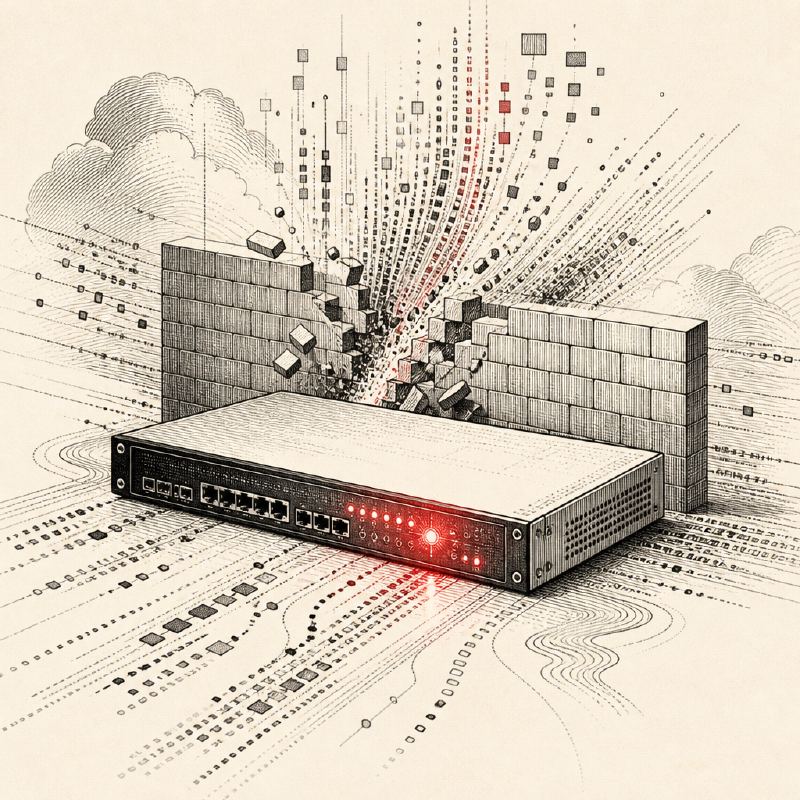
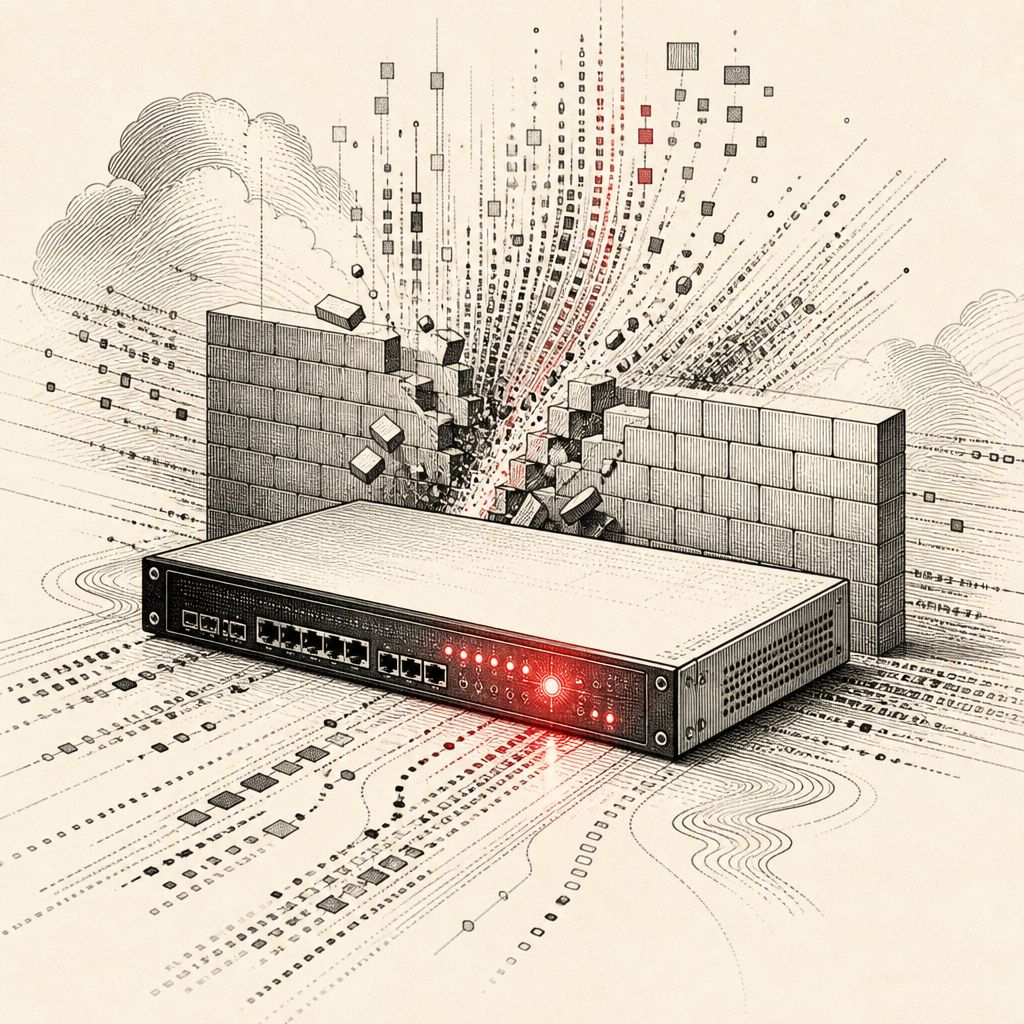
Citrix NetScaler devices, critical components at the network edge for many organizations, became the target of multiple zero-day exploits in September 2026. These attacks, which targeted both NetScaler ADC and Gateway appliances, highlight a persistent challenge in cybersecurity: the exploitation of high-value, internet-facing infrastructure before patches are widely deployed. The nature of NetScaler's role as a consolidated edge solution—acting as a reverse proxy, load balancer, Web Application Firewall (WAF), and SSL VPN—makes it an exceptionally attractive target for threat actors seeking broad control over an organization's external communications.
The exploitation campaign began in mid-September, with threat actors leveraging undisclosed vulnerabilities. The rapid detection of suspicious activity by Dutch government threat analysts and private sector incident responders was a crucial early warning. By the weekend of September 26, advisories urged administrators to take immediate action, including restricting or disconnecting affected deployments. Citrix responded swiftly, releasing patches for a series of unauthenticated remote code execution vulnerabilities, tracked as CVE-2026-88771 through CVE-2026-88778.
While the need for emergency, weekend patching is never ideal, the swift response and detection in this incident reflect significant advancements in modern cybersecurity defenses. Global telemetry and monitoring capabilities have improved dramatically, allowing security professionals to identify novel, undocumented zero-days much faster than in the past. This enhanced visibility is shrinking the operational lifespan of zero-day campaigns, a stark contrast to previous years where such exploits could remain undetected for weeks or months.
Furthermore, vendor coordination and vulnerability response cadences have accelerated. Citrix, for instance, demonstrated a commitment to urgency by establishing a dedicated NetScaler CNA and reducing its average response time for bug discovery to CVE disclosure. This speed is crucial in mitigating the impact of zero-day attacks. The rapid patching cycle for these NetScaler vulnerabilities, occurring within days of initial detection, exemplifies this improved vendor responsiveness.
Government advisory bodies like CISA are also adapting to this faster-paced threat environment. The emergency addition of these NetScaler vulnerabilities to the Known Exploited Vulnerabilities (KEV) catalog on a Sunday signals a potential increase in weekend and holiday updates to public KEV lists. This rapid inclusion allows organizations to prioritize patching efforts for known exploited vulnerabilities, further closing the window for attackers.
Looking ahead, NetScaler operators should remain vigilant for potential secondary advisories. The sequential nature of CVE assignment means that gaps in the current numbering (CVE-2026-88779 through CVE-2026-88787) suggest that additional vulnerabilities might be disclosed. Maintaining robust and agile patch management pipelines is essential to address any further updates promptly.
Ultimately, the exploitation of consolidated edge devices like NetScaler is likely to continue due to their high impact potential. However, the collective ability to detect, coordinate, patch, and track perimeter inventory has never been sharper. By prioritizing asset visibility, maintaining clean inventory data, and preparing for emergency patch deployment, security teams are better equipped than ever to navigate the evolving landscape of internet-facing threats and respond effectively to emerging emergencies.