
NATS Air Traffic Control Failure Cost UK Economy £33m
An IT failure at NATS, the UK's air traffic services provider, resulted in significant economic losses exceeding £33 million, highlighting critical infrastructure risks.
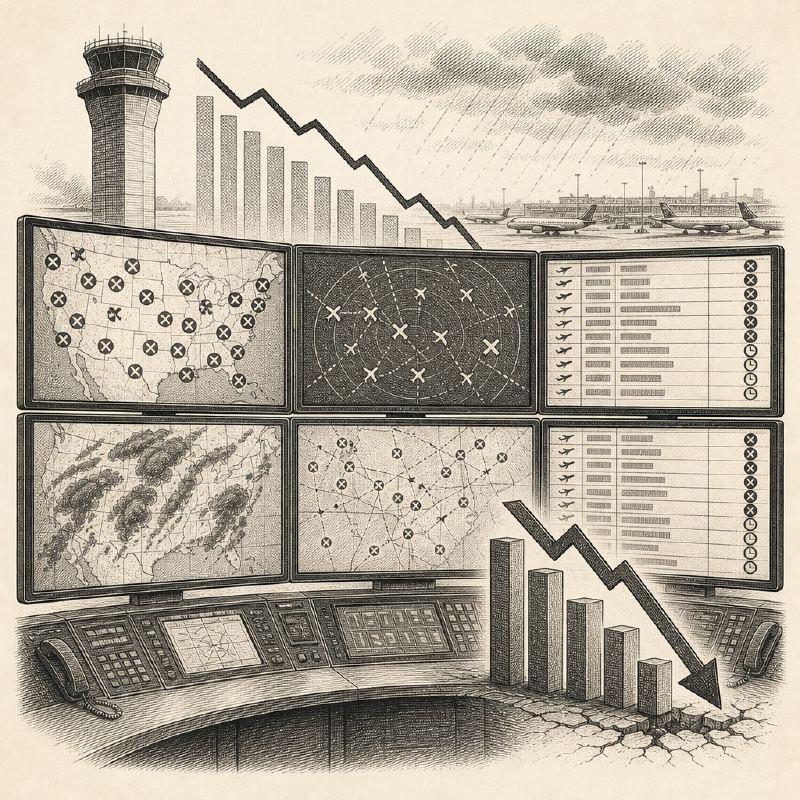
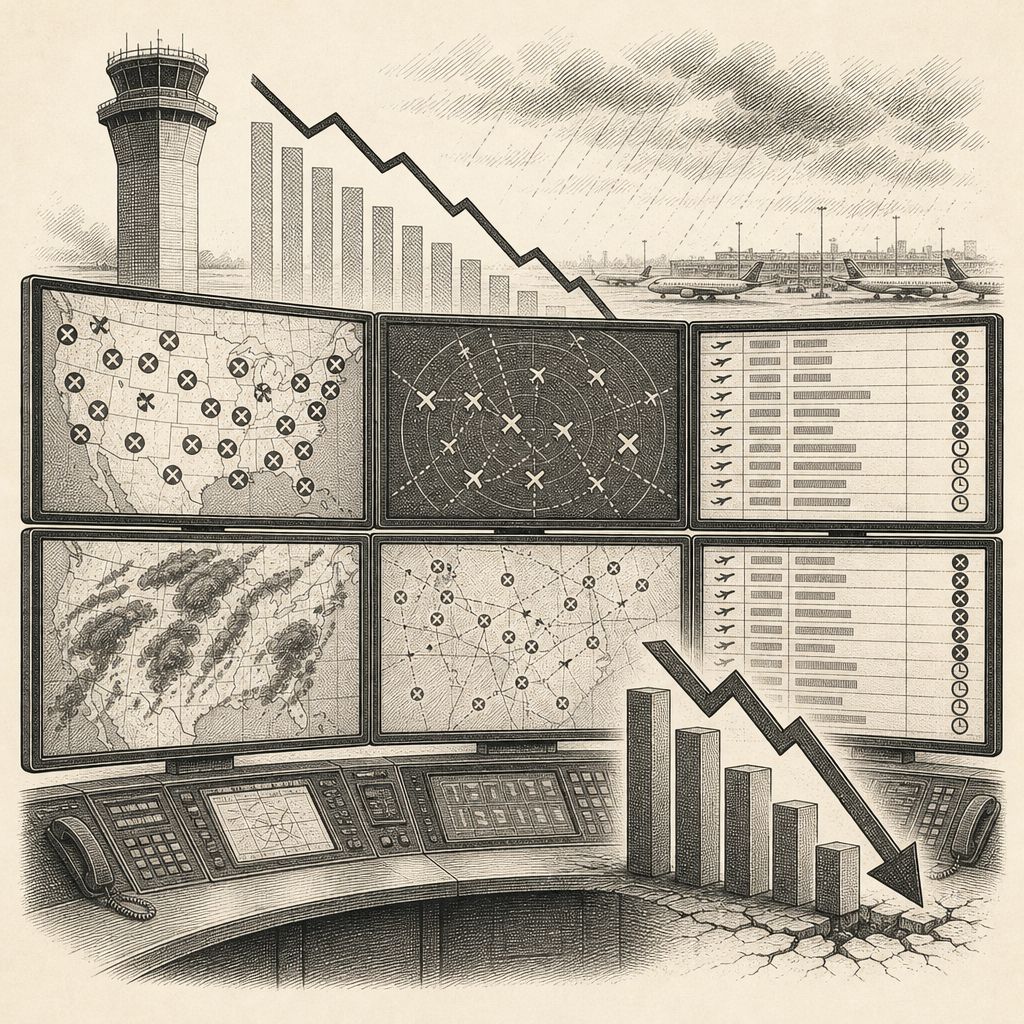
A significant IT failure at the UK's National Air Traffic Services (NATS) in September, while not attributed to a cyber incident, has resulted in substantial economic losses estimated to be around £33 million. The Cyber Monitoring Centre (CMC) reported that the disruption affected approximately 70 domestic organizations, with the modelled cost potentially reaching as high as £42 million. This figure accounts for the impact on UK airlines, airports, ground operations, and tour operators due to 1152 flight cancellations, alongside numerous delays and diversions.
If the financial impact on overseas airlines is factored in, the total cost could escalate to as much as £76 million, based on an estimated 1800 flight cancellations. The CMC's assessment focused on the economic repercussions for UK entities, not including those abroad. The incident directly affected an estimated 450,000 passengers who experienced cancellations or delays exceeding two hours.
The incident underscores the persistent challenge of enhancing business and IT resilience within critical sectors, drawing parallels to the 2024 CrowdStrike software failure. The CMC noted that the NATS failure, like the CrowdStrike incident, demonstrates how a single critical technology outage can trigger widespread disruption across numerous UK organizations. The significance of the NATS event lies not in the magnitude of the financial loss, but in its revelation of the aviation system's vulnerabilities: a brief failure in one core system cascaded into multi-day schedule disruptions, with the financial burden falling predominantly on airlines and other associated businesses rather than NATS itself.
The root cause of the outage was identified as a previously unknown defect in the legacy software of the National Airspace System (NAS). This defect manifested when a routine request for an aircraft identification code and a higher-priority system message collided within a millisecond timeframe. Corrupted flight data began appearing at 10:00 AM, leading to a complete halt of all UK departures by 12:45 PM. The situation escalated when an automated system link was lost at 1:32 PM, prompting NATS to declare a major incident and implement manual fallback procedures, which included severe traffic restrictions.
Although the flight data system was successfully restored within three and a half hours, the flight restrictions remained in place until the evening. The broader impact on air travelers, however, persisted for a considerably longer period. The CMC has put forth several recommendations for the aviation industry to improve its response to similar future events. These include a thorough review of coordination mechanisms between NATS, airlines, and airports during the downtime, an examination of whether earlier and more frequent assessments of expected outage durations could have enabled airlines and airports to mitigate disruption more effectively, and the development of contingency plans for "multi-hour restrictions in air traffic capacity" that account for scenarios extending well beyond the initial outage period.
Ciaran Martin, chair of the CMC's technical committee, emphasized the broader lesson: "Organizations need to understand and plan for the risks that sit in systems they depend on, not just the systems they own." The CMC further cautioned that the risk of outages stemming from unidentified software defects is amplified as long as NATS continues to rely on its legacy systems. This situation highlights the ongoing need for modernization and robust risk management in critical national infrastructure.