
ModSecurity Vulnerabilities Enable Web Application Firewall Bypass
Multiple vulnerabilities in OWASP ModSecurity allow attackers to bypass web application firewall protections by exploiting parsing differences and malformed input.
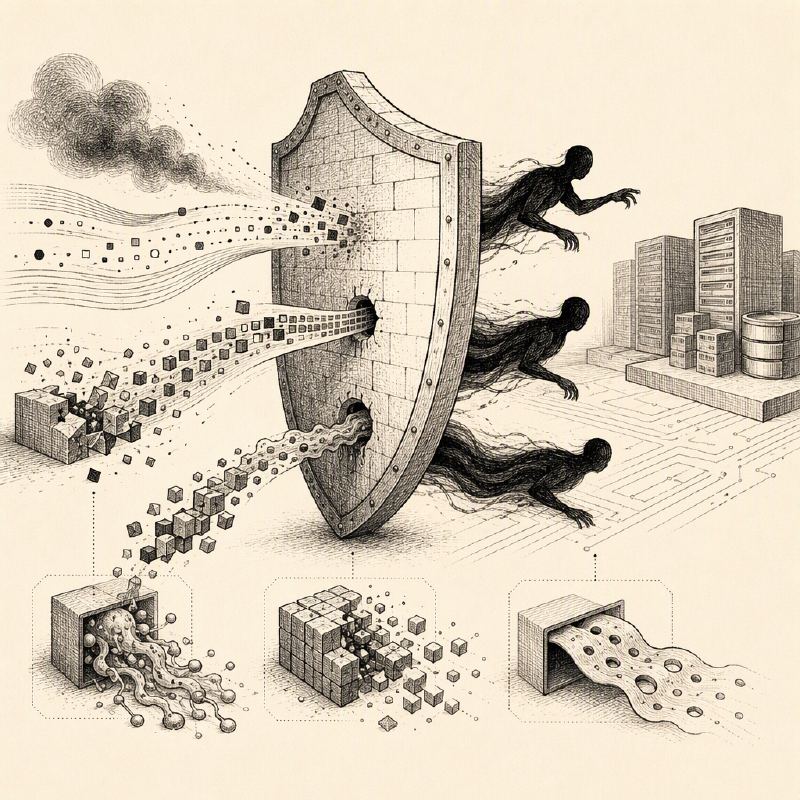
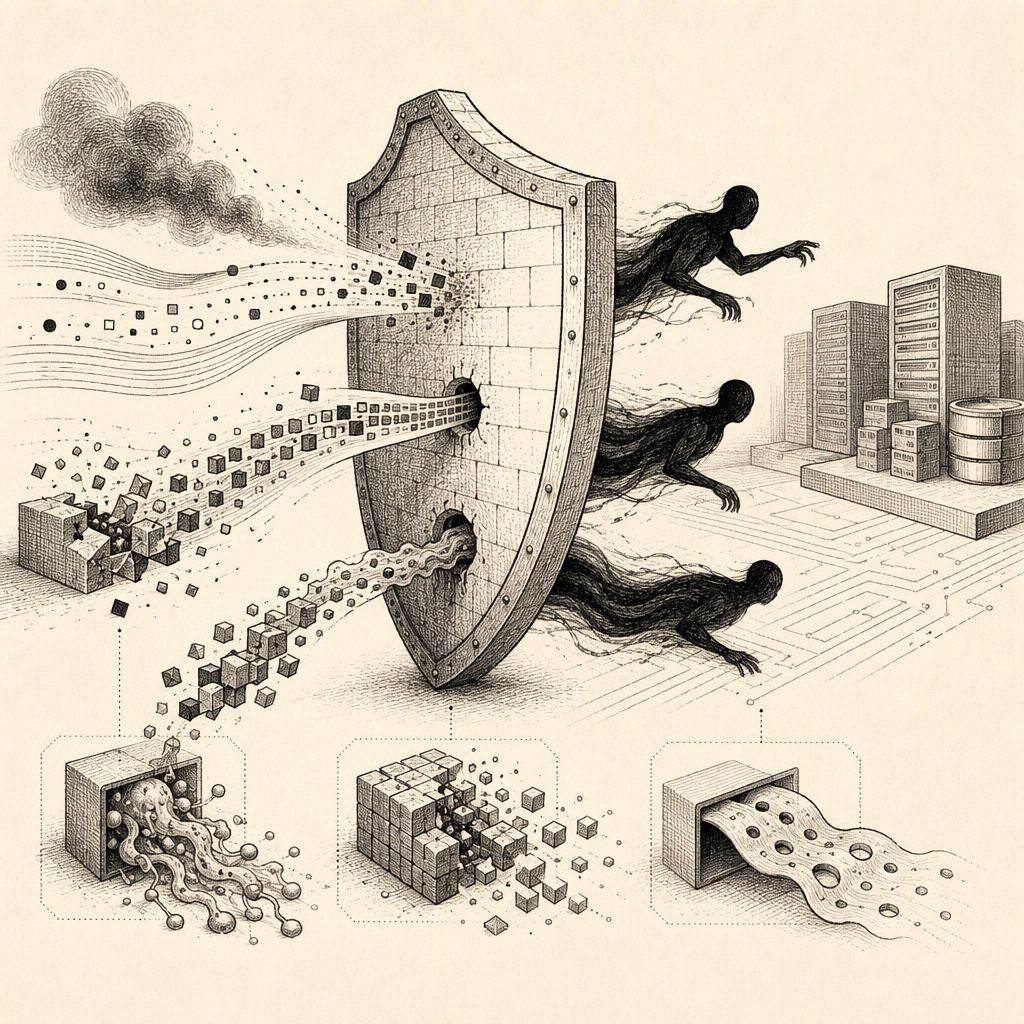
Multiple newly disclosed vulnerabilities in OWASP ModSecurity could allow attackers to bypass web application firewall (WAF) protections. These flaws exploit parsing differences, malformed input, transformation errors, and resource limits within the widely used security tool. The vulnerabilities affect functions critical for inspecting HTTP requests and responses, posing a significant risk to organizations relying on ModSecurity rules to detect and block malicious payloads.
One of the most serious issues, tracked as GHSA-5pww-8rfg-9crf, centers on the RFC 2231 filename* parameter in multipart HTTP uploads. While ModSecurity applies strict validation to filenames, backend applications written in languages like Go, Python, Node.js, or Java may interpret RFC-compliant encoded filename* values differently. This discrepancy allows an attacker to craft an uploaded file request that the backend application accepts, while simultaneously evading ModSecurity's filename inspection rules. This creates a dangerous gap, potentially enabling malicious file uploads or the circumvention of security controls designed around multipart filename validation.
Another vulnerability, rated Moderate severity and identified as GHSA-4j47-8qcr-jf59, impacts the t:base64DecodeExt transformation. When this transformation encounters malformed Base64 padding, it silently discards the entire decoded output. Consequently, ModSecurity rules that depend on the transformed value may receive an empty or incomplete string, failing to match an otherwise malicious payload. Attackers frequently encode SQL injection, cross-site scripting, command injection, or web shell content to evade signature-based filtering. If a firewall incorrectly decodes the data and ceases inspection, it can bypass rules intended to identify dangerous strings.
A third flaw, GHSA-qrch-pjfr-9g47, affects the removeComments transformation. This feature is designed to strip comments from input before it is checked against security rules. However, adjacent comments may not be removed correctly, enabling attackers to split suspicious keywords with comment syntax and potentially evade pattern matching. For instance, a payload could insert comments between fragments of a dangerous command or SQL statement. If ModSecurity fails to properly normalize the full input, the request might not match a blocking rule, even if the backend application reconstructs or accepts the malicious expression.
Additional advisories detail a High-severity response body inspection bypass, an XML request-body processor pointer dereference flaw, weaknesses in multipart form-data parsing, and an issue where PCRE2 @rxGlobal match-limit errors are incorrectly treated as no match. Collectively, these vulnerabilities highlight how parsing discrepancies between inspection engines and the applications they protect can lead to security failures.
Administrators are urged to review the affected ModSecurity release notes and security advisories. They should update to patched versions as soon as they become available and rigorously test their rules against encoded, malformed, multipart, and comment-obfuscated payloads. Organizations should also implement layered defense strategies, rather than relying solely on WAF signatures for application security, to mitigate the risks posed by these bypass techniques.