
Modern Warehouses: A Complex Web of Cyber Vulnerabilities
A new analysis from Securelist details how interconnected systems in modern warehouses create numerous attack vectors, turning minor disruptions into major business crises.
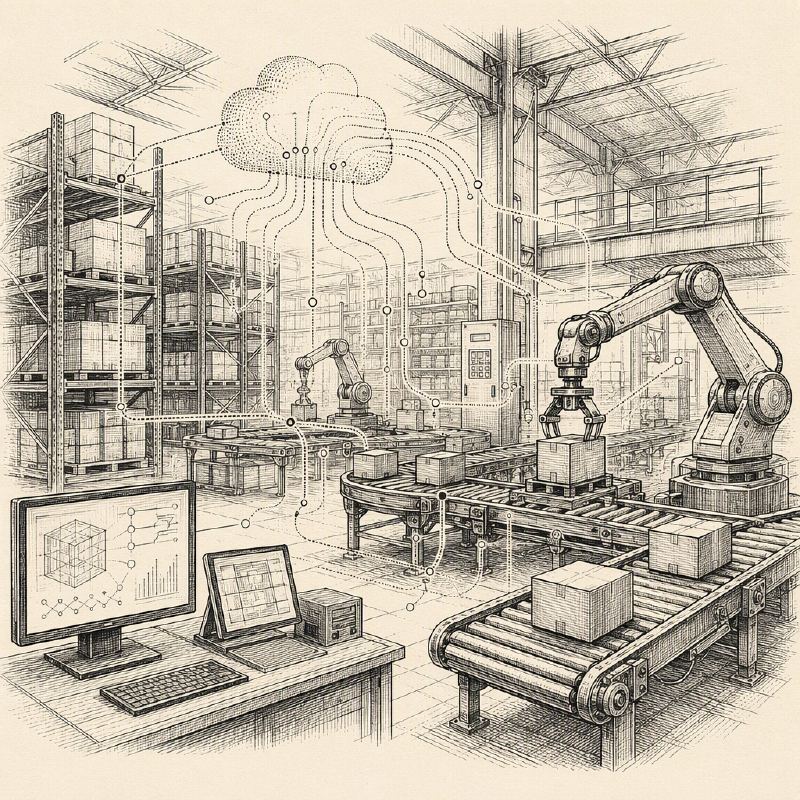
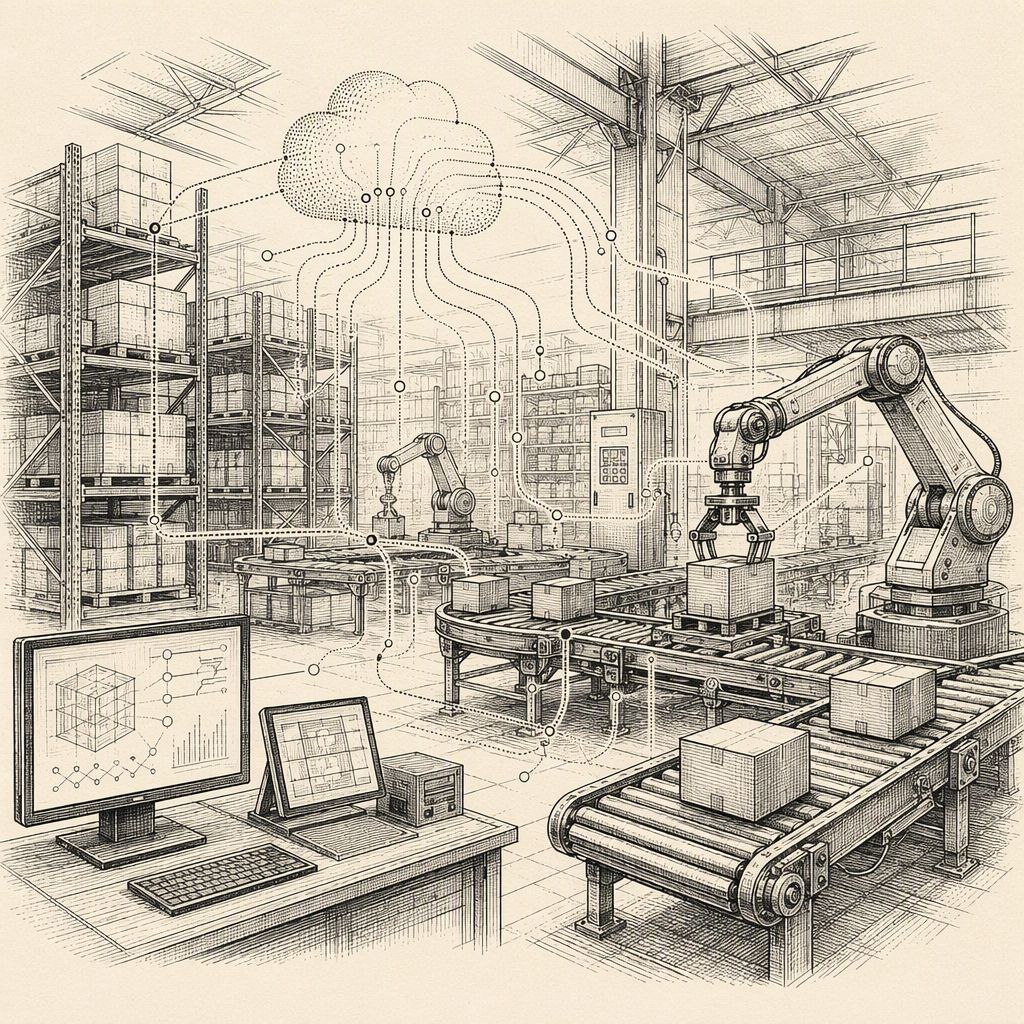
Modern warehouses, once simple storage facilities, have evolved into complex, interconnected ecosystems where physical operations are deeply reliant on digital systems. This transformation presents a growing landscape of cyber vulnerabilities, capable of disrupting supply chains and impacting businesses on a massive scale. A recent analysis by Securelist uses the journey of a single online order, a "paper unicorn," to illustrate these risks, highlighting how a seemingly minor delay for one customer can escalate into a significant business crisis when multiplied across thousands of orders.
The article breaks down the warehouse process into eight key stages, from unloading to packing, demonstrating how each step introduces potential attack vectors. At the unloading stage, even the assignment of a truck gate via a digital display can be manipulated, leading to delays and workflow disruptions. During receiving, the synchronization between physical inventory and its digital record is critical; any divergence can cascade through the entire system. The putaway process involves devices like thermal printers and PLC-controlled lifts, both of which can serve as entry points for attackers seeking to compromise internal networks or control physical machinery.
As goods move into storage, often in multi-level structures, the complexity of managing the underlying network infrastructure increases. Wi-Fi access points, cameras, and sensors, often mounted in hard-to-reach areas, can become overlooked initial access points if misconfigured or left with forgotten cables. The picking stage relies on devices such as portable data terminals (PDTs) and workstations, which, if compromised, could allow attackers to manipulate order information, leading to incorrect shipments and further operational chaos.
The sorting stage transforms the warehouse into a more automated environment, with conveyor belts, scanners, and diverters controlled by PLCs and managed by warehouse management systems (WMS). The precise timing required for these operations means that any disruption or manipulation of data can cause significant physical consequences, such as boxes being misrouted or jams occurring on conveyor lines. The packing stage, whether automated or manual, also presents opportunities for compromise, potentially affecting how items are prepared for shipment or how their status is updated in the WMS.
Beyond the operational stages, the article emphasizes the threat model associated with these environments. It outlines what is at risk—from inventory accuracy and order fulfillment to the integrity of business operations—and identifies potential threat actors. The analysis details the practical costs of a successful attack, including unshipped orders, untrustworthy inventory records, and complete operational shutdowns. The interconnected nature means that a breach in one area, such as a WMS or a PLC controlling machinery, can have far-reaching physical and financial repercussions.
Examples cited, such as the disruption at CEVA Logistics warehouses and the impact on United Natural Foods, Inc. (UNFI), underscore the real-world consequences of these vulnerabilities. These incidents demonstrate that cyberattacks on warehouse infrastructure are not merely theoretical threats but have tangible impacts on logistics, customer satisfaction, and overall business continuity. The article stresses that securing these complex environments requires a holistic approach, focusing on controls at critical points throughout the entire supply chain process.
Ultimately, the "paper unicorn" metaphor serves to demystify the complex cybersecurity challenges within modern warehouses. By tracing a single order, Securelist effectively illustrates how digital vulnerabilities can manifest as physical disruptions, leading to significant financial losses and operational failures. The analysis concludes with recommendations for implementing robust security controls to mitigate these risks and ensure the resilience of warehouse operations in an increasingly digital world.