
MITRE ATT&CK v20 Integrates AI Exploits, MFA Bypass, and CAPTCHA Evasion Techniques
MITRE's latest ATT&CK framework update (v20) introduces nine new Enterprise techniques, significantly expanding coverage for emerging threats like AI manipulation, stolen application-specific passwords for MFA bypass, and CAPTCHA evasion.
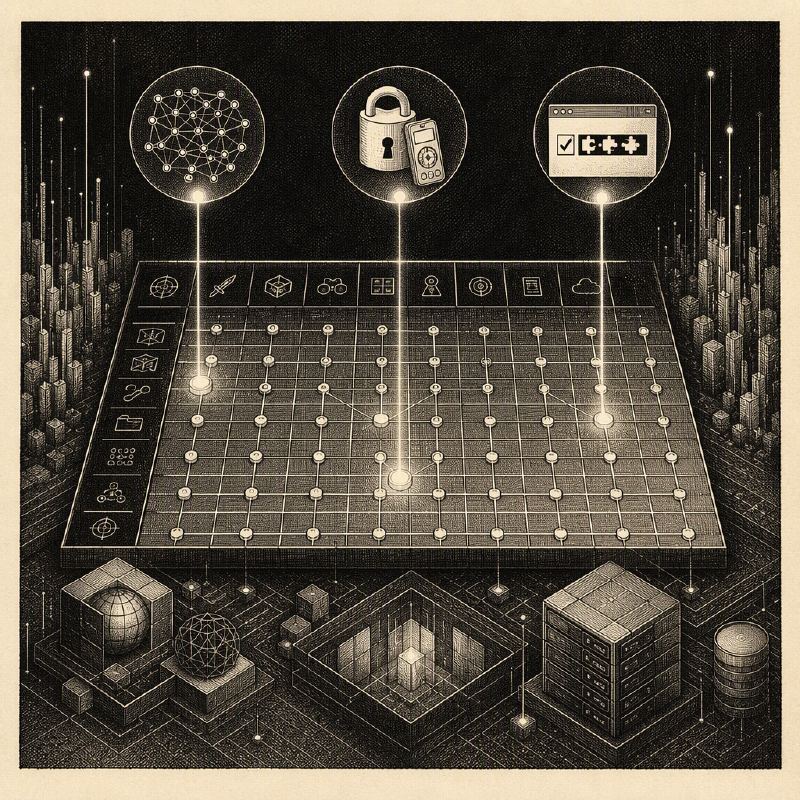
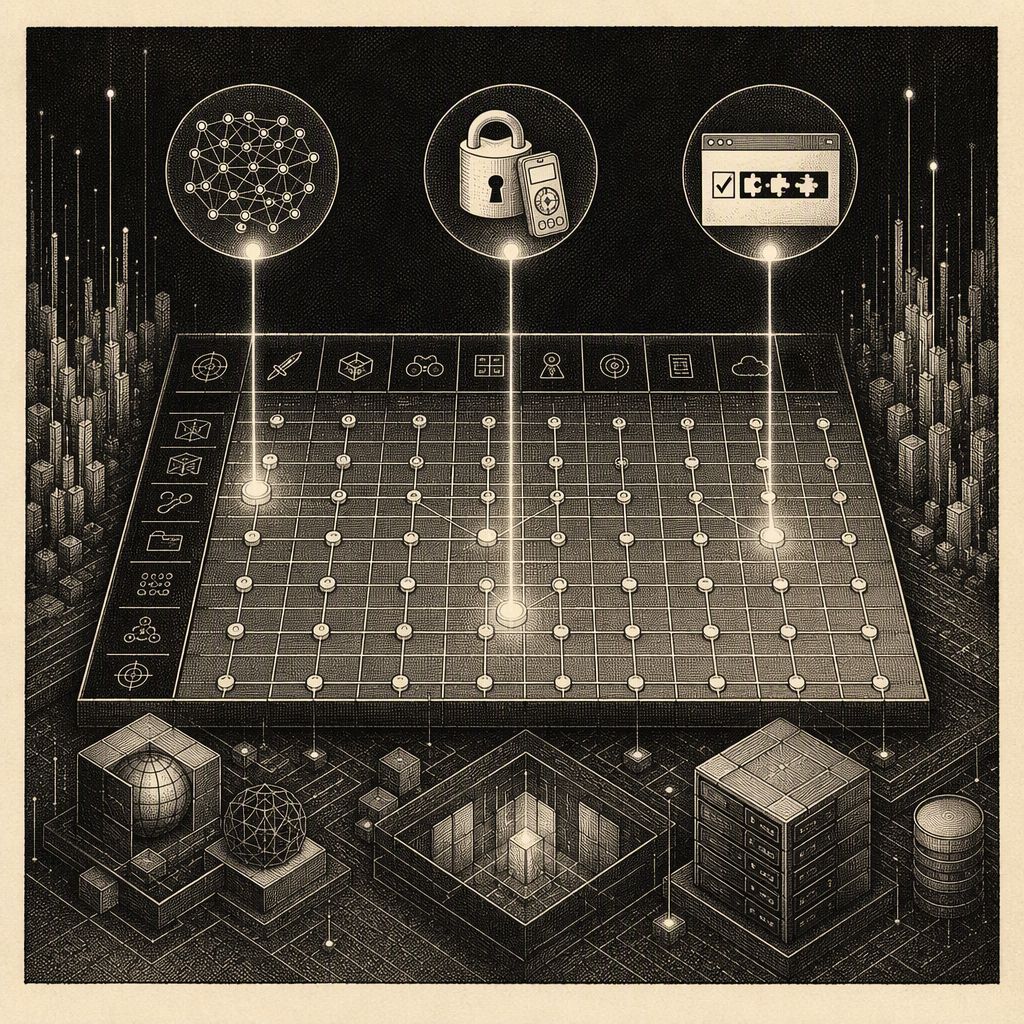
MITRE has released version 20 of its ATT&CK framework, a comprehensive knowledge base used by cybersecurity professionals to understand and combat adversary tactics and techniques. This latest update introduces nine new Enterprise techniques, reflecting the evolving threat landscape and the increasing sophistication of cyberattacks. The additions focus on critical areas such as the exploitation of Artificial Intelligence (AI) systems, methods for bypassing Multi-Factor Authentication (MFA), and techniques for evading CAPTCHA challenges.
Five of the new techniques specifically address the growing risks associated with AI systems. These include 'Direct Prompt Injection,' where attackers insert malicious instructions directly into an AI model's interface, and 'Indirect Prompt Injection,' which involves hiding malicious instructions within content that an AI system processes, such as documents or web pages. The framework also now covers 'AI-Enabled Exfiltration,' detailing how attackers might trick an AI agent into exfiltrating sensitive data, and 'AI Result Poisoning,' where attackers manipulate public web content to influence the information returned by AI search tools. Finally, 'Impair Autonomous Defenses' addresses attempts to disrupt AI-assisted security analysis tools, potentially causing them to overlook malicious activity.
The update also enhances the understanding of how attackers circumvent traditional security measures. A new parent technique, 'Anti-Automation Evasion,' has been introduced with two sub-techniques: 'Automate CAPTCHA Completion' and 'Avoid CAPTCHA.' These cover the use of automated tools or services to solve CAPTCHA challenges, as well as methods to avoid triggering them altogether, highlighting that CAPTCHAs are not an insurmountable barrier for determined attackers.
Furthermore, the 'Steal Application-Specific Passwords' technique addresses a critical vulnerability path. Attackers can obtain these passwords, often generated for older applications or devices that don't support standard MFA, to gain account access without triggering the usual second-factor authentication prompts. This technique underscores the importance of managing and restricting the creation and use of these legacy credentials.
Beyond Enterprise techniques, MITRE ATT&CK v20 also expands coverage for Industrial Control Systems (ICS) and mobile devices. For ICS, new Command and Scripting Interpreter techniques and sub-techniques provide more granular detail on how attackers might operate within these critical environments. Detection guidance has also been enhanced with platform and asset context, enabling defenders to better distinguish between normal operational activity and malicious behavior.
The inclusion of these new techniques provides security teams with an updated and more precise language to map, detect, and defend against emerging threats. By understanding these evolving adversary behaviors, organizations can better prepare their defenses, refine their threat intelligence, and improve their overall security posture in the face of increasingly complex attacks.
The ATT&CK framework serves as a crucial resource for defenders, offering a standardized way to describe and compare attacker methodologies. The addition of techniques related to AI, MFA bypass, and CAPTCHA evasion in v20 demonstrates MITRE's commitment to keeping the framework relevant and actionable in the face of rapid technological advancements and evolving cybercriminal tactics.
These updates are vital for organizations that are increasingly integrating AI into their workflows, relying on MFA for access control, and utilizing CAPTCHAs to protect their services. The new techniques offer a clear roadmap for identifying potential weaknesses and strengthening defenses against novel attack vectors.