
Microsoft Windows RDP Client Vulnerable to RCE via Malicious Server Connection
A newly disclosed vulnerability in Microsoft's Remote Desktop Connection client (CVE-2026-119824) allows for remote code execution if a user connects to a malicious server.
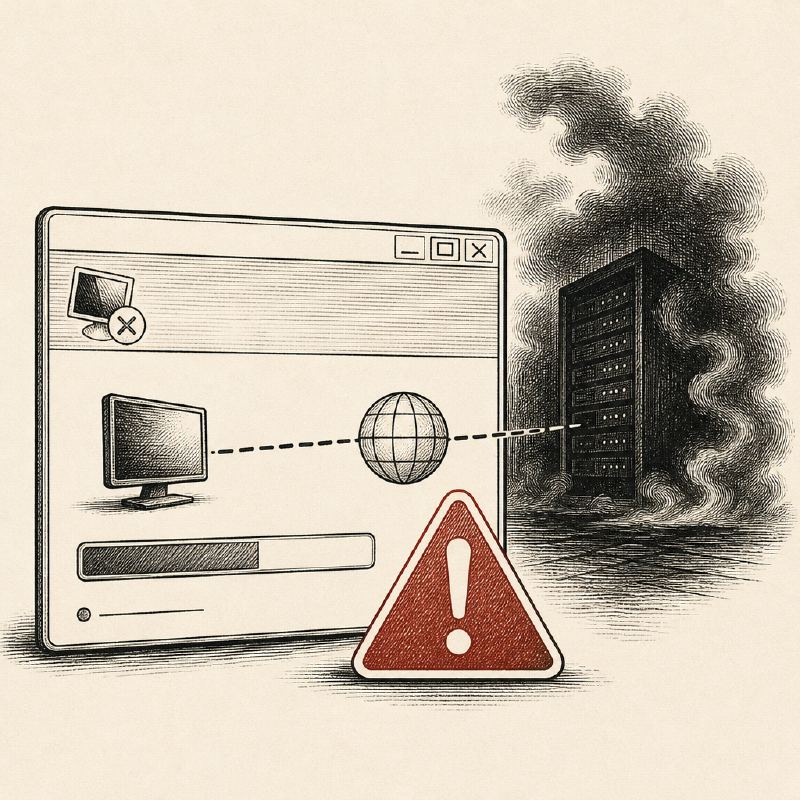
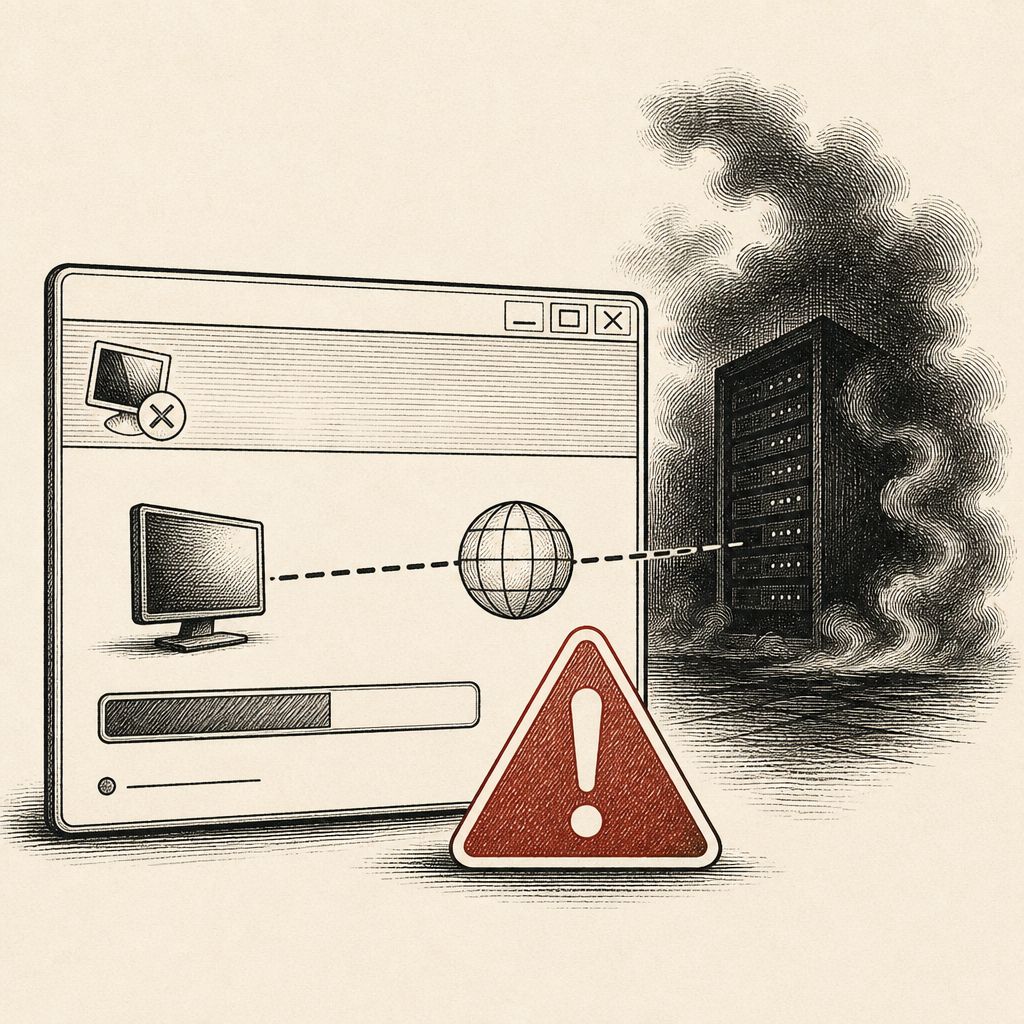
Zero Day Initiative (ZDI) has detailed a critical vulnerability affecting Microsoft Windows' Remote Desktop Connection client, identified as ZDI-26-967 and assigned CVE-2026-119824. This flaw carries a CVSS score of 7.5 and permits remote attackers to execute arbitrary code on vulnerable systems.
The exploit requires a degree of user interaction: the targeted user must initiate a connection to a server controlled by the attacker. Once connected, the attacker can leverage a flaw within the RDP client's handling of reparse points to access arbitrary files. Successful exploitation allows an attacker to execute code within the context of the currently logged-in user, potentially leading to a full system compromise.
This vulnerability specifically targets the client-side component of Remote Desktop Connection, meaning that a user's machine must be the one connecting to a malicious RDP server, rather than the server itself being directly attacked. This distinction is crucial for understanding the attack vector and the necessary prerequisites for exploitation.
Microsoft has acknowledged the vulnerability and released an update to address it. Users are strongly advised to apply the security patch provided by Microsoft to mitigate the risk. Further details on the patch can be found on Microsoft's Security Update Guide.
The vulnerability was discovered by Kyeongmin Kim from the KAIST Hacking Lab. ZDI coordinated the public release of the advisory on November 13, 2026, following the vendor's disclosure on September 4, 2026. This timeline indicates a standard coordinated disclosure process.
While the vulnerability requires user interaction to connect to a malicious server, the potential impact of remote code execution remains significant. Attackers could use this to deploy malware, steal credentials, or gain further access to a victim's network. The CVSS score of 7.5 highlights the severity and potential exploitability of this flaw.
This disclosure adds to the ongoing landscape of vulnerabilities found in widely used Microsoft products. Users and organizations should maintain vigilance, ensure timely patching, and educate users about the risks associated with connecting to untrusted network resources, especially when using remote access tools.