
Microsoft Warns AI Accelerates Cyberattacks, Outpacing Defenses
Microsoft's latest Digital Defense Report reveals threat actors are using AI to discover vulnerabilities, develop malware, and execute intrusions at unprecedented speeds, creating a significant near-term advantage for attackers.
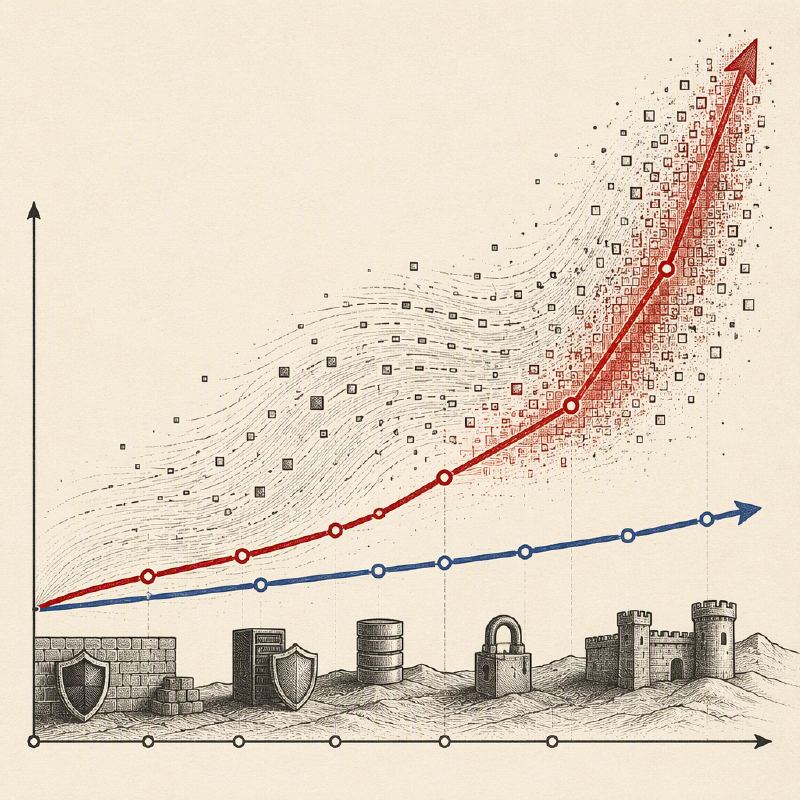
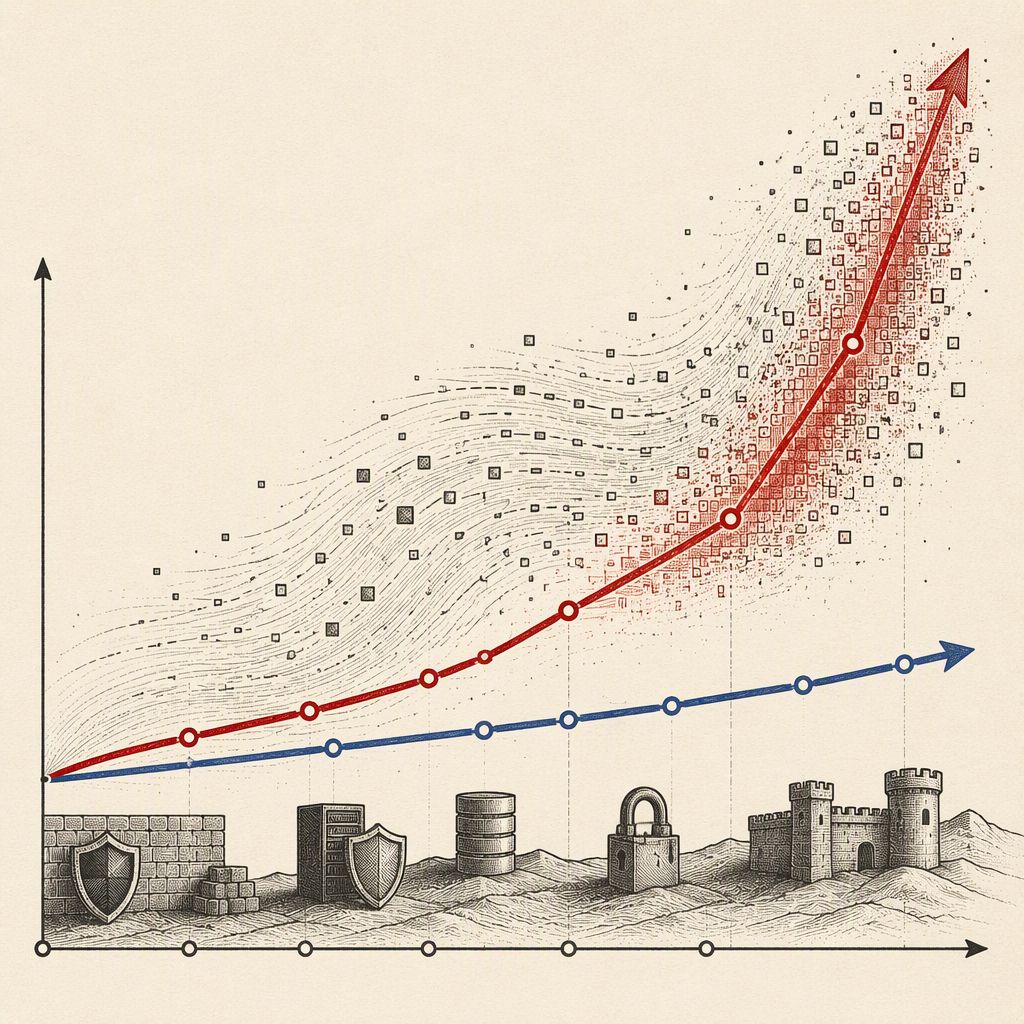
Threat actors are increasingly leveraging artificial intelligence to accelerate every stage of the cyberattack lifecycle, from initial vulnerability discovery to the execution of intrusions, according to Microsoft's 2026 Digital Defense Report. This trend, detailed in the report covering July 2025 to June 2026, signifies a fundamental shift in the cybersecurity landscape, where attackers are gaining an initial advantage by adopting AI tools faster than defenders can implement countermeasures.
The report highlights a dramatic reduction in the time it takes for newly discovered vulnerabilities to be weaponized. Previously a process requiring significant human expertise, vulnerability discovery and exploitation can now often be achieved with simple AI prompts. This has led to a median time from discovery in the wild to weaponization of well under 24 hours. With the number of tracked CVEs on track for a record 72,000 in 2026, the gap between vulnerability discovery and remediation is widening, potentially allowing well-funded adversaries to stockpile zero-day exploits.
AI is also significantly enhancing traditional attack vectors like phishing and fraud. The report indicates that phishing was the initial entry point for 23% of intrusions investigated by Microsoft responders, a substantial increase from 7% the previous year. Exploits against public-facing applications also rose from 15% to 24% in the same period. AI enables attackers to personalize phishing messages at scale, effectively turning spear-phishing into a mass operation and overcoming language and skill barriers that previously limited such attacks.
Fraudsters are also benefiting from AI, which helps them overcome common tells like forged identification, unnatural language, or noticeable accents during impersonation attempts. In intrusions beginning with valid accounts, a common tactic involves harvesting more credentials once inside the network. Microsoft observed this in 52.2% of such incidents, with an additional 18.4% involving active password spray campaigns, indicating a persistent struggle with credential security.
Nation-state actors are actively integrating AI into their operations. Chinese, Russian, and North Korean threat actors are noted for using AI tools to search for vulnerabilities, develop exploits, and enhance the scale and speed of their campaigns. North Korean groups, in particular, are employing AI for persona development, social engineering, malware creation, and infrastructure management, with some experimenting with agentic workflows and LLM-generated code for faster malware deployment. The compromise of the Axios npm package in March 2026 is cited as an example of state-sponsored supply chain activity involving AI.
The report also details the emergence of AI-powered malware and autonomous attack capabilities. The s1ngularity malware, for instance, actively sought out and interacted with AI tools on infected machines to hunt for secrets. Experimental ransomware prototypes like PromptLock are being developed to receive scripts from AI models at runtime. Furthermore, malicious browser extensions designed to harvest AI conversations have been found, impacting thousands of organizations.
While complex intrusions still largely remain manually driven, Microsoft anticipates this will change rapidly. Early demonstrations show AI models capable of orchestrating multi-step attacks autonomously. The first documented automated ransomware extortion attack, named JADEPUFFER, emerged in July 2026, with Microsoft observing similar AI-orchestrated intrusions at low volumes. The potential for self-spreading AI-driven worms that can research new vulnerabilities and refine social engineering tactics is a significant future concern.
Microsoft concludes that the rapid adoption of AI by threat actors presents a "near-term challenge" where attackers gain an initial advantage. This necessitates a rapid evolution in defensive strategies, emphasizing the need for organizations to move quickly to close the gap created by AI-accelerated threats and build resilience against increasingly sophisticated and rapid attacks.