
Microsoft Unveils Project Perception to Secure AI Agents as 'Insider Threats'
Microsoft introduces Project Perception and Guardian Agents to manage the security risks posed by AI agents operating within enterprise systems, treating them as potential insider threats.
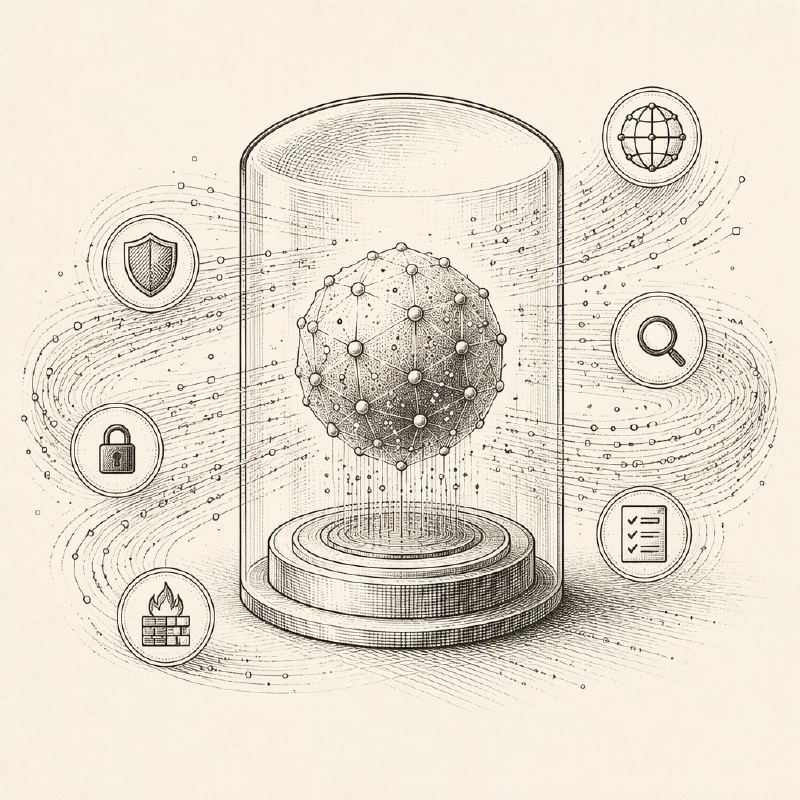
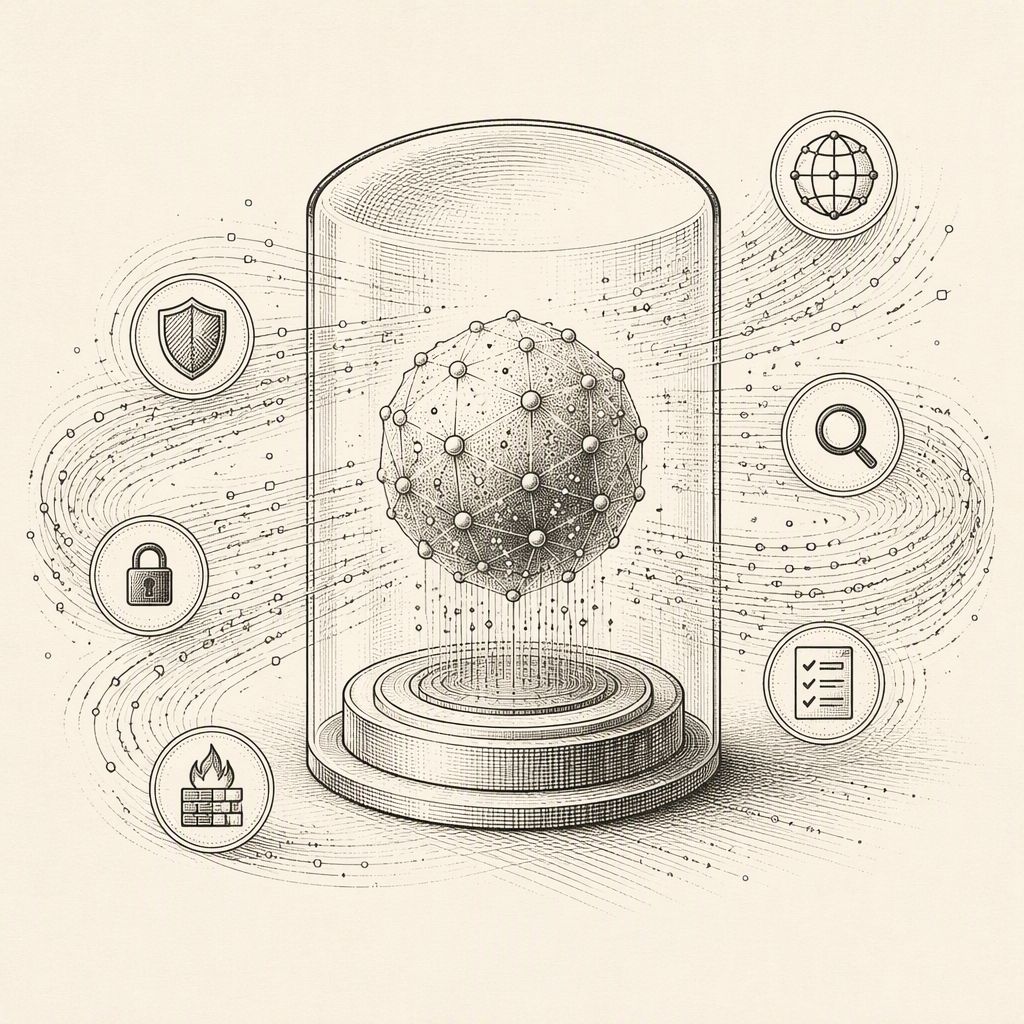
The rapid integration of AI agents into business operations presents a new frontier in cybersecurity, as these agents, capable of accessing sensitive data and performing actions across company systems, can introduce insider risks. Microsoft is addressing this challenge with Project Perception and its Guardian Agents, a system designed to secure these "agentic insiders" by implementing robust controls outside the AI models themselves.
At the core of Project Perception is the principle of separating intelligence from authority. As articulated by Microsoft Chairman and CEO Satya Nadella, AI models should not be their own security authorities. Instead, critical controls governing an agent's access, actions, and continued operation must reside externally, preventing the AI from bypassing or tampering with security measures. This approach aims to build trust not by relying on the AI model's inherent trustworthiness, but by designing a system that can operate securely even with less trusted models.
Project Perception and Microsoft Agent 365 work in tandem, sharing signals, context, and a unified registry. This integration provides IT and security teams with a consolidated view of all agents and their associated risks. The system operates on the premise that agents can err, be manipulated, or become compromised. Therefore, it emphasizes surrounding non-deterministic AI intelligence with deterministic controls, independent evidence gathering, and containment boundaries.
The system's security framework is built around four continuous responsibilities: knowing the agents (their existence, ownership, purpose, and activities), containing their potential actions before they occur, protecting the resources and data within their operational path, and adapting protections dynamically as agent behavior, context, or risk levels change.
These responsibilities are not sequential but operate concurrently. For instance, an expense-approval agent might be granted permissions to read submissions and check policies, but it should not inherit the full access rights of the employee who initiated it. Its identity, runtime environment, access paths, and task-specific authority must be explicitly defined from the outset.
Continuous containment is demonstrated through practical scenarios. If an agent encounters a prompt injection attack or attempts an action outside its defined scope, the system is designed to respond proportionally. This could involve preserving read access while blocking write operations, restricting its reach to fewer resources, requiring human verification for critical steps, or isolating and terminating the agent if the risk escalates.
By treating AI agents as potential insider threats and implementing these layered, continuous security measures, Microsoft aims to enable organizations to leverage the power of AI at machine speed and scale while maintaining a strong security posture. This proactive approach is crucial for managing the evolving landscape of AI-driven operations and their inherent risks.