
Microsoft Teams Integrates AI to Combat Sophisticated Phishing Attacks
Microsoft is enhancing Microsoft Teams security by integrating AI-powered phishing detection that analyzes conversation context to identify social engineering scams lacking traditional malicious indicators.
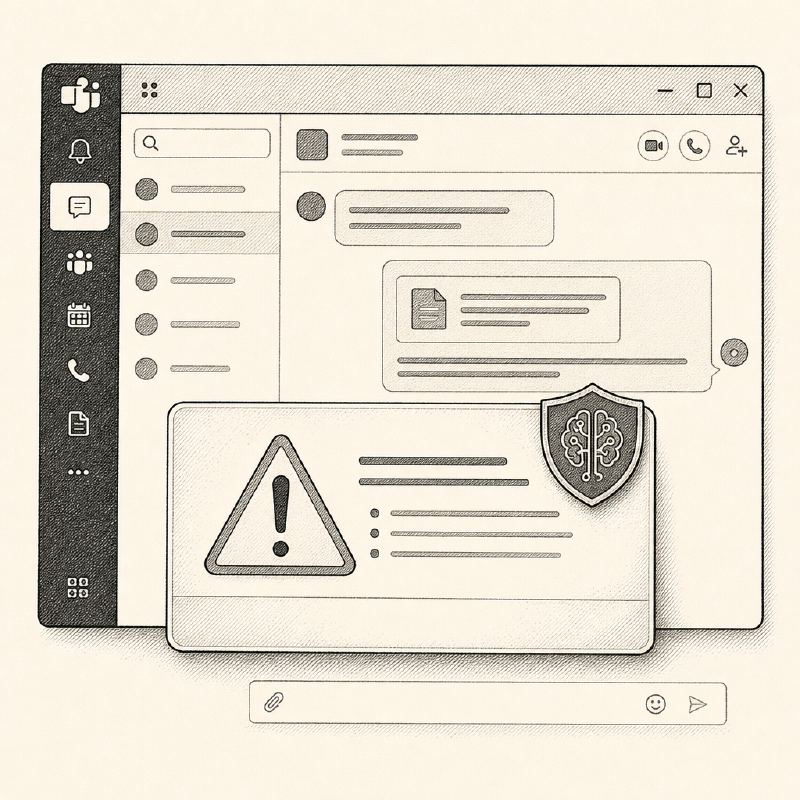
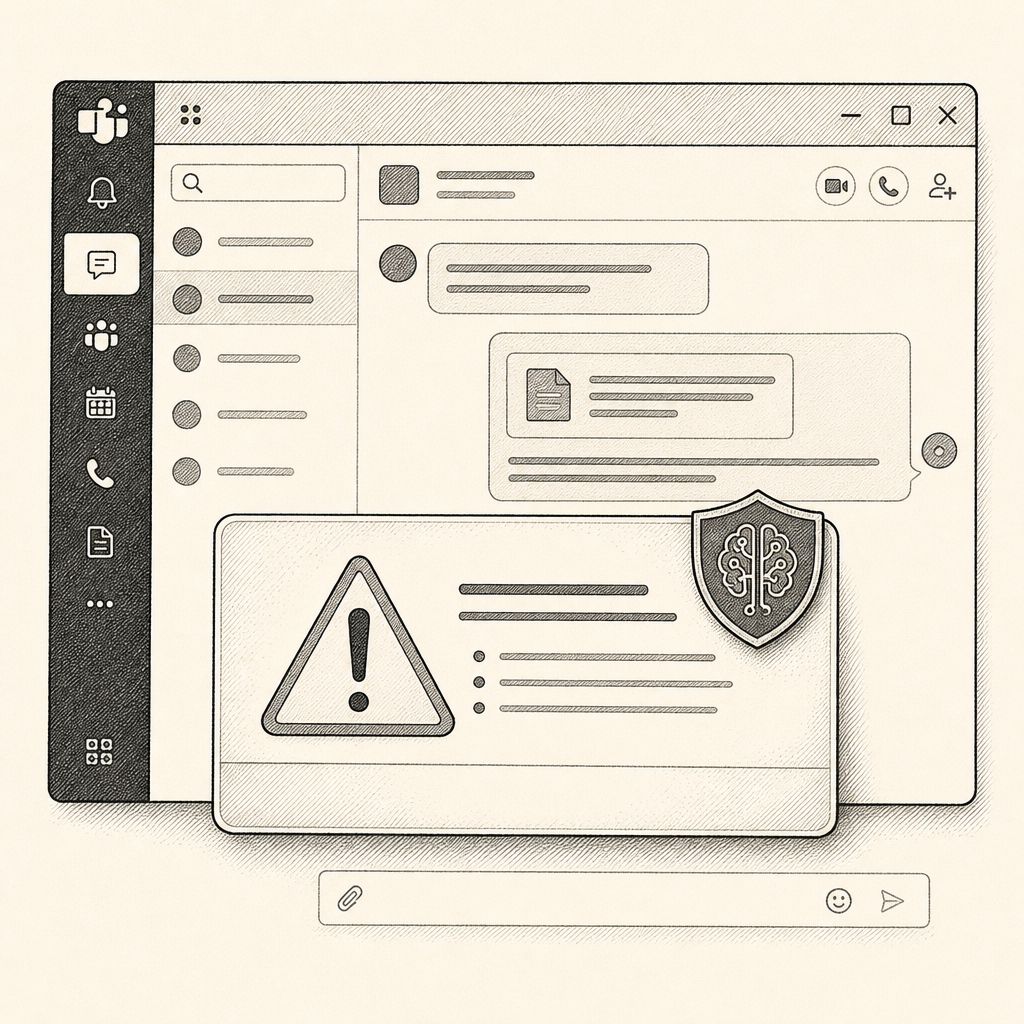
Microsoft is rolling out a significant security enhancement to its Teams platform, incorporating artificial intelligence to detect phishing attempts that bypass traditional security measures. This new AI-driven feature will analyze the context of conversations to identify social engineering scams, even when they do not contain suspicious links or malicious attachments. The initiative aims to bolster defenses against increasingly sophisticated threats that rely on deception and impersonation.
The AI phishing detection will initially focus on first-time conversations with external contacts. Attackers often exploit these initial interactions to impersonate trusted entities, such as IT support staff, to trick users into divulging sensitive information like passwords or granting remote access. By examining the dialogue's intent and tone, the AI can flag deceptive messages that might otherwise appear legitimate.
Microsoft announced the change via Message Center notice MC1519866, with Targeted Release beginning in early November and general availability expected to commence in early December. The rollout is phased, with worldwide general availability concluding by mid-December. This approach allows Microsoft to monitor performance and address any issues before a full-scale deployment.
Traditional phishing indicators, such as malicious URLs or infected files, are absent in many modern social engineering attacks. These advanced scams focus on building rapport and creating a sense of urgency to manipulate victims. The new Teams feature addresses this by analyzing the semantic content of conversations, identifying patterns indicative of impersonation, social engineering, and general deceptive intent. Support guidance indicates that this protection will cover individual and group chats with new external contacts across desktop, mobile, and web clients.
An example provided by Microsoft illustrates the functionality: a message from an "MOD Administrator" discussing permission issues, followed by a request for credentials. Teams will display a warning, indicating that the message might be a phishing attempt, even without a suspicious link. This highlights the importance of conversational context in identifying threats that exploit human trust rather than technical vulnerabilities.
While the primary focus is on external communications, Teams mobile users in China will receive protection for internal conversations as well, reflecting specific fraud patterns observed in that region. Microsoft emphasizes that this capability is strictly for security purposes and will not be used for advertising, employee monitoring, or other secondary functions. Customer message content will not be retained by the detection system for model training or other uses beyond immediate threat detection.
No specific administrator configuration is required to enable this new protection. However, Microsoft advises organizations to review their policies regarding communication with unfamiliar external contacts and to encourage users to report suspicious activity or any instances of incorrect detection. When a warning appears, users should verify the sender's identity through a trusted channel before responding.
This AI-powered defense layer complements existing security measures, but Microsoft stresses that user vigilance remains critical. Employees should continue to exercise caution, verify unexpected support requests, and never share sensitive information through unprompted conversations, regardless of whether a security banner is displayed. The absence of a warning should not be interpreted as a guarantee of safety.