
Microsoft Report: Government Agencies Face Escalating Cyber Threats in AI Era
Microsoft's Digital Defense Report indicates government agencies were the most targeted sector in 2026, with a significant rise in phishing and nation-state activity, underscoring the need for AI-integrated resilience.
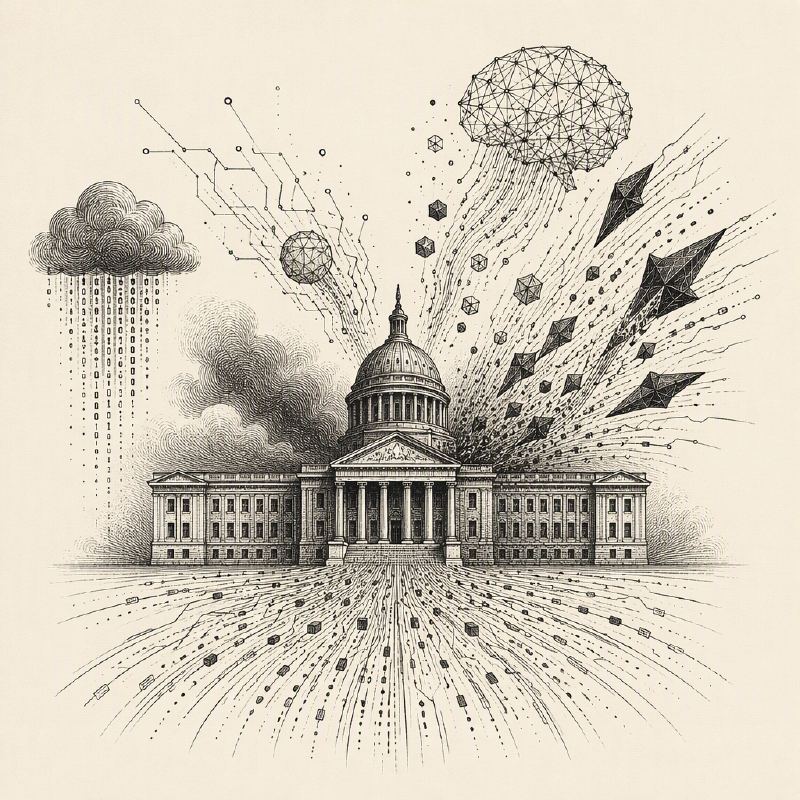
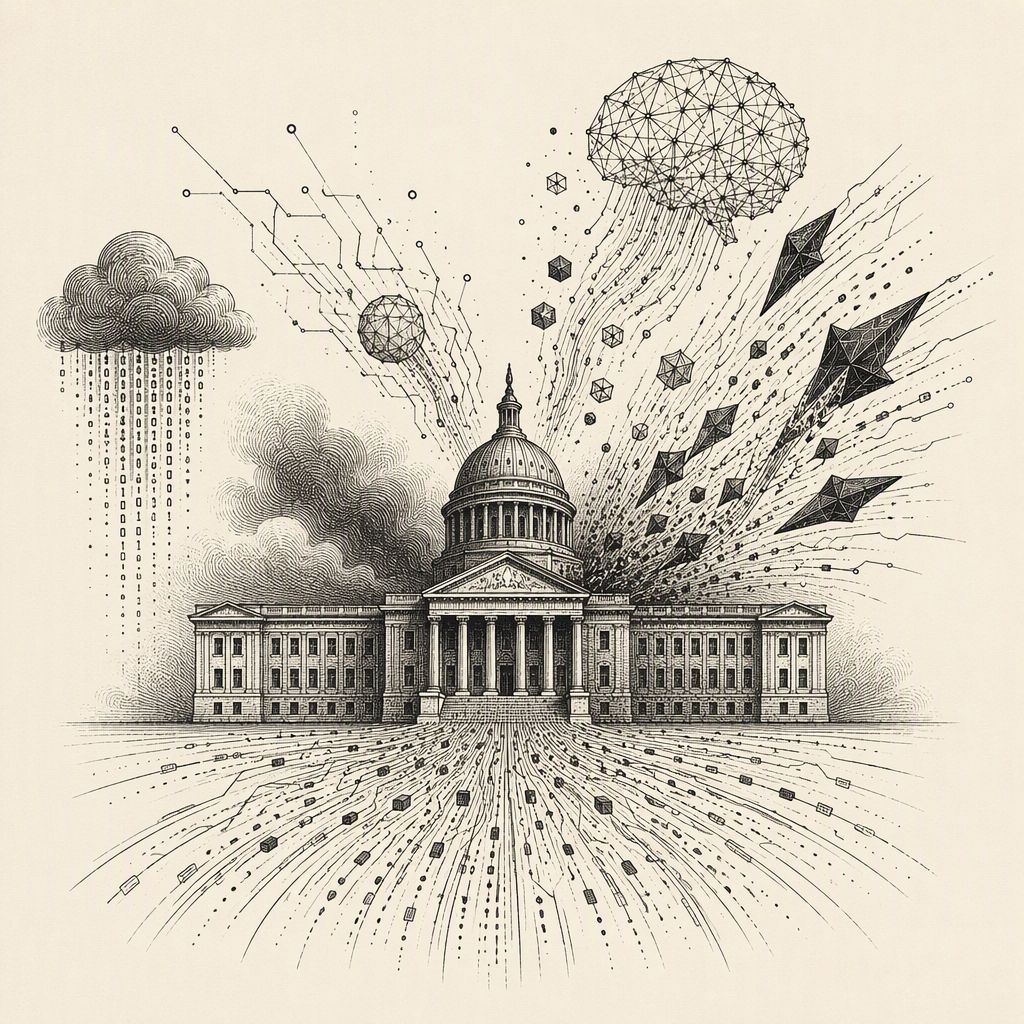
Government agencies worldwide experienced a substantial surge in cyber threats during 2026, becoming the most targeted sector and accounting for 27% of observed cyber activity, a notable increase from 17% in the previous year. This trend is further exacerbated by governments being the primary targets for nation-state cyber operations. Their attractiveness stems from the sensitive data they hold, the critical services they provide, and their central role in interconnected networks involving other agencies, contractors, technology providers, and essential infrastructure operators.
The report, which spans July 2025 to June 2026, highlights a concerning trend of increased "dwell time" – the period between an attacker's initial compromise and their detection. While organizations have improved their response times once an intrusion is identified, the challenge of early threat detection has intensified. Attackers are increasingly employing methods that mimic legitimate user activity, making malicious actions more difficult to distinguish from normal operations. Phishing, in particular, saw a dramatic rise, constituting 23% of observed intrusions in 2026, up from just 7% in 2025, emphasizing the persistent threat posed by compromised identities as a primary entry point for broader attacks.
Microsoft's analysis suggests that the evolving threat landscape, particularly with the advent of AI, demands a paradigm shift in cybersecurity. Security is no longer solely about preventing individual breaches but about ensuring the operational resilience of institutions in an environment characterized by interconnected risks, accelerated threat timelines, and prolonged attacker concealment. The report stresses the critical importance of public-private partnerships in safeguarding government infrastructure and shaping policies for emerging technologies.
To bolster resilience against these escalating threats, governments are advised to prioritize five key areas. Firstly, they must prepare for a faster threat environment where the window for action is compressed by AI. The time from vulnerability discovery to weaponization can be less than 24 hours, with the number of disclosed software vulnerabilities projected to reach a record 72,000 in 2026. Governments that can rapidly gather and assess information, make swift decisions, coordinate across institutions, and communicate effectively during crises will be best positioned for the future.
Secondly, security must be deeply integrated into the AI ecosystem. As AI becomes integral to public services, its security should be viewed as a resilience challenge rather than a purely technical issue. This involves promoting secure-by-design practices, robust testing, enhanced supply chain protections, transparency, and international cooperation across the interconnected infrastructure, data, models, applications, and governance processes that AI systems rely upon.
Thirdly, governments need to plan for the potential spread of incidents. Recognizing that intrusions may originate from criminal, geopolitical, or other sources, and that attackers often leverage similar entry points like compromised identities and exposed applications, response plans must account for the cascading effects. A seemingly isolated compromise can quickly escalate into ransomware, espionage, data theft, or service disruption, potentially crossing organizational, sectoral, and national boundaries.
Fourthly, enabling timely, two-way public-private information sharing is paramount. A compromised account at one organization can serve as an early warning for broader campaigns. Combining disparate signals across organizations and jurisdictions can reveal coordinated activity. Establishing trusted channels for bidirectional information exchange among government agencies, law enforcement, critical infrastructure operators, technology providers, and international partners is essential for collective defense, supported by policies that protect good-faith sharing and invest in shared threat intelligence capabilities.
Finally, the report advocates for integrating AI security into broader national resilience efforts, rather than creating a separate agenda. This holistic approach aims to protect critical infrastructure and build robust defenses capable of withstanding the complex and interconnected cyber risks of the AI era.