
Microsoft Entra Connect Health Flaw Exploited, GL.iNet Cloud Compromised
Attackers exploited a vulnerability in Microsoft Entra Connect Health to access tenant data, while GL.iNet's cloud infrastructure was compromised, potentially exposing user data.
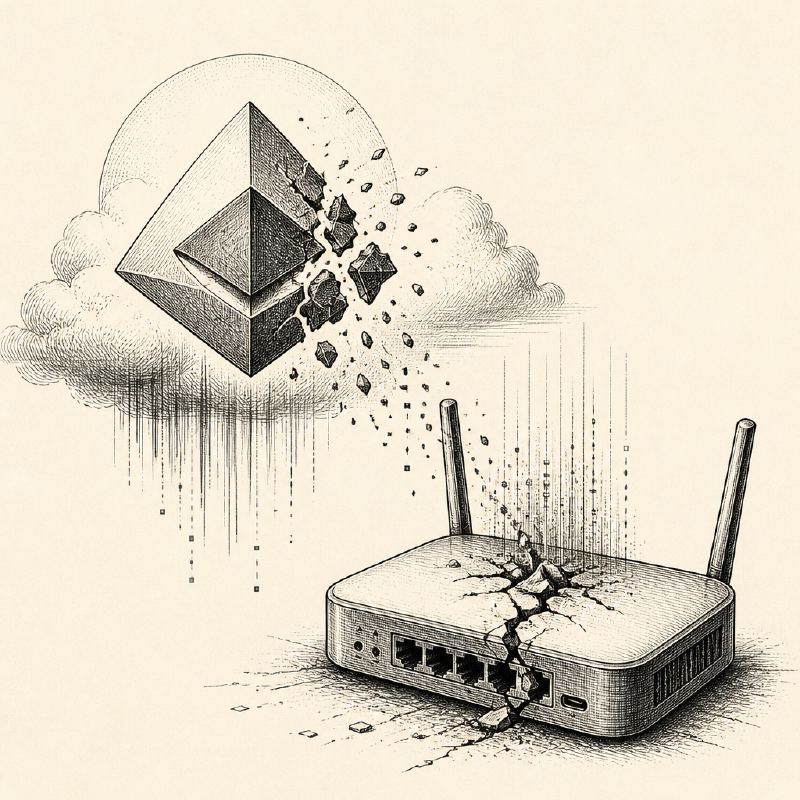
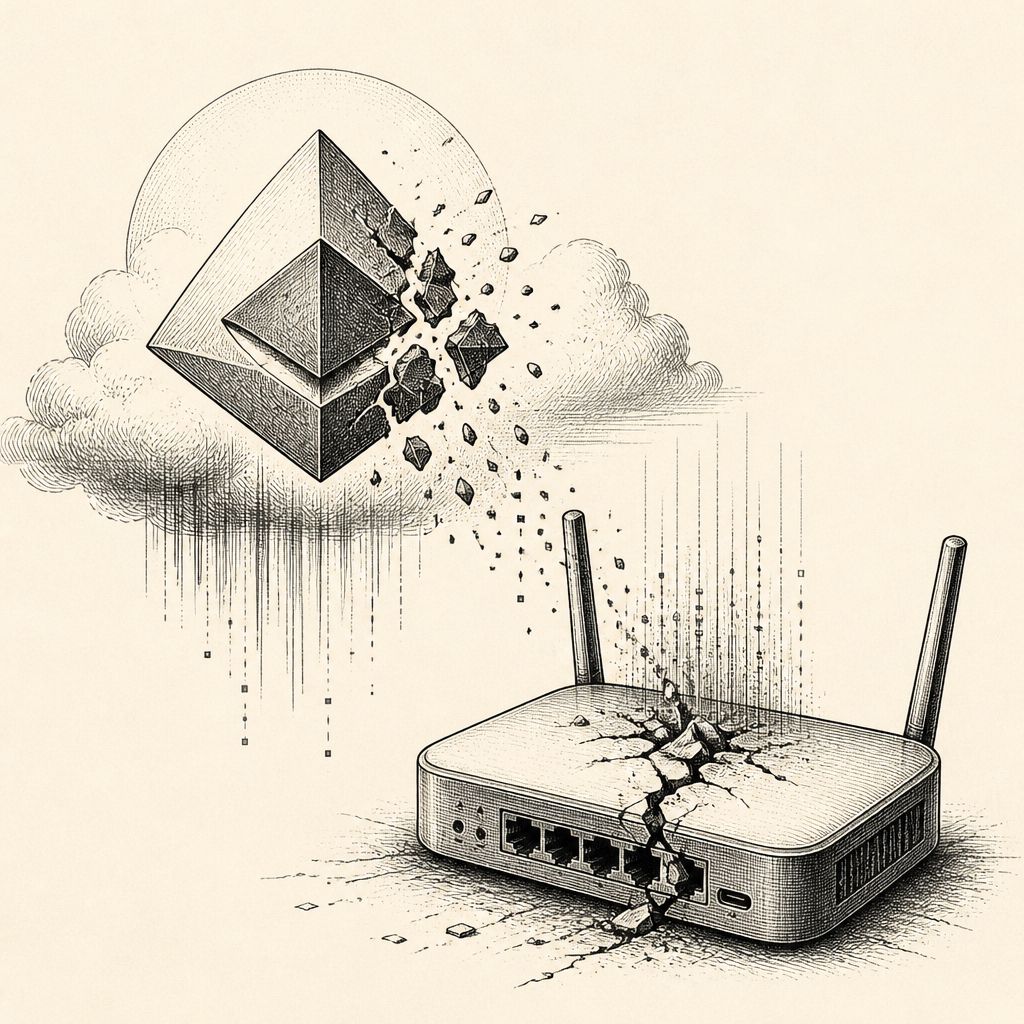
Microsoft is warning organizations about a vulnerability in its Entra Connect Health API that attackers have exploited to gain unauthorized access to sensitive tenant information. The attackers were able to read technical contact email addresses and configuration details of Entra tenants, posing a significant risk to data security and administrative control.
This incident highlights a critical security gap within the identity and access management services that many organizations rely on. The Entra Connect Health service is designed to monitor on-premises identity infrastructure and synchronize it with Azure Active Directory, making any compromise of its API a high-priority concern for security teams. Microsoft has stated it is taking steps to address the issue and notify affected customers.
In a separate incident, GL.iNet, a manufacturer of consumer and prosumer networking hardware, has confirmed a compromise of its cloud remote management service, known as GoodCloud. Attackers leveraged this breach to install malware onto routers and KVM (keyboard, video and mouse) devices that were connected to the compromised service. This allowed for widespread infection across GL.iNet's customer base, potentially leading to data exfiltration or further network intrusions.
The compromise of GL.iNet's cloud infrastructure raises concerns about the security of IoT devices and the centralized management platforms that control them. Many users rely on these cloud services for ease of management, but a breach can have cascading effects, impacting numerous devices simultaneously. The company is reportedly working to remediate the situation and secure its services.
These two incidents underscore the persistent threats facing cloud services and identity management platforms. As organizations increasingly rely on these technologies, the security of the underlying infrastructure becomes paramount. Both Microsoft and GL.iNet are facing scrutiny over their security practices and response to these breaches.
Beyond these specific incidents, the article also touches upon broader trends in cybersecurity, including the development of AI-powered penetration testing tools like Xalgorix, which uses a dual-agent approach to verify exploitability before reporting findings. Additionally, it mentions Shirudo, an open-source tool developed by OpenAI and Cisco to provide temporary protections for Linux systems while patches are developed, reflecting the ongoing efforts to enhance system security in the face of evolving threats.