
Microsoft: China's Salt Typhoon Leverages AI Tool Artex for Rapid Cyberattacks
Microsoft reports that Chinese state-sponsored threat actor Salt Typhoon is employing the AI-powered Artex platform to automate and accelerate cyber intrusions.

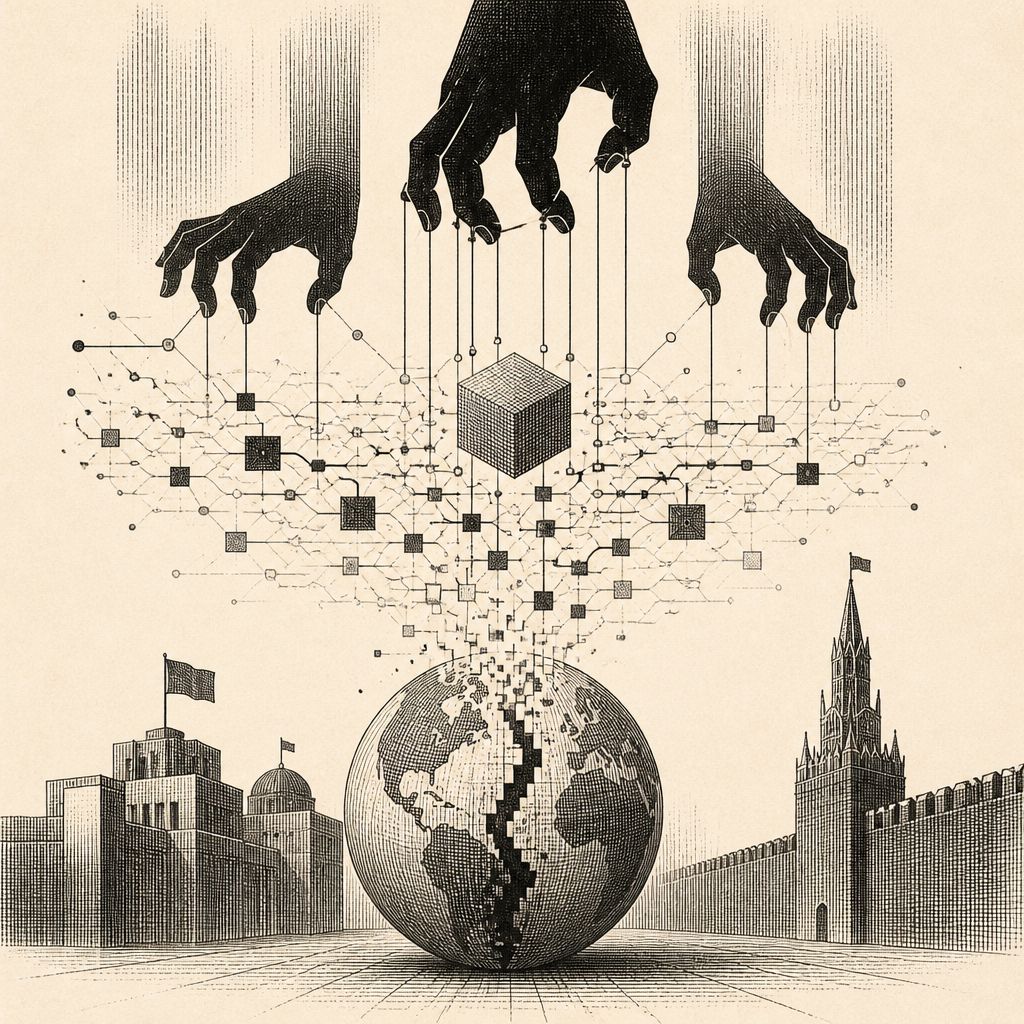
Microsoft has revealed that sophisticated Chinese state-sponsored threat actors, including the group known as Salt Typhoon, are actively utilizing an AI-powered hacking tool named Artex. This platform is designed to automate and significantly accelerate multiple phases of cyber intrusions, enabling attackers to move at machine speed.
The integration of Artex into the toolkits of groups like Salt Typhoon and Crystal Typhoon marks a concerning escalation in the adoption of artificial intelligence for malicious cyber activities. Microsoft detailed that these actors are employing Artex for critical stages of an attack, including network reconnaissance, credential attacks, and the exploitation of web applications. The tool's capabilities allow for rapid progression from initial reconnaissance to achieving persistent, privileged access within a target organization in mere minutes.
Artex, which was released in July, has reportedly been steadily incorporated into the arsenals of various Chinese and North Korean hacking groups. The AI tool enables threat actors to define specific objectives, which AI agents then pursue autonomously. While Artex itself does not introduce novel attack techniques, it leverages common penetration testing tools and methodologies, executing them with unprecedented speed and efficiency.
Microsoft highlighted that Artex's primary distinguishing signal is its behavioral pattern: a wide variety of requests executed in a brief timeframe, with rapid retries of techniques or swift progression to subsequent attack stages. While the tool does not inherently mask its activity, attackers can vary network indicators like IP addresses or user agent strings to evade simpler detection methods. Defenders are advised to look for bursts of machine-speed activity and unusually large volumes of anomalous traffic from a single source within a short period.
The FBI had previously issued an advisory warning about Artex, noting its prolific use by both cybercriminals and nation-state actors against government agencies and critical sectors globally. The tool has recently been implicated in attacks against financial institutions in South Korea and Japan, and was previously identified in a supply chain attack targeting IT management software company ConnectWise.
Salt Typhoon, the specific group mentioned in Microsoft's latest report, is a well-known Chinese hacking collective. U.S. agencies have previously attributed to Salt Typhoon a significant breach of at least nine telecommunications giants in 2024, which raised alarms due to its alleged access to sensitive communications. The group has also been accused of targeting European governments and critical infrastructure organizations worldwide.
The development and proliferation of tools like Artex underscore a broader trend of AI weaponization in cybersecurity. Researchers and security vendors are increasingly warning about the potential for AI to lower the barrier to entry for sophisticated attacks, increase their scale and speed, and make them more difficult to detect and defend against. The ability of AI agents to rapidly identify vulnerabilities, craft exploits, and manage intrusions presents a significant challenge for cybersecurity defenses.
While the original source code for Artex was temporarily removed from GitHub, copies have since proliferated, and commercial access to modified versions is now available. This accessibility, combined with its potent capabilities, suggests that Artex and similar AI-driven attack tools will likely become more prevalent in the threat landscape, necessitating continuous adaptation and advancement in defensive strategies.