
Microsoft 365 Suffers Widespread Outage Due to Backend Server Failures
Microsoft 365 users globally are experiencing significant service disruptions, with widespread 502 and 503 errors impacting access to core applications due to backend gateway failures.
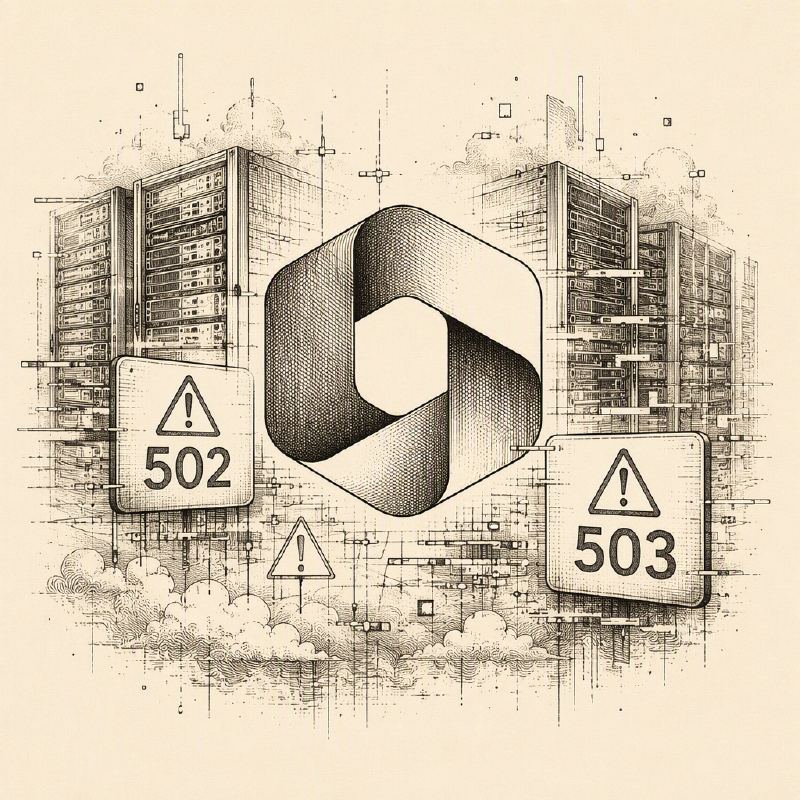
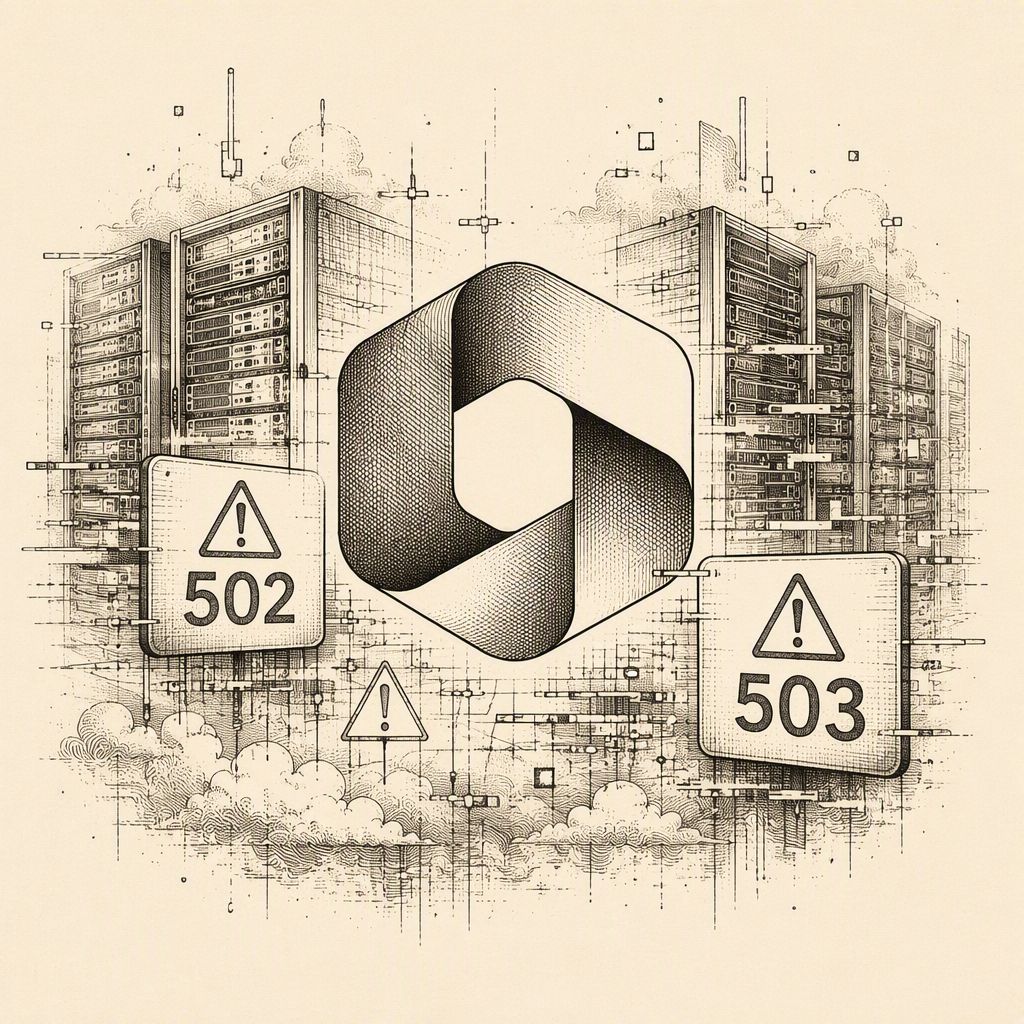
Microsoft is grappling with a fresh wave of service degradation affecting its widely used Microsoft 365 suite, leaving users worldwide unable to access essential applications. The incident, internally designated as MO1472904, commenced on the evening of September 16, 2026, and has been characterized by Microsoft as a service degradation, though the impact has been substantial enough to generate numerous user complaints.
Users attempting to access Microsoft 365 services are encountering HTTP error codes 502 and 503. These errors typically indicate issues with backend servers or gateway infrastructure, suggesting that the problem lies within Microsoft's core network or server architecture rather than user-specific configurations or authentication mechanisms. The specific nature of these errors points towards potential server overload, timeouts, or upstream communication failures.
Microsoft's official status update indicated that its engineering teams are actively investigating the root cause by analyzing service telemetry and user-reported data. The company has committed to providing further updates, with the next scheduled for 3:30 PM UTC, signaling that a definitive resolution timeline is still being determined. This ongoing investigation highlights the complexity of diagnosing and rectifying issues within such a large-scale cloud environment.
This latest disruption adds to a concerning pattern of instability within Microsoft's cloud services throughout 2026. Previous incidents, including a multi-day authentication failure affecting Exchange Online in late August and a networking misconfiguration in July that impacted Teams and SharePoint, have previously disrupted user access. The causes of these prior events ranged from authentication component failures to erroneous network updates, though the specific cause of MO1472904 remains under investigation.
For IT administrators, the immediate priority is to closely monitor the Microsoft 365 admin center for detailed information regarding the scope and impact of the degradation. Given that 502 and 503 errors can manifest differently across various tenants, regions, or service components, it is crucial to avoid making hasty changes. Administrators are advised against performing unnecessary password resets or configuration modifications until Microsoft provides clarity on the fault domain, as such actions have historically complicated recovery efforts during similar incidents.
Security teams are also urged to exercise caution in interpreting the error codes. While 502 and 503 errors signify service unavailability, they do not inherently rule out the possibility of malicious activity. Differentiating between genuine service degradation and potential denial-of-service (DoS) attacks requires careful analysis of network traffic and system logs, especially given the current disruption.
As Microsoft continues its investigation, organizations relying on Microsoft 365 services are experiencing significant productivity impacts. The recurrence of such widespread issues underscores the critical need for robust business continuity and disaster recovery planning for cloud-dependent operations. Cyber Security News will continue to monitor the situation and provide updates as more technical details become available from Microsoft.