
Microsoft 365 and Azure Data Recovery: A Shared Responsibility Gap
Organizations are increasingly misunderstanding Microsoft's role in data recovery, leaving them vulnerable to ransomware and data loss due to the shared responsibility model.
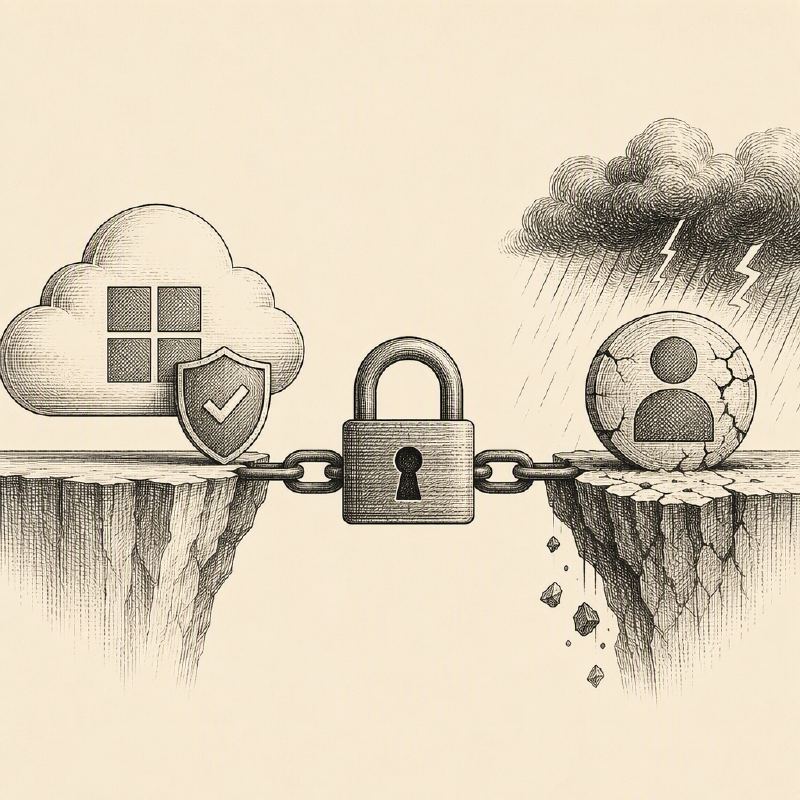
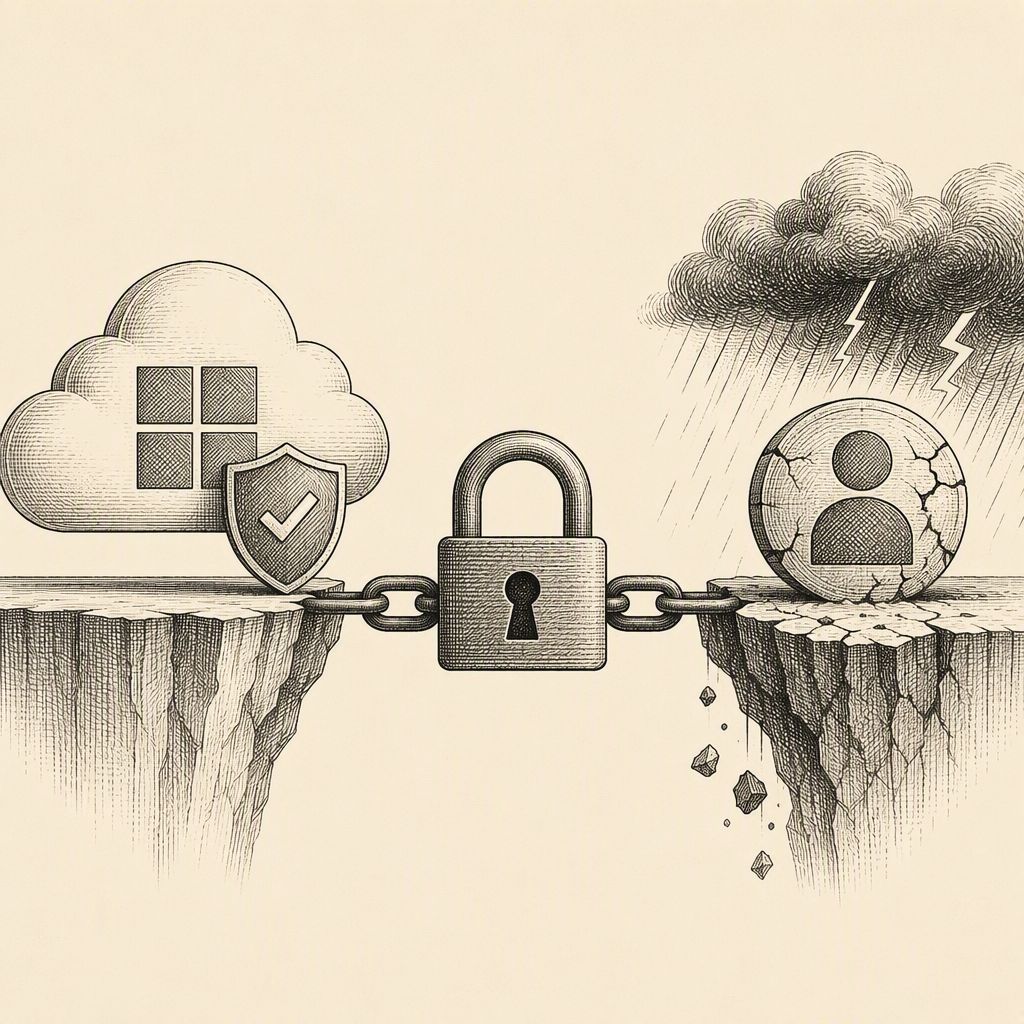
Many organizations and managed service providers (MSPs) operate under a dangerous misconception: that Microsoft's native cloud tools for Microsoft 365 and Azure provide comprehensive backup and recovery solutions. This belief is proving to be a critical vulnerability, especially as cyberattacks increasingly target identity and leverage AI for credential compromise. The reality, as highlighted by industry experts, is that Microsoft operates on a shared responsibility model, meaning the ultimate burden of data recovery, particularly in the face of ransomware or accidental deletion, falls squarely on the customer.
Microsoft's native tools are designed to ensure service availability and address short-term data governance needs, such as recovering from accidental deletions. However, they are not a substitute for a robust backup strategy. In the event of a cyberattack that corrupts or deletes data, Microsoft's responsibility ends at maintaining the availability of its services. They do not promise to restore customer data to a specific known-good point prior to the incident. This leaves a significant gap in cyber resilience, which organizations must proactively plan to fill.
The landscape of cyber threats has evolved dramatically, shifting from perimeter-based defenses to identity-centric attacks. Stolen credentials, often acquired through sophisticated phishing campaigns augmented by AI, have become a primary vector for initial access. Attackers can bypass multi-factor authentication (MFA) by hijacking legitimate sessions or exploiting password reuse across different platforms. Microsoft Entra ID, while a powerful identity management service, is not immune to these tactics when faced with compromised credentials.
Once an attacker gains access to an organization's Microsoft 365 environment via compromised Entra ID credentials, they can move laterally with relative ease. This allows them to access and exfiltrate data from mailboxes, OneDrive, SharePoint, and Teams before launching a ransomware attack. The agility of modern cloud services, while beneficial for business operations, can also accelerate the damage if not adequately protected by independent backup solutions.
Furthermore, the widespread adoption of Infrastructure as a Service (IaaS) and Platform as a Service (PaaS) models, alongside SaaS applications, has created a complex data management environment. Organizations often struggle to maintain consistent security and backup policies across these diverse environments. Data may be stored in multiple locations, but the ability to recover it uniformly after a breach is frequently overlooked, creating further chinks in the armor.
Compounding these issues are the increasing number of compliance requirements mandating robust cyber resilience, including proper backup and recovery procedures. Many organizations are ill-prepared to meet these mandates, leaving them exposed not only to operational disruption but also to regulatory penalties. The gap between an attack's initiation and the restoration of business operations is widening, providing fertile ground for attackers.
To bridge this critical recovery gap, experts strongly recommend maintaining independent backups of data, stored outside the primary SaaS tenant. These backups should be immutable, ensuring they remain safe even if the primary cloud environment is compromised or rendered inaccessible. Dedicated cloud-to-cloud backup solutions, stored in third-party data centers, offer a reliable method to safeguard critical assets.
By implementing an independent backup strategy, organizations can ensure that even if their primary Microsoft 365 tenant is destroyed or compromised, their critical data remains recoverable. This approach not only bolsters resilience against ransomware and other destructive attacks but also helps meet stringent cyber insurance and compliance requirements, providing a true safety net in an increasingly hostile threat landscape.