
Meta FAIRChem Vulnerable to Remote Code Execution via YAML Deserialization Flaw
A critical vulnerability in Meta FAIRChem's YAML parsing allows remote attackers to execute arbitrary code, requiring user interaction for exploitation.
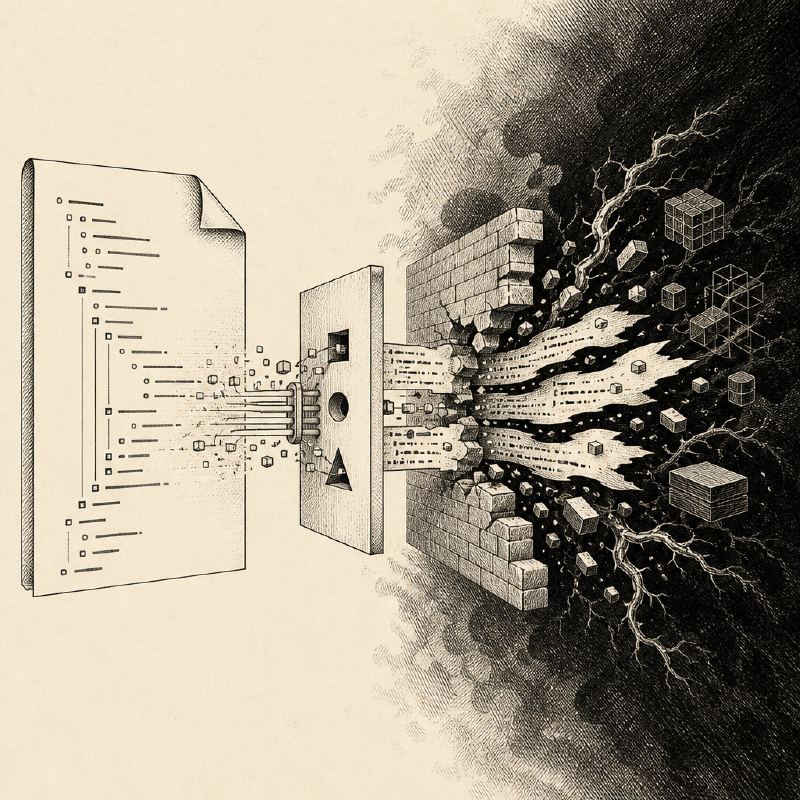
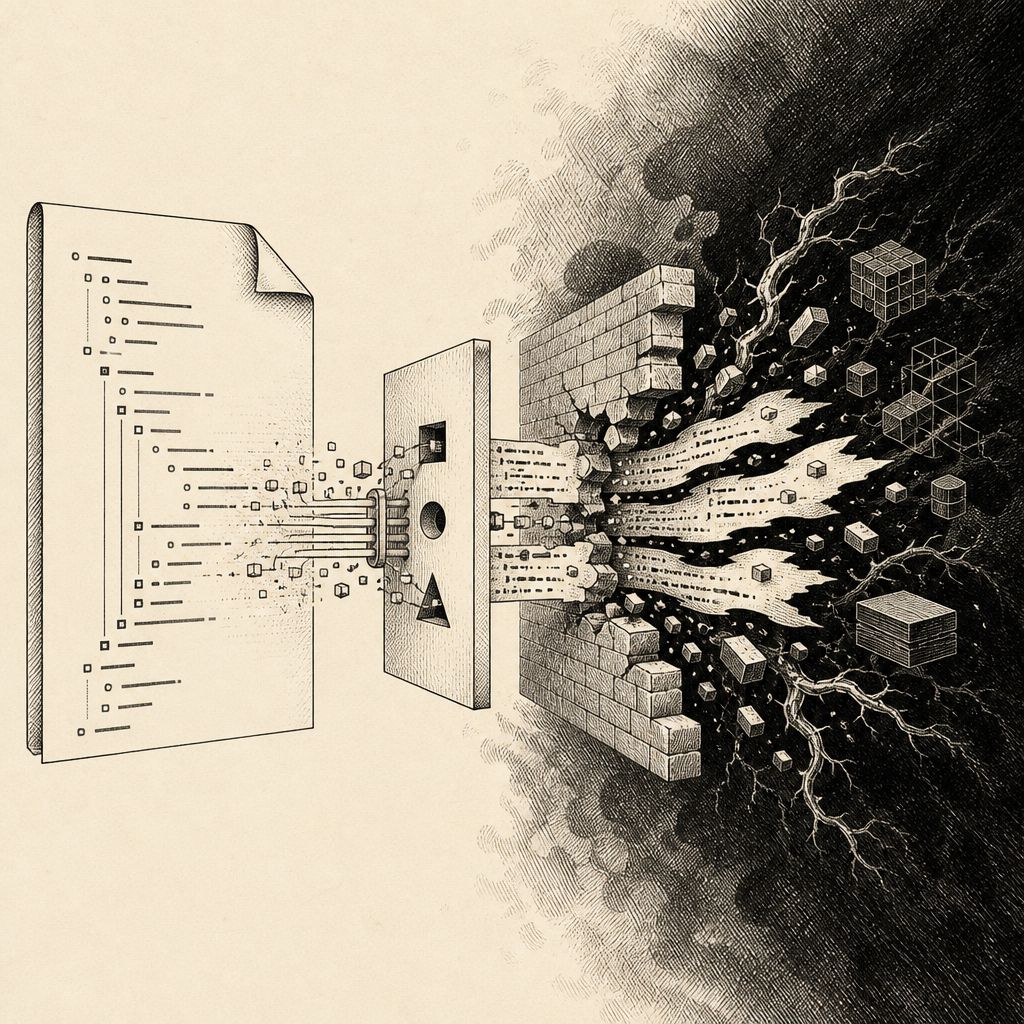
A newly disclosed vulnerability, tracked as ZDI-26-952, affects Meta's FAIRChem software, enabling remote attackers to execute arbitrary code on vulnerable systems. The flaw stems from improper validation within the software's YAML file parsing component, leading to a deserialization of untrusted data.
Exploitation of this vulnerability requires a degree of user interaction. Attackers can leverage this by tricking a user into opening a specially crafted malicious file or by directing them to a malicious webpage that triggers the vulnerable parsing mechanism. Once exploited, an attacker can achieve code execution within the context of the current process, potentially leading to broader system compromise.
The vulnerability carries a CVSS score of 7.8, indicating a high severity. The Zero Day Initiative (ZDI) reported the issue to Meta on March 4, 2026. Meta acknowledged the report and indicated an investigation was underway. Despite follow-ups from ZDI, the vendor did not provide a patch within a reasonable timeframe, leading ZDI to publish the advisory on November 11, 2026, classifying it as a zero-day.
While Meta FAIRChem is a specialized tool likely used in research and development environments, the nature of deserialization vulnerabilities means that successful exploitation could grant attackers significant access. The ability to execute code in the context of the current process can be a stepping stone to further lateral movement within a network or the exfiltration of sensitive data.
Given the lack of a specific patch or mitigation beyond restricting interaction with the product, users are advised to exercise extreme caution. This includes scrutinizing any files processed by FAIRChem and being wary of links or documents originating from untrusted sources. The disclosure timeline highlights a significant gap between initial reporting and public disclosure, underscoring the importance of prompt vendor response to security vulnerabilities.
This vulnerability adds to a growing list of deserialization flaws discovered across various software products. These types of vulnerabilities remain a persistent threat, as they often allow for powerful remote code execution capabilities when user interaction can be socially engineered. Organizations utilizing FAIRChem should monitor for any official guidance or patches from Meta.
The specific details of the exploit mechanism involve the way FAIRChem handles YAML data. When parsing untrusted YAML input, the software fails to adequately sanitize or validate the data before deserializing it. This process can allow malicious objects or commands embedded within the YAML structure to be interpreted and executed by the application.
As of the advisory's publication, no specific affected versions of FAIRChem were detailed, nor was a patch released. The primary recommendation from ZDI is to limit interaction with the product until a secure update is available. The anonymous researcher credited with discovering the flaw underscores the ongoing efforts by the security community to identify and report such critical weaknesses.
This advisory from Zero Day Initiative (ZDI-26-951) details a deserialization vulnerability within Meta's FAIRChem load_tasks utility. The vulnerability, which allows for arbitrary code execution with user interaction, was reported to the vendor on March 26, 2026, and is being publicly disclosed as a 0-day due to a lack of a patch. The CVSS score for this flaw is rated at 7.8.
The Zero Day Initiative (ZDI) advisory for this vulnerability, ZDI-26-949, details a deserialization flaw within Meta FAIRChem's load_model_and_weights_from_checkpoint function. This flaw, discovered by Mat Powell of TrendAI, allows for remote code execution in the context of the current process, requiring user interaction such as opening a malicious file or visiting a crafted webpage. The vulnerability has a CVSS score of 7.8 and was publicly disclosed on November 11, 2026, after the vendor acknowledged the report in March 2026.
This advisory from Zero Day Initiative (ZDI) details a remote code execution vulnerability in Meta FAIRChem's make_submission_file function, specifically related to the parsing of NPZ files. The vulnerability arises from improper validation of user-supplied data during deserialization, allowing attackers to execute arbitrary code in the context of the current process. While the previous report focused on a YAML deserialization flaw, this new advisory highlights a distinct issue within NPZ file handling, though both require user interaction for exploitation and carry a CVSS score of 7.8.
This advisory from Zero Day Initiative (ZDI) provides further technical details on the Meta FAIRChem vulnerability, specifically identifying the flaw within the convert_fine_tune_checkpoint function. It highlights that the vulnerability arises from the deserialization of untrusted data due to insufficient validation, allowing for remote code execution in the context of the current process. The disclosure timeline indicates that ZDI reported the vulnerability on March 26, 2026, and coordinated its public release for November 11, 2026, after the vendor acknowledged the report and subsequent follow-ups.
The Zero Day Initiative advisory ZDI-26-950 details a deserialization vulnerability in Meta's FAIRChem software, specifically within the parsing of checkpoint files. This flaw, discovered by Mat Powell of TrendAI, allows for remote code execution with user interaction, such as visiting a malicious page or opening a crafted file. The vulnerability has a CVSS score of 7.8 and was reported to Meta on March 26, 2026, with public disclosure on November 11, 2026.
This advisory from Zero Day Initiative (ZDI) details a deserialization vulnerability within Meta's FAIRChem utils load_inference_model component, assigned the identifier ZDI-26-953. The vulnerability, which allows for remote code execution with user interaction, was reported to Meta on March 26, 2026, and despite Meta's initial assessment that it had no security impact, ZDI proceeded with public disclosure on November 11, 2026.
This new advisory from Zero Day Initiative details a critical remote code execution vulnerability (ZDI-26-946) specifically within Meta's FAIRChem software, distinct from the previously reported YAML deserialization flaw. The vulnerability arises from improper validation during the parsing of NPZ files, leading to deserialization of untrusted data and allowing attackers to execute arbitrary code in the context of the current process. The disclosure timeline indicates the vulnerability was reported in late March 2026 and publicly disclosed in November 2026, with a CVSS score of 7.8.
This advisory from Zero Day Initiative (ZDI) details a previously undisclosed remote code execution vulnerability, ZDI-26-948, affecting Meta FAIRChem's MLIPPredictUnit component. The vulnerability stems from improper validation during the parsing of checkpoint files, allowing for deserialization of untrusted data. While the original advisory did not specify the exact component, this new information pinpoints the MLIPPredictUnit and clarifies the attack vector as the deserialization of untrusted data within checkpoint file parsing.