
Meta Agrees to $17 Billion Settlement Over Child Safety Concerns on Instagram and Facebook
Meta has reached a landmark $17 billion settlement with 51 state attorneys general to resolve allegations of designing addictive products for minors and violating child privacy laws.
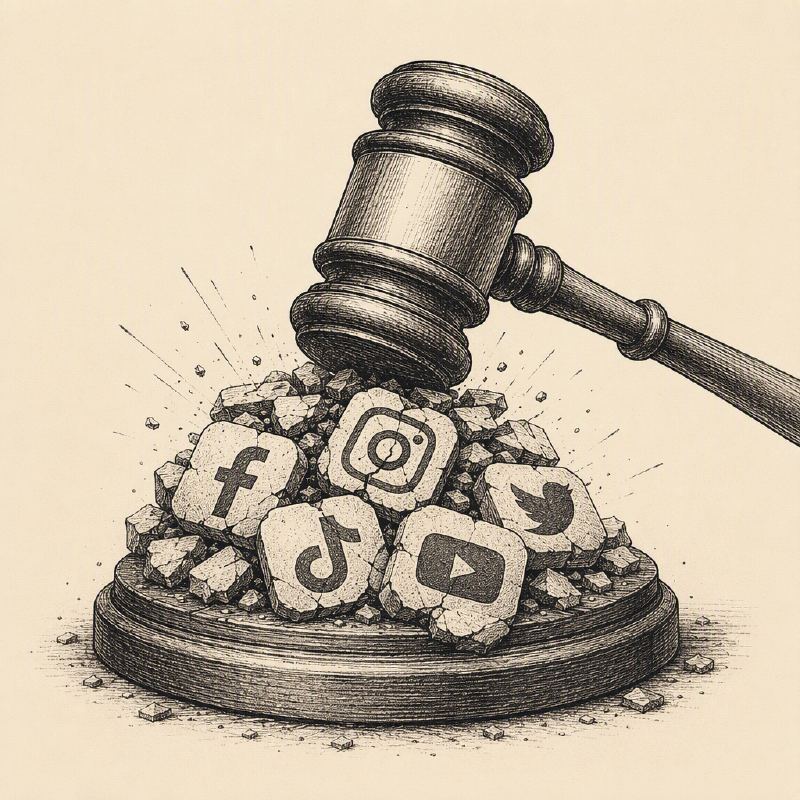
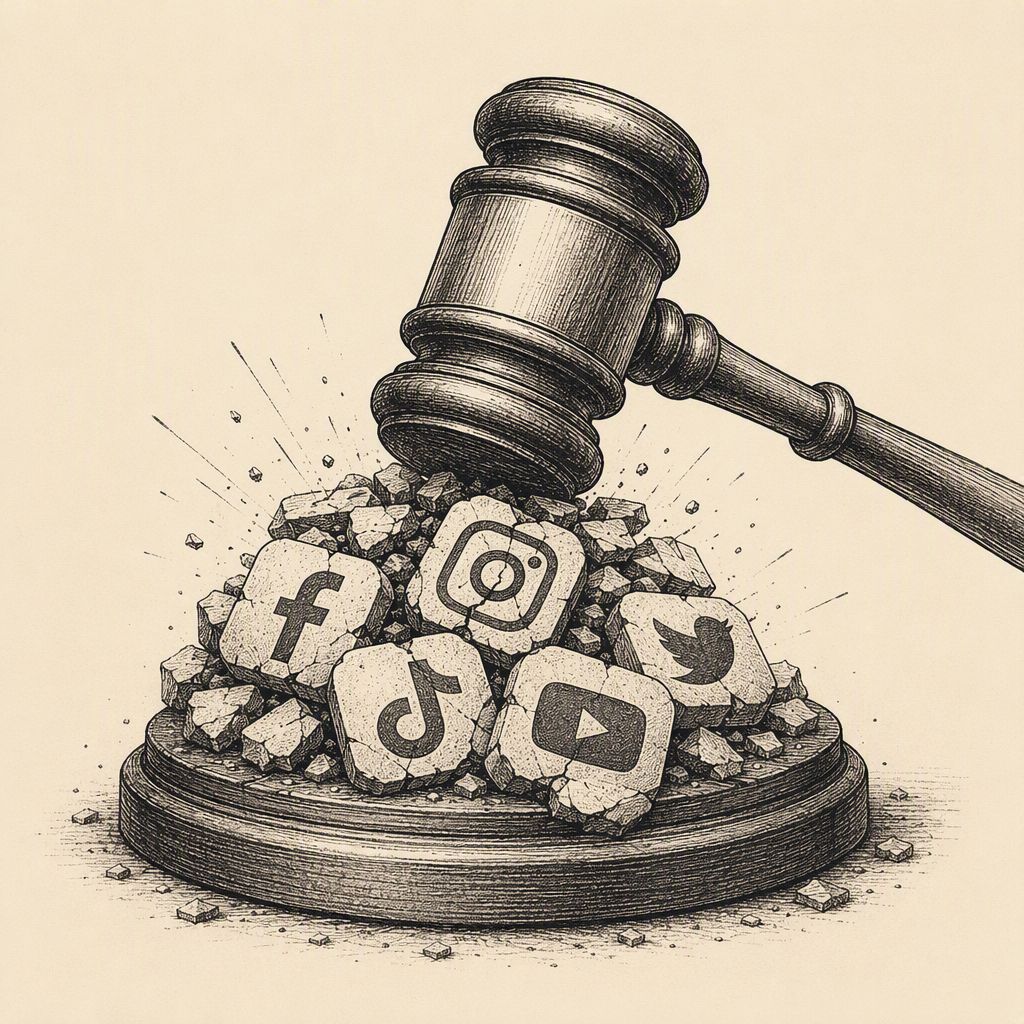
Meta has agreed to a sweeping $17 billion settlement with 51 state attorneys general, bringing an early end to a high-profile child safety trial. The agreement, announced Wednesday, aims to address allegations that the social media giant violated state laws by designing addictive products for young users without disclosing the risks, and infringed upon the federal Children's Online Privacy Protection Act (COPPA).
The settlement imposes significant new default restrictions on Meta's platforms, Instagram and Facebook. Users under 18 in participating U.S. states and territories will face a default two-hour daily time limit, which can only be lifted by a parent. Additionally, overnight restrictions will block access between midnight and 6:00 AM unless overridden by a parent. Most notifications will be silenced during overnight hours and school days, and features like 'likes' and reaction counts will be hidden by default for users under 18.
Further protections include a ban on filters that mimic cosmetic procedures, though standard makeup and fantasy effects remain permissible. Teens will also have the option to switch to a chronological feed, bypassing Meta's recommendation algorithm. The company must also commit to reviewing and responding to reports of potentially harmful content from teens within six hours for at least 90% of English and Spanish language reports, with an independent auditor overseeing compliance.
The substantial financial component of the settlement includes an initial payment of over $12 billion, to be paid in installments over the next decade. An additional $5 billion is contingent on rival platforms like Snap, YouTube, and TikTok implementing similar time limits, overnight restrictions, and age-assurance measures. Should these conditions be met, Meta would further reduce its daily time limit to one hour per platform and expand its overnight restrictions.
Evidence presented during the trial highlighted internal concerns within Meta, including a 2021 survey where 51% of teen Instagram users reported negative or harmful experiences. Former Meta safety engineer Arturo Béjar testified that the company operated a "don't ask, don't tell" approach to child safety, and that his findings were not acknowledged by leadership.
This settlement is part of a broader wave of legal challenges facing Meta and other social media companies regarding their impact on young users. Meta has previously settled cases with school districts and lost other bellwether trials concerning product addiction and mental health impacts. Approximately 3,000 addiction lawsuits and over 1,000 school district cases remain pending against Meta, Google, TikTok, and Snap.
The agreement represents a significant step towards regulating platform design for child safety, moving beyond parental responsibility alone. The American Academy of Pediatrics has advocated for tech companies and governments to prioritize healthy platform design, a principle this settlement appears to advance, albeit after considerable legal pressure.