
Medusa Ransomware Hits Over 500 Organizations, Azure Tenants Targeted
The Medusa ransomware group has impacted more than 500 organizations globally, with recent reports indicating a sophisticated campaign targeting Microsoft Azure tenants.
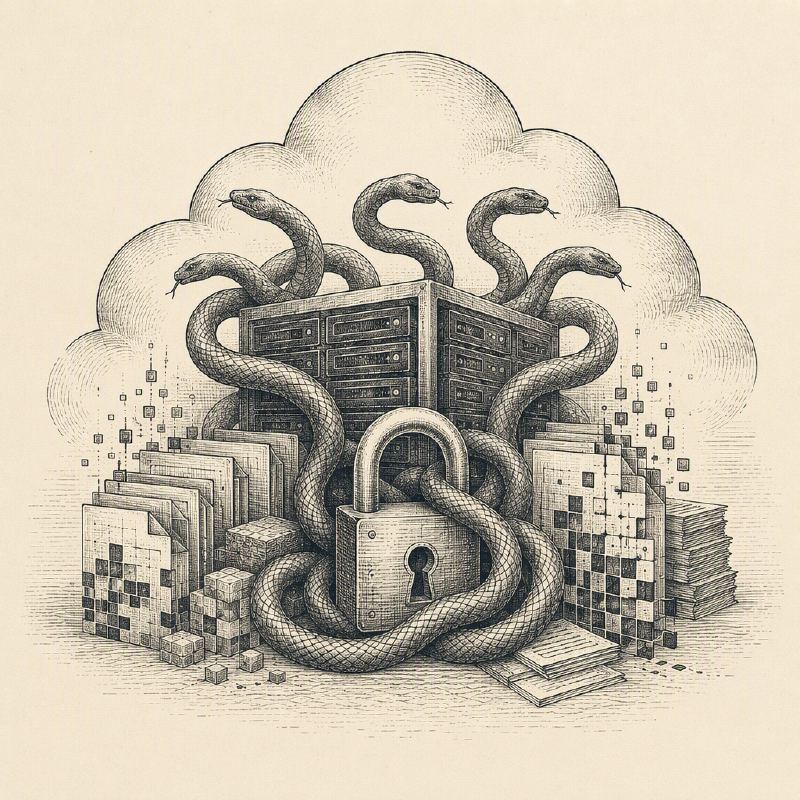
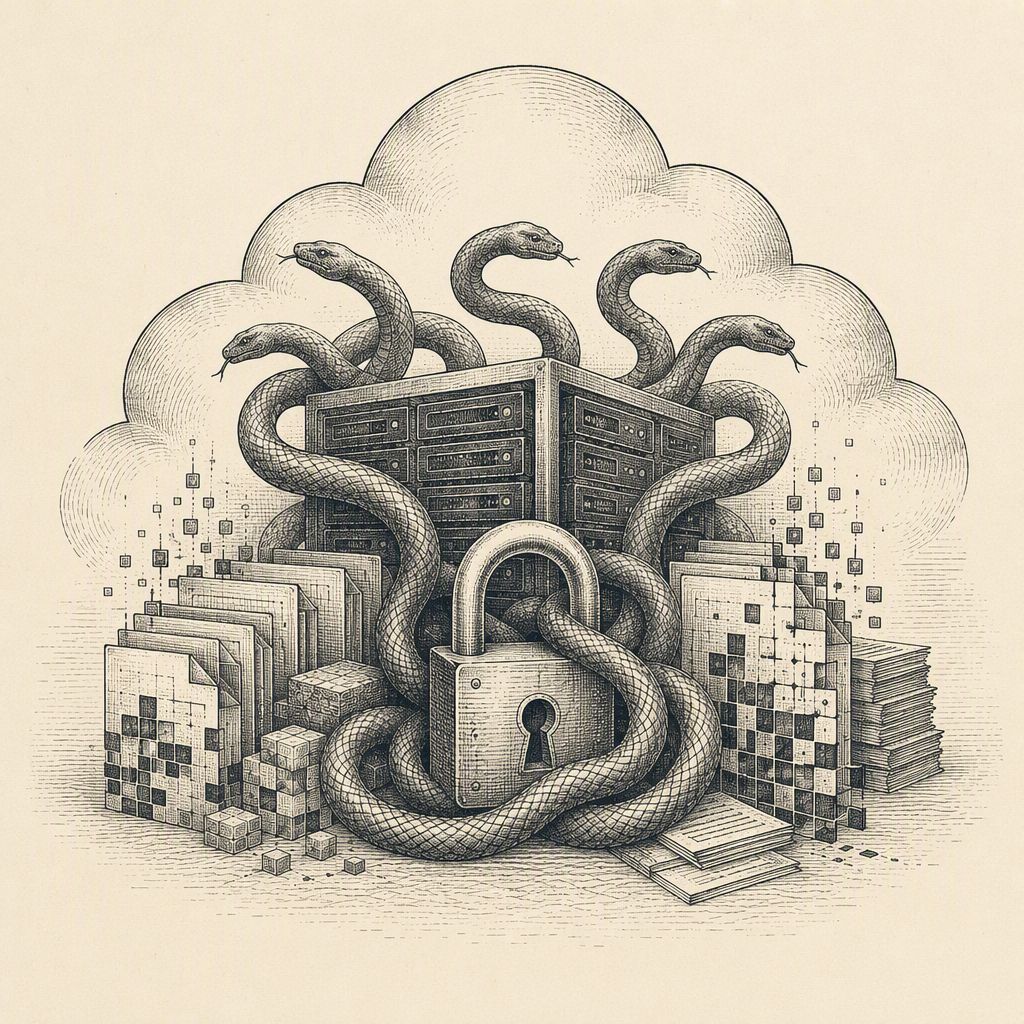
The notorious Medusa ransomware group has significantly expanded its reach, reportedly compromising over 500 organizations worldwide since its emergence in June 2021. This alarming figure was highlighted in an updated joint advisory from the FBI, CISA, and the Department of Health and Human Services (HHS), building upon previous warnings issued in March 2025.
Recent investigations, including those conducted by the FBI as late as April 2026, reveal that Medusa has evolved its tactics. The group has been observed leveraging access brokers to gain initial entry into victim networks and rapidly exploiting vulnerabilities to deploy their ransomware. This aggressive approach has contributed to the substantial increase in their victim count.
Adding to the threat landscape, a separate report indicates that threat actors are specifically targeting Microsoft Azure tenants. A threat actor known as "TheHatman" claims to have exfiltrated millions of employee records from the Azure environments of several prominent Fortune 500 companies, including McDonald's, Vodafone, Kyndryl, and Tata Consultancy Services (TCS). This suggests a growing trend of cloud-specific attacks aimed at harvesting sensitive corporate data.
While the exact methods used to breach these Azure tenants are not fully detailed, the implications are severe. Compromising cloud environments like Azure can lead to widespread data theft, disruption of services, and significant reputational damage for affected organizations. The scale of "TheHatman's" alleged theft, involving millions of records, underscores the critical need for robust cloud security measures.
The Medusa ransomware operations typically involve encrypting victim data and demanding a ransom for its decryption. The group has also been known to engage in double extortion, threatening to leak stolen data if the ransom is not paid. The continuous evolution of their methods, including the use of access brokers and rapid vulnerability exploitation, makes them a persistent and dangerous threat.
In response to the escalating threat posed by Medusa ransomware, CISA and its international partners have provided updated guidance. Organizations are urged to implement strong cybersecurity practices, including regular backups, robust access controls, and prompt patching of known vulnerabilities. The advisory also emphasizes the importance of network segmentation and security awareness training for employees to mitigate the risk of initial compromise.
The dual threats of widespread ransomware attacks by groups like Medusa and targeted attacks on cloud infrastructure highlight the dynamic and challenging nature of the current cybersecurity environment. Organizations must remain vigilant and proactive in their defense strategies to protect against these evolving threats.