
MCP Servers Emerge as New Attack Vector for AI-Driven Threats
Model Context Protocol (MCP) servers, designed to connect AI applications to external tools and data, are presenting significant security risks as attackers exploit vulnerabilities for data scraping and credential abuse.
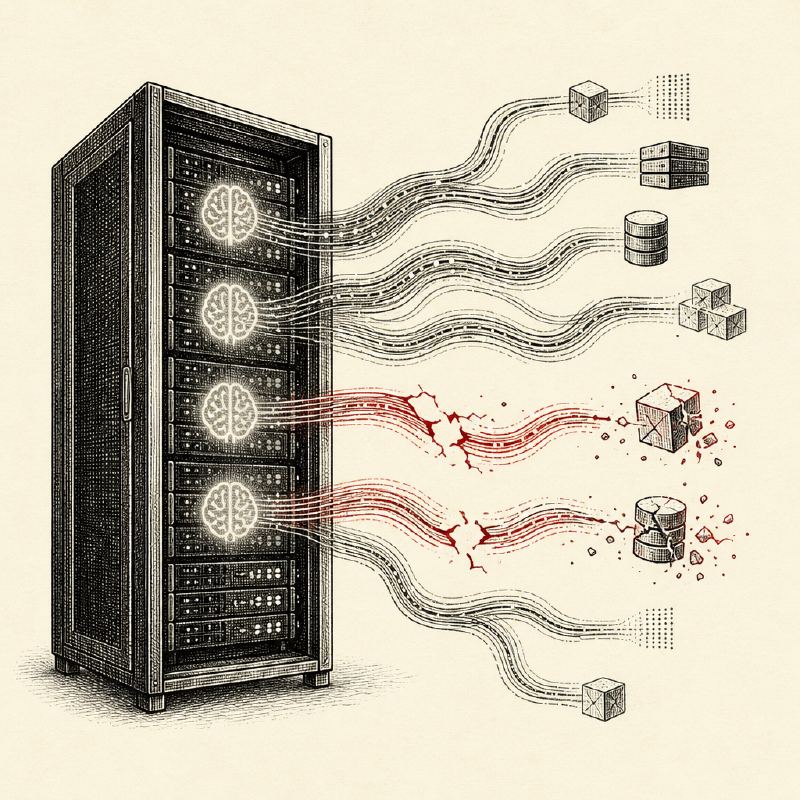
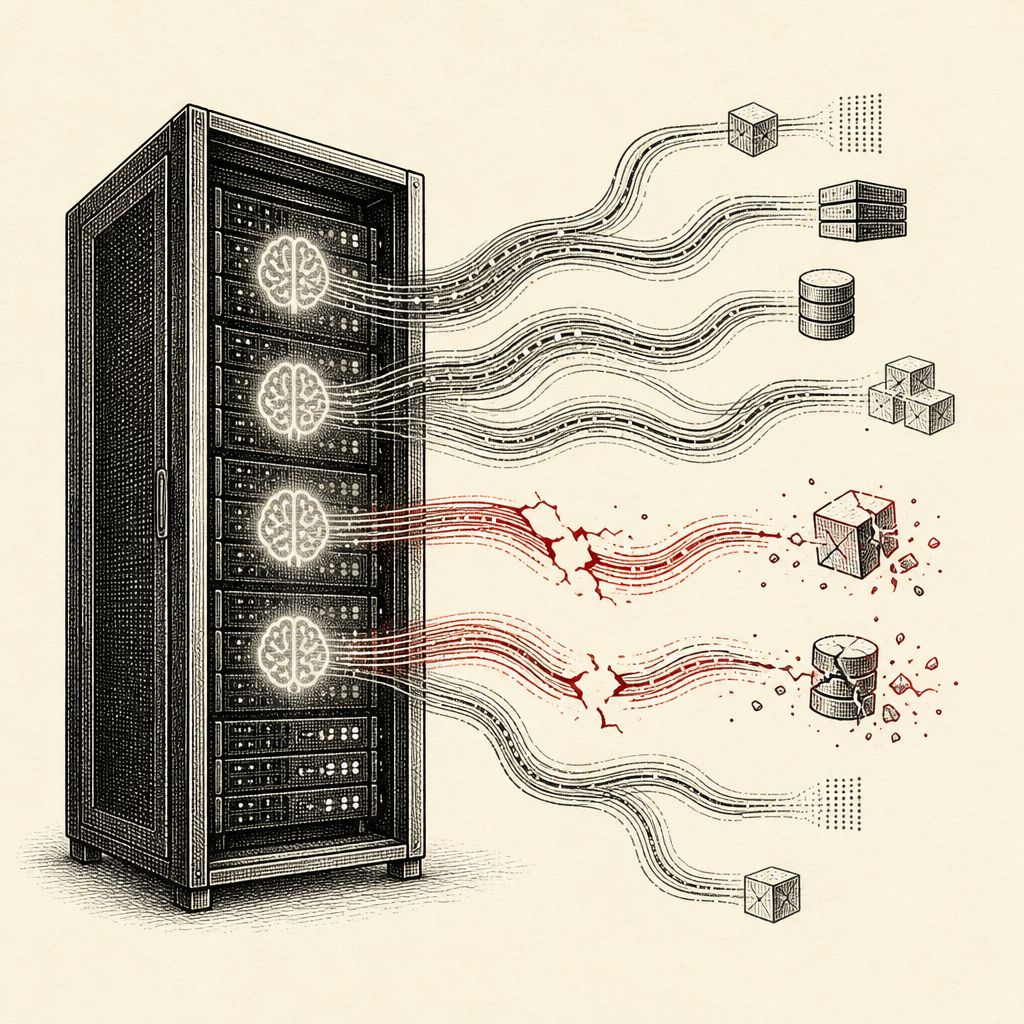
The integration of Artificial Intelligence into business operations has introduced a new class of security challenges, with Model Context Protocol (MCP) servers standing out as a critical concern. These servers act as intermediaries, enabling AI applications to interact with external tools, APIs, and sensitive business data through a standardized interface. While facilitating powerful automation, each MCP server deployment also represents an additional entry point for malicious actors. DataDome's recent report highlighted the widespread adoption of these servers, noting over 16,000 deployments across Fortune 500 companies, underscoring the growing attack surface.
Attackers are actively targeting MCP servers by scanning for vulnerabilities, attempting to compromise credentials, or systematically scraping data. The inherent nature of MCP servers, which expose available tools and their functionalities, can inadvertently reveal weaknesses. Researchers from Akamai have documented specific flaws in MCP implementations, including SQL injection, missing authentication, and unauthenticated data exposure. These vulnerabilities mirror traditional application security risks but are now amplified by the context of AI agent interactions, allowing for more sophisticated exploitation.
A significant threat vector involves credential stuffing and account abuse. MCP servers frequently connect to authenticated services, meaning compromised credentials or tokens can be leveraged to access sensitive information or perform unauthorized actions. DataDome's analysis revealed that AI agents generated over 605 million requests to high-risk endpoints, such as login pages and payment flows, in the first half of 2026. While not all these requests are malicious, they indicate a substantial volume of automated traffic directed at critical workflows, increasing the likelihood of successful credential compromise.
Beyond direct credential theft, abusive scraping and data extraction pose another major risk. Even AI agents with legitimate access can be manipulated to exfiltrate data at scale by repeatedly querying tools beyond their intended scope. For instance, an agent authorized to retrieve individual customer orders might be exploited to enumerate and download all customer records if proper usage policies and granular permissions are not enforced. This risk is compounded when multiple tools are exposed through a single MCP server without distinct access controls.
Traditional security measures like API keys and IP allowlisting are proving insufficient against these evolving threats. While these controls can restrict access, they fail to verify the trustworthiness or intended behavior of an AI agent. Stolen or shared credentials, along with the ability of attackers to impersonate legitimate agents, bypass these basic defenses. A DataDome benchmark found that over 70% of tested websites allowed spoofed AI agents to pass without challenge, highlighting the inadequacy of current authentication methods.
To effectively protect MCP servers, a multi-layered security approach is essential. This includes robust verification of agent identity using strong authentication mechanisms, such as OAuth-based authorization as specified by the MCP protocol. Beyond authentication, organizations must implement behavioral analysis to inspect request patterns, enforce granular permissions for individual tools, and maintain continuous monitoring of all agent activities. Relying on single security controls is no longer viable in the face of sophisticated AI-driven attacks.
The MCP specification itself provides a foundation for secure interaction through OAuth-based authorization, requiring validation of access tokens and ensuring they are intended for the specific MCP server. However, this is only one piece of the puzzle. Security teams must actively define and enforce what authenticated agents are permitted to do, moving beyond simple access control to intent-aware security. The ongoing evolution of AI necessitates a proactive and adaptive security posture to mitigate these emerging risks.