
Massive IoT Botnet Targets Water Systems; SharePoint RCE Chain Detailed
A new report reveals a 296,000-device IoT botnet targeting over 100 water systems, alongside a critical SharePoint RCE vulnerability chain.
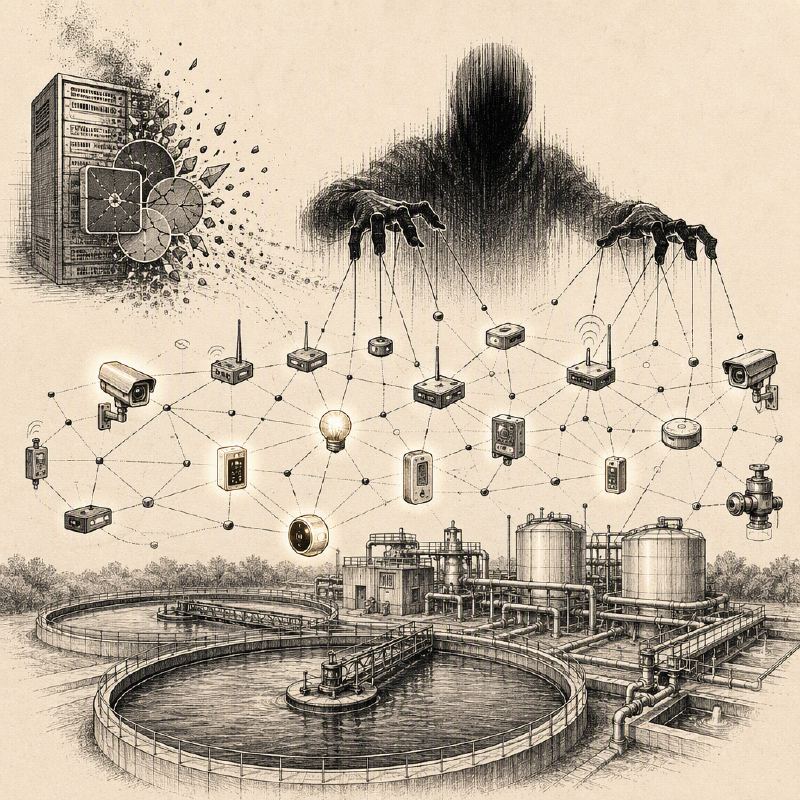
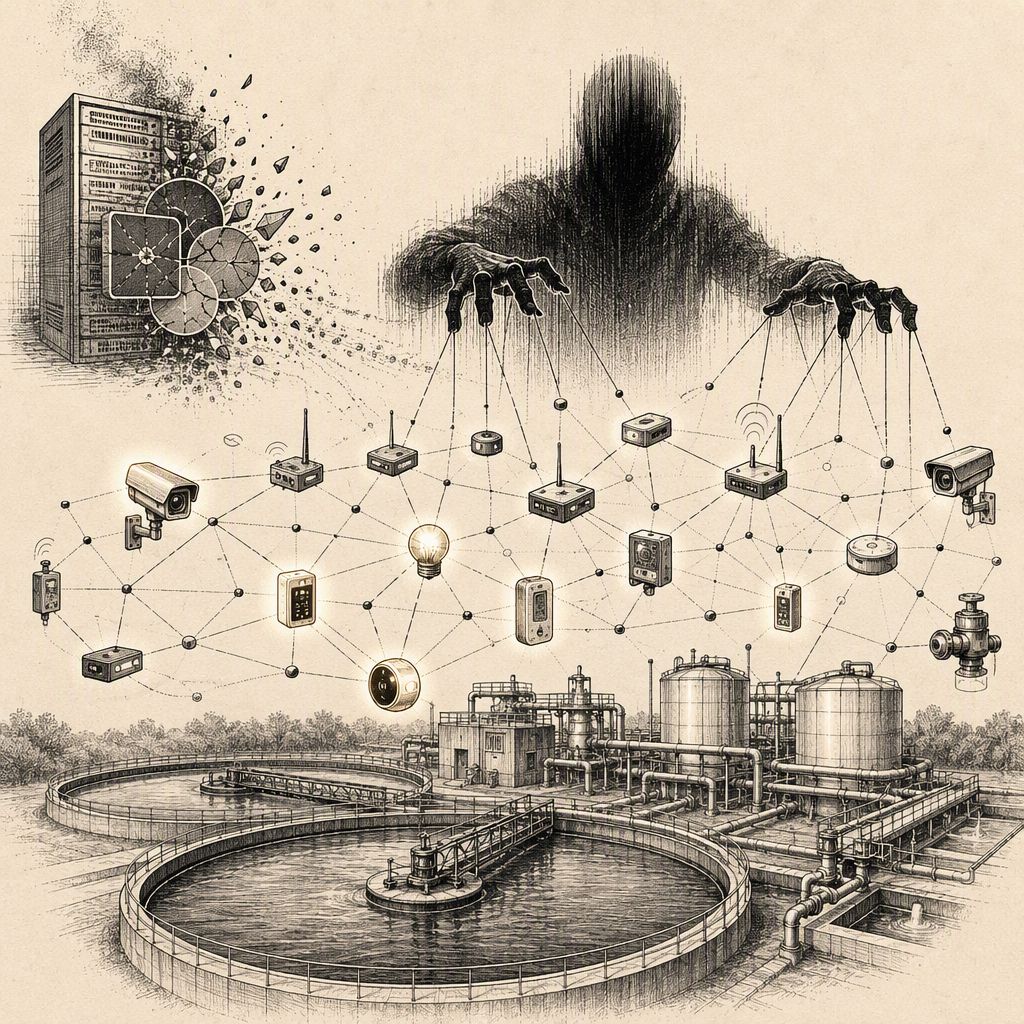
A significant cyber threat landscape is emerging, highlighted by a massive Internet of Things (IoT) botnet comprising nearly 300,000 devices that has been actively targeting over 100 water systems. This alarming development underscores the growing vulnerability of critical infrastructure to large-scale, coordinated attacks.
The report also details a critical Remote Code Execution (RCE) vulnerability chain affecting Microsoft SharePoint. This vulnerability chain could allow attackers to gain unauthorized access and execute malicious code on compromised servers, posing a severe risk to organizations relying on SharePoint for collaboration and data management.
Beyond these specific threats, the cybersecurity ecosystem is witnessing broader trends that are reshaping the threat landscape. These include the increasing sophistication of botnets, with some now borrowing capabilities from artificial intelligence (AI) to enhance their operations and evade detection. This integration of AI suggests a future where automated and adaptive attack vectors become more prevalent.
Furthermore, attackers are employing more advanced techniques to conceal their command and control (C2) traffic. This includes hiding malicious communications within seemingly legitimate public infrastructure, making it significantly harder for security teams to identify and block them. The ability to blend in with normal network activity allows malicious actors to maintain persistence and operate undetected for extended periods.
Another concerning tactic involves the use of delayed malicious payloads. Attackers are increasingly embedding malware that remains dormant until triggered by specific conditions or commands, complicating traditional signature-based detection methods. This 'living off the land' approach, combined with delayed execution, makes it challenging to pinpoint the initial compromise and the full extent of the attack.
The shrinking exploit window for vulnerable systems is also a critical concern. As new vulnerabilities are discovered and exploited more rapidly, organizations have less time to patch and mitigate risks. This acceleration in the attack lifecycle necessitates faster response times and more proactive security measures from defenders.
These evolving threats, from large-scale infrastructure targeting to sophisticated evasion techniques and accelerated attack timelines, paint a picture of a dynamic and increasingly challenging cybersecurity environment. Organizations must remain vigilant, adopt robust security practices, and stay informed about the latest threat intelligence to protect their critical assets.