
Manhattan DA Seizes 12 Deepfake Porn Sites, Targeting AI-Generated Exploitation
Manhattan District Attorney Alvin Bragg announced the takedown of 12 websites that facilitated the creation and distribution of AI-generated deepfake pornography, impacting over 1,200 individuals.
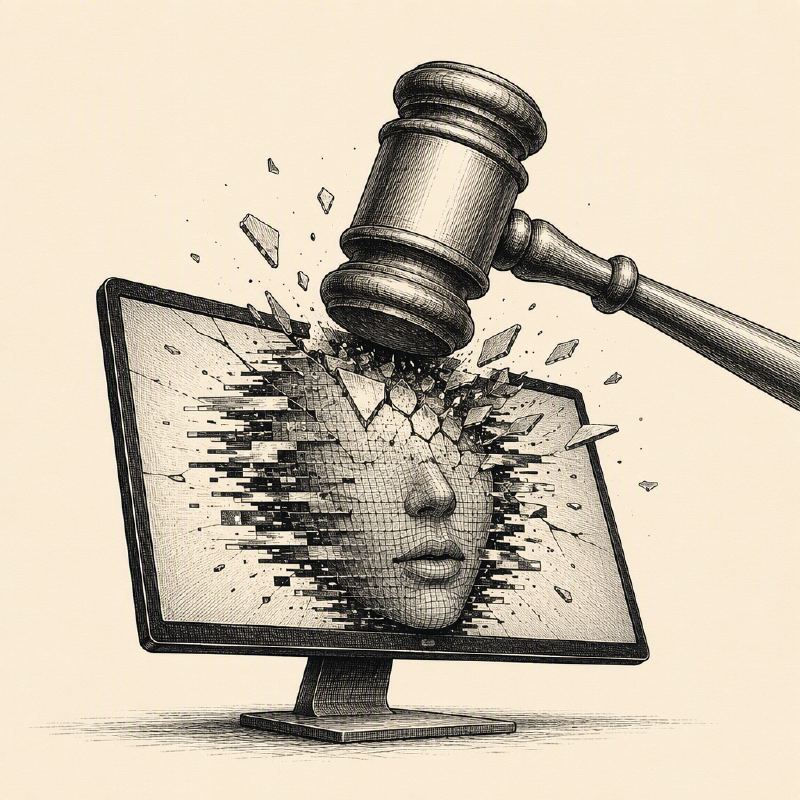
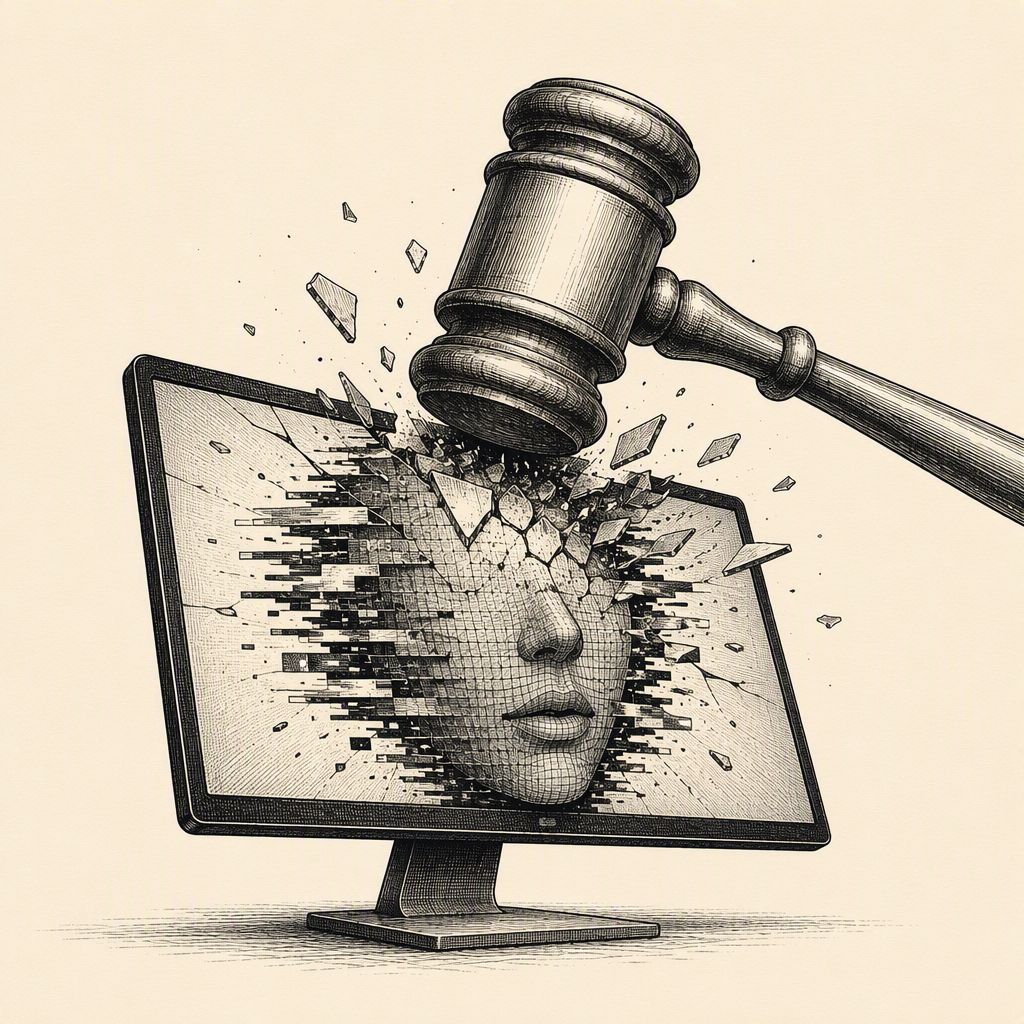
Manhattan District Attorney Alvin Bragg has announced a significant operation that resulted in the seizure of 12 domain names belonging to websites that hosted AI-generated deepfake pornography. These platforms enabled users to create non-consensual explicit content by uploading images and videos of individuals, effectively weaponizing artificial intelligence for sexual exploitation. The operation targeted the illegal creation and distribution of synthetic media, highlighting a growing concern at the intersection of AI technology and privacy violations.
During a press conference, Bragg detailed how these sites allowed users to leverage the likenesses of over 1,200 individuals, many of whom were celebrities, but also included victims of domestic disputes where partners threatened to release fabricated explicit material. He emphasized that the psychological toll on victims is immense, as these fabricated images can severely impact their careers and personal lives. The DA urged more victims to come forward, assuring them that legal avenues are available to address such violations.
The investigation is ongoing, and while Bragg declined to comment on potential arrests or charges, he confirmed that individuals under scrutiny used real photos and videos to generate hyper-realistic, non-consensual sexual content. "These horrific violations of privacy follow victims into their careers and personal lives and take an immense toll on emotional and mental wellbeing," Bragg stated. He reiterated a firm stance against sexual exploitation, vowing to prosecute businesses that profit from the dissemination of non-consensual sexual images, regardless of whether they are AI-generated or not.
The targeted websites explicitly marketed themselves as platforms for creating and sharing deepfake pornography. Bragg indicated that authorities would continue to monitor for any attempts to revive these platforms under new domains. This action by the Manhattan DA's office aligns with broader governmental and tech industry efforts to combat the proliferation of harmful AI-generated content.
Tech giants have also been proactive in addressing this issue. Microsoft, for instance, filed a lawsuit last year against developers who utilized its Azure OpenAI services to create non-consensual intimate imagery. Furthermore, the European Commission launched an inquiry into X (formerly Twitter) after its Grok AI tool was reportedly used to generate sexual images of a minor, underscoring the global nature of these challenges.
The takedown serves as a critical reminder of the evolving threats posed by AI technologies. While AI offers numerous benefits, its misuse in creating deepfakes for malicious purposes presents a serious challenge to personal privacy, security, and legal frameworks. The legal and ethical implications of synthetic media continue to be a focal point for law enforcement and cybersecurity professionals worldwide.
This operation by the Manhattan DA's office demonstrates a commitment to protecting individuals from the harms of AI-driven exploitation. By targeting the infrastructure that facilitates such abuse, authorities aim to deter future malicious actors and provide recourse for victims. The continued development of AI necessitates a parallel evolution in legal and technical countermeasures to ensure responsible innovation and user safety.